YOUR CAR IS STUCK AT A TOW YARD — HERE’S HOW TO GET IT OUT
The meter is running — but it’s capped. Texas limits storage lots to $22.85 a day for a standard car, they must accept cash, debit, or credit, and your personal belongings come out free, today, without paying a cent of the bill. Getting the car itself out takes three things: photo ID, proof it’s yours, and payment of the regulated charges — and once paid, it can go straight to the body shop you choose.
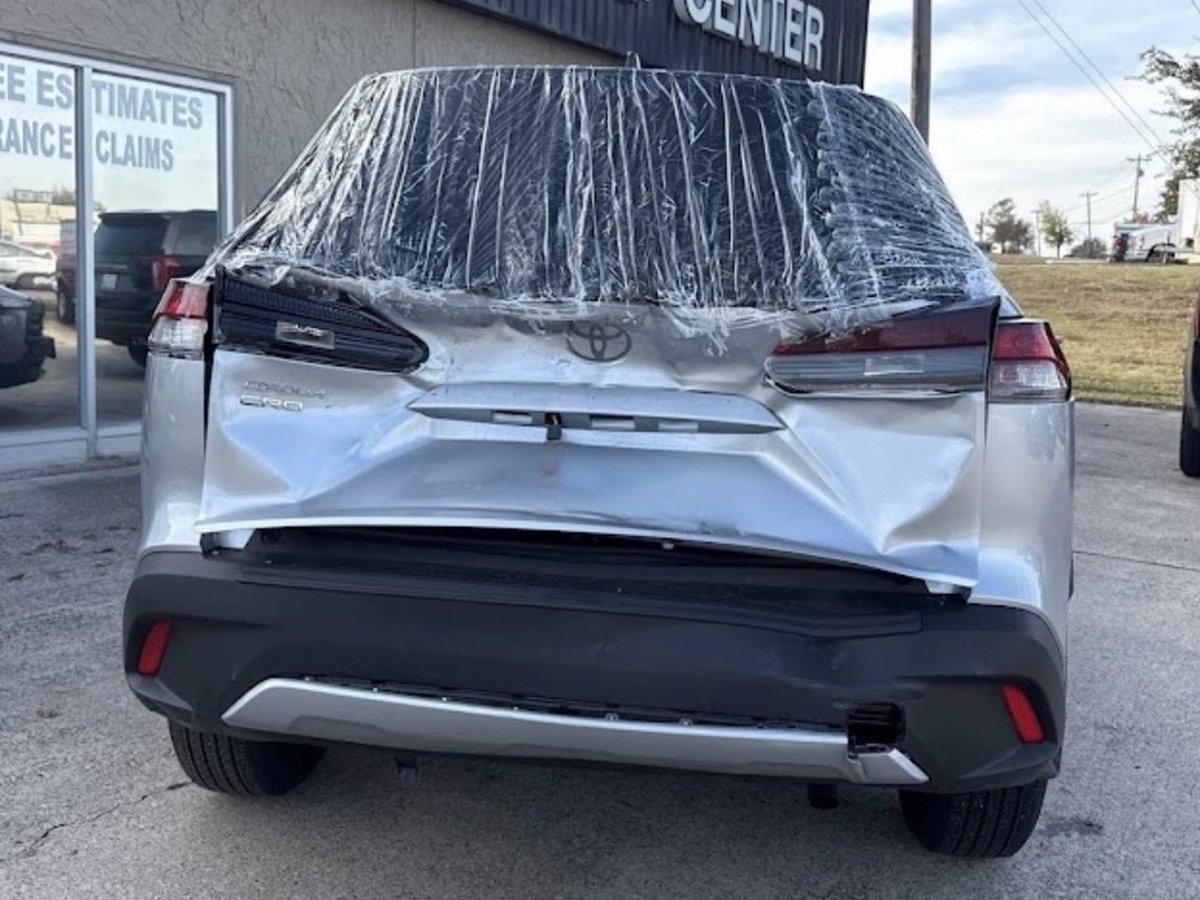
Move fast — the meter is real but capped: Texas limits storage to $22.85 a day for vehicles 25 feet or less, a $22.85 impound fee, and one $50 notification fee. Release takes photo ID, proof of ownership (your insurance card counts) and payment — and comprehensive and collision policies generally cover reasonable towing and storage. The play: name the shop, move the car once, stop the meter.
Texas caps what a licensed vehicle storage facility can charge: $22.85 per day for vehicles 25 feet or less ($39.99 above), a $22.85 impound fee, and a one-time $50 notification fee — per TDLR’s current adjustment, with daily fees accruing for any part of a day. To release the car, bring photo ID (a different address than the title is fine), proof of ownership — your insurance card counts — and payment; the lot must accept cash, debit, or credit by law. Your personal belongings come out free without paying anything. If the yard skipped its certified-mail notice duties, its daily fees freeze by statute; if the tow itself was wrongful, you can demand a Justice Court hearing within 14 business days and recover what you paid. After an accident, TDI says comprehensive and collision coverage pays reasonable towing and storage — and on a total loss, Texas law makes the insurer, not you, liable to the yard. Whatever happens: don’t let the car sit. Once charges are paid, it can be towed straight to the shop you choose — and the meter stops.
- The caps: $22.85/day standard car, $22.85 impound, $50 total notification — and no invented “environmental” or notary fees.
- The release trio: photo ID + proof it’s yours + payment — cards must be accepted, and proof of insurance can’t be demanded.
- Free no matter what: your belongings, glove-box document access, and shop/insurer estimate access at the lot.
- Every idle day costs money: get the car to your shop — we coordinate the yard-to-shop tow daily.
Know The Ceiling
THE METER IS RUNNING — BUT TEXAS CAPS IT
Those figures are TDLR’s current maximums under Occ. Code §2303.155 (the statute sets base amounts that TDLR adjusts for inflation in odd-numbered years — these are from the 2023 adjustment, so glance at TDLR’s fee page each January), and the statute explicitly overrides any city ordinance that says otherwise. Two protections hide in the notice rules and reward drivers who check the paperwork: the yard must send certified-mail notice to the registered owner within five days of receiving the car, storage can lawfully accrue for at most five days before that notice goes out, and if the notice went late, the daily fee doesn’t start until 24 hours after it was actually sent. A yard quoting you three weeks of storage on a car it never sent notice about is quoting a number the statute doesn’t support — ask for the notice date, in writing, before you pay.
What The Window Can Ask For
THE RELEASE CHECKLIST — THREE THINGS, NO MORE
Releasing the car takes exactly three things: valid photo ID — and the lot can’t refuse you just because the address on your license doesn’t match the title (Occ. Code §2303.160 says so specifically, a lifesaver for anyone who’s moved); proof you own or are entitled to the vehicle — title or registration is cleanest, but Texas law makes the lot accept your insurance card as evidence of ownership too, and notarized power-of-attorney works when you’re sending someone for a car that’s yours; and payment of the regulated charges. On payment, the law is bluntly on your side: the facility must accept cash, debit, and credit cards, must post a sign saying exactly that, and can’t hold your car over a card machine “problem” unless it’s a genuine outage that isn’t the operator’s fault (§2303.159). A cash-only storage lot is describing its preference, not the law.
Two more window facts worth carrying in: the lot is not allowed to demand proof of insurance as a release condition — TDLR says so directly — and hours are regulated too: a facility that accepts vehicles around the clock must release them around the clock, and limited-hours lots must produce your car within one hour during the state’s prescribed windows (8 a.m. to midnight Monday through Saturday, 8 to 5 Sunday). If a yard stalls past those lines, note names and times — that record feeds both a TDLR complaint and the hearing described two sections down.
CAR IN A YARD RIGHT NOW? LET’S STOP THE METER TODAY.
We coordinate the tow from the storage lot to our shop, write the estimate free — at the lot if needed — and bill whichever carrier is paying.
Free, Today, Regardless
YOUR BELONGINGS COME OUT WITHOUT PAYING A CENT
Whatever happens with the storage bill, your stuff is not hostage. TDLR’s guidance is word-for-word clear: “you may have access to your car to recover personal property. You do not have to pay a fee to do this.” That covers the car seat, the laptop, the work tools, the garage remote — walk in during business hours with your ID, take what’s yours, and get a receipt for what you removed (TDLR recommends the receipt; the only exception is a law-enforcement hold on the vehicle). The same free-access rule covers the glove box when your proof-of-ownership documents are locked inside the very car you’re trying to claim — the statute guarantees you access to interior storage areas to establish identity or ownership (§2303.158), which un-sticks the classic chicken-and-egg problem at the release window.
And one access right most drivers never hear about, straight from TDLR’s compliance guidance: during normal business hours the yard “must allow access for insurance and/or repair estimates — free of charge.” That means your adjuster can inspect at the lot, and so can we: when a car isn’t worth moving twice, we can write the estimate where it sits, so the repair decision — and the tow that follows it — happens once, in the right direction. It also means “you can’t see the car until you pay” is not a thing a Texas storage lot gets to say.
When The Tow Itself Was The Problem
WRONGFUL TOW OR PADDED BILL — YOU GET A HEARING
If your car was towed without cause — the classic apartment-lot or signage dispute — Texas gives you a real remedy with real teeth: a probable-cause hearing in Justice Court in the county of the tow (Occ. Code §2308.452). File the written request before the 14th day after the tow, not counting weekends and holidays — and if the tow company or yard never gave you the required notice of these rights, that deadline doesn’t apply at all. The court must hear you within 21 days, the filing fee is small (TDLR puts it at $20; counties vary), and the stakes cut only one way: if probable cause is missing, the towing company or lot pays or refunds the tow and storage; if you were overcharged against the capped rates, the court orders the excess reimbursed even if the tow itself was justified — and it can award court costs and attorney’s fees to the prevailing party.
Pay first, fight after — that’s the practical sequence, because storage accrues while you argue and the hearing can reimburse everything. Photograph the signage (or its absence), keep the tow ticket and the itemized bill — the yard must produce the ticket — and match every line against the caps in the table above. Yards that deal in padded bills fold quickly when the customer arrives quoting the statute; the hearing exists for the ones that don’t.
Route The Bill Correctly
WHO ACTUALLY PAYS THE TOW-AND-STORAGE BILL
After an accident, the storage bill has a proper home, and TDI’s guidance maps it: with collision and comprehensive coverage, your policy pays reasonable towing and storage; with liability-only, the bill is yours (one more entry for the honest ledger in our liability-only guide); and when the other driver caused the crash, TDI notes their carrier “might pay” those fees — in practice, towing and reasonable storage belong in your third-party demand alongside the repair and rental, the full list our not-at-fault guide walks through. And if the car turns out to be a total loss, Texas hands you a statute most drivers never hear about: the insurer that pays the total-loss claim is liable to the storage facility for the storage charges — including what accrued before it paid (Occ. Code §2303.156(b)). Don’t let a yard bill you for days that belong to the carrier.
The overriding strategy in every scenario: shorten the stay. Every deliberating day costs $22.85, “reasonable storage” has limits in every adjuster’s mind, and nothing about the claim requires the car to sit in a gravel lot while it’s decided. Once the charges are paid, nothing in Texas law restricts where the car goes next — a tow from the yard to the body shop of your choice is an ordinary tow, your shop choice is protected the moment insurance is involved (Ins. Code §1952.301), and the day the car lands at the shop, storage stops and repair starts. We coordinate exactly that hand-off daily: call with the yard’s name and your claim number, and we’ll handle the rest — including the loaner waiting when you get here.
The Playbook
GET IT OUT IN 5 STEPS
01. Locate the car and get the ticket
Call the yard, confirm the vehicle, and ask for the tow ticket and an itemized bill — both are yours to see. Note the notice date; the fee clock legally depends on it.
02. Audit the bill against the caps
$22.85 a day for a standard car, $22.85 impound, $50 total notification — and zero for “environmental,” notary, or property-access line items. Overcharges are recoverable, so document them.
03. Bring the release trio
Photo ID (address mismatch is fine), proof it’s yours (insurance card counts), and payment — cash, debit, or credit, their choice of machine problems notwithstanding.
04. Send it to the shop, not the driveway
A tow home just parks the problem. A tow to your chosen shop starts the estimate, the claim, and the loaner the same day whenever the fleet allows — and ends the storage math permanently.
05. Route the bill to its real payer
Comp/collision claims cover reasonable tow and storage per TDI; at-fault carriers get it in the demand; total-loss insurers owe the yard directly by statute. Keep every receipt.
From Our Shop Floor
WHERE THE TOW SHOULD END UP
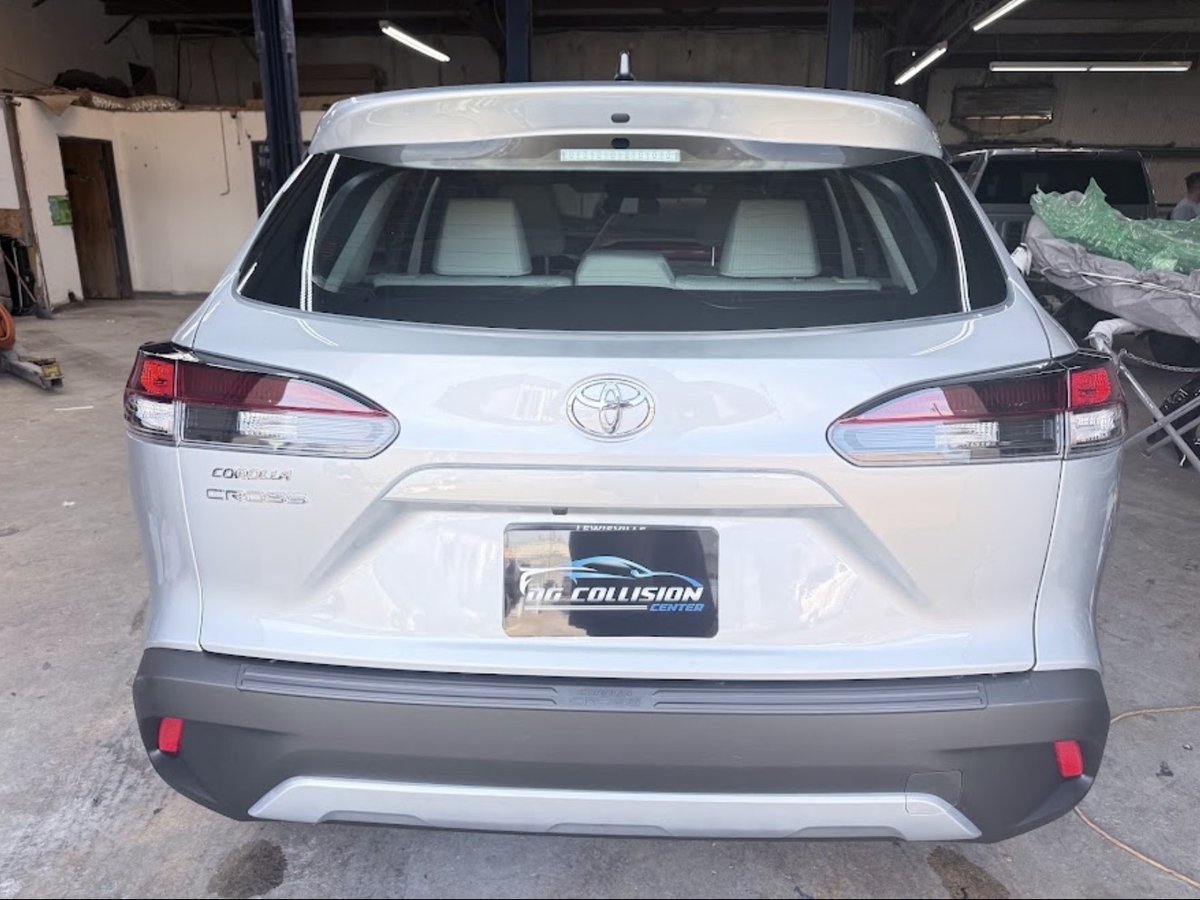
Drag the slider — a real front-end rebuild from our Lewisville floor, the tow-in class of hit that starts in a storage yard and should end here.
 Before
After
Before
After
Rear Impact — Towed In
Pictured: a customer’s Toyota Corolla Cross — crushed rear, glass wrapped, exactly the shape a car leaves a tow yard in
Tow-Yard Questions