MAZDA BODY SHOP LEWISVILLE, TX
Mazda3, CX-30, CX-5, CX-50, CX-70, CX-90, MX-5 — the brand judged by how light moves across it. Mazda sculpts its Kodo bodysides so a highlight flows down the panel like water, then engineered Soul Red Crystal — three layers, with light-absorbing flakes in the base — to exaggerate every curve. Beautiful, and merciless on careless repairs: a filler-heavy panel or a lazy blend breaks the light mid-flow, and everyone sees it. We repair to the light — curves blocked true, Takuminuri colors rebuilt layer by layer and proven on a card, i-Activsense recalibrated through our calibration specialists. Free loaner, written lifetime warranty, direct billing.
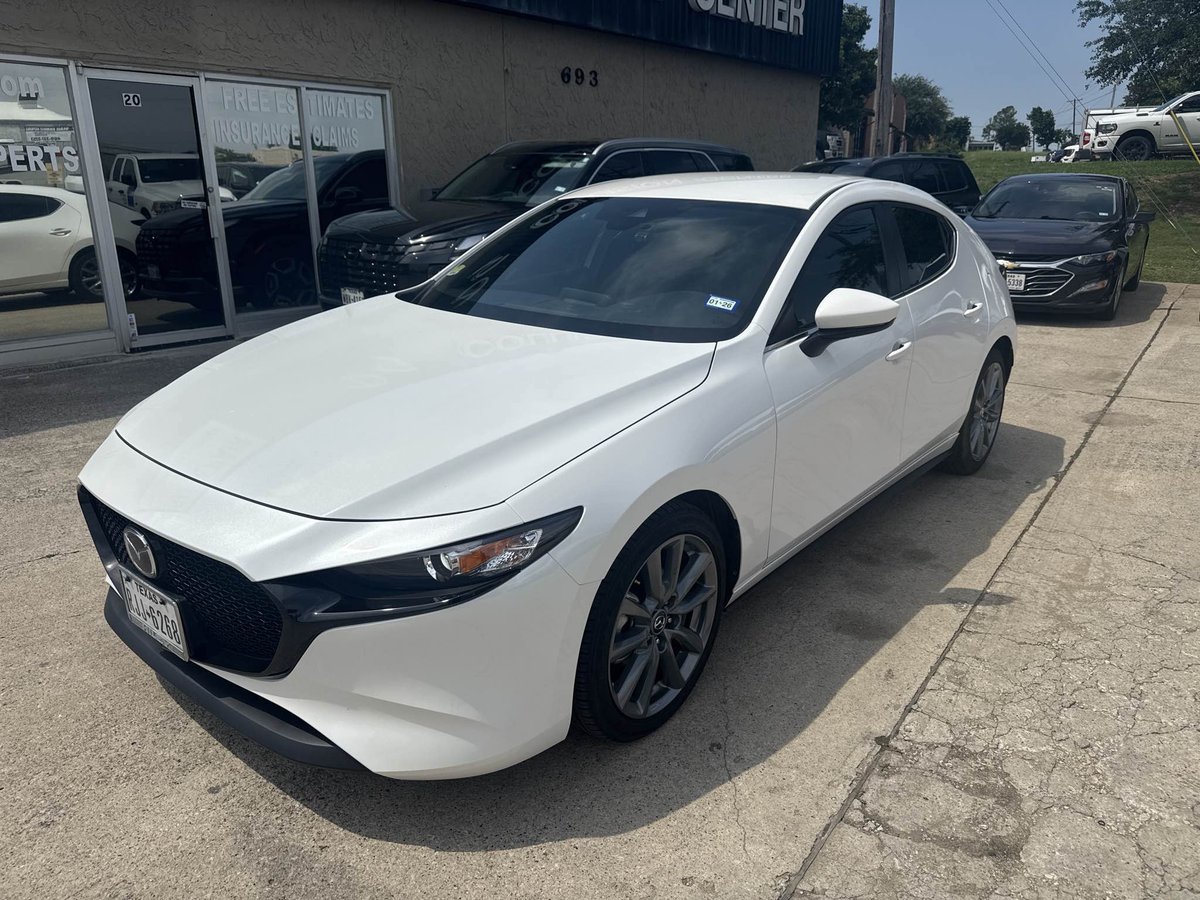
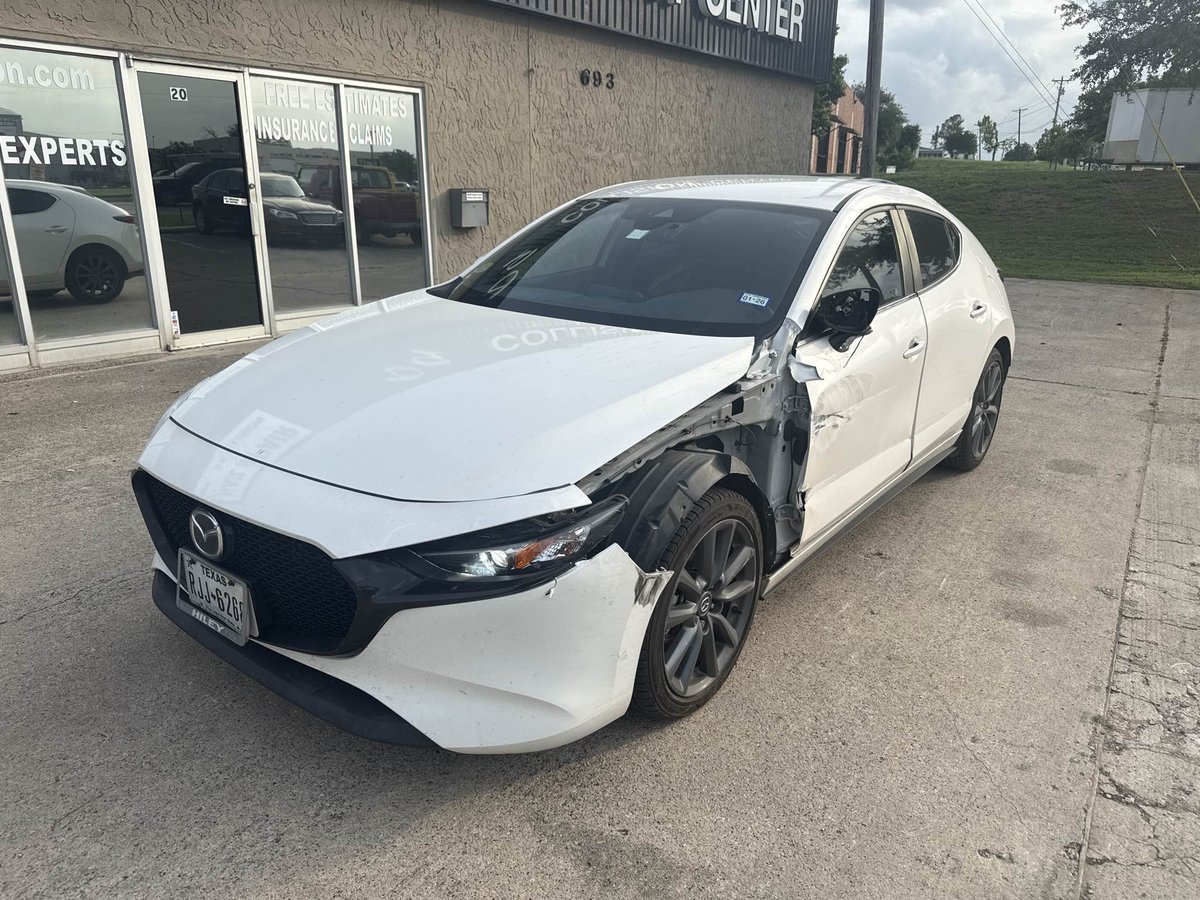 Before
After
Drag the line — a customer’s Mazda3, fender off to delivered at our Lewisville shop.
Before
After
Drag the line — a customer’s Mazda3, fender off to delivered at our Lewisville shop.
DG Collision Center repairs Mazdas to the standard the brand designed into them — the way light moves across the body. Kodo, Mazda’s design language, sculpts bodysides so a highlight travels the panel in one unbroken flow, and Mazda engineered its paint to amplify the effect: Soul Red Crystal — code 46V — is built in three layers: a base carrying both high-reflectivity aluminum flakes and light-absorbing flakes, a translucent high-chroma red over it, and clear on top, applied at the factory by Takuminuri, the “artisan coloring” process that taught robots the techniques of Mazda’s master painters; Machine Gray — 46G — is its tri-stage sibling. That engineering is exactly why a cheap repair betrays a Mazda instantly — the light-absorbing base read as gray primer to a careless shop, the translucent layer faked in one coat goes flat, and a filler wave breaks the highlight mid-panel — so we rebuild the Takuminuri colors layer by layer, prove the stack on a sprayout card, and block every Kodo curve until the reflection flows unbroken. The rest of the discipline follows the build: i-Activsense camera and radar hardware decoded from the actual car and recalibrated through our calibration specialists; the CX-90 and CX-70 plug-in hybrids handled with high-voltage protocol before structural work; the MX-5 — Guinness-recognized as the world’s best-selling two-seat roadster, more than 1.2 million built — treated as the enthusiast car it is. The before/after at the top of this page is a customer’s Mazda3 — fender off to delivered, photographed at our shop. And a fun piece of honesty: the Corolla Cross in the gallery below was built at Mazda Toyota Manufacturing in Huntsville, Alabama — the same plant that builds the Mazda CX-50 on the line next door. Genuine parts argued in writing under Texas Insurance Code §1952.301; free loaner, no day limit; direct billing — your out-of-pocket is typically your deductible, once.
- The light is the audit — Kodo bodysides are sculpted so highlights flow. A filler wave or lazy blend breaks the flow mid-panel, so every repaired curve gets blocked and read down its reflection before delivery.
- Soul Red Crystal is three layers, not one — 46V: aluminum flakes and light-absorbing flakes in the base, translucent high-chroma red, then clear. We rebuild the stack layer by layer and prove it on a card.
- Machine Gray plays by the same rules — 46G is a tri-stage finish. The Takuminuri colors are the reason “close enough” paint work fails on a Mazda.
- The build decides the sensors — i-Activsense hardware varies by year, model, and trim. We decode the actual car, then calibrate its cameras and radar in-house.
- The PHEVs get EV protocol — CX-90 and CX-70 plug-in hybrids carry high-voltage systems: disabled per factory procedure before structural work, verified before delivery.
- Genuine parts have legal backup — Texas Insurance Code §1952.301 bars insurers from dictating parts by brand, type, or condition. We make that argument for you, in writing.
The Brand Judged By How Light Moves
Watch a Mazda roll through a parking lot on a bright Texas afternoon and you can see the design philosophy working: a single highlight picks up at the front fender, swells across the door, and runs off the quarter panel in one continuous gesture. That’s Kodo — Mazda sculpts its bodysides the way a clay modeler would, specifically so light travels across them in motion — and it’s why the brand’s owners include so many people who chose a Mazda over something more expensive purely on how it looks going down the road. It’s also why this brand punishes careless bodywork more visibly than almost any mainstream badge. A repair that would pass on a slab-sided crossover fails on a Mazda in the first sunlight: filler sanded flat where the panel should crown breaks the highlight mid-flow, a blend edge parked in the middle of a sculpted surface reads as a smudge in the reflection, and the whole car looks subtly wrong to people who couldn’t tell you why. So we treat the light as the spec — every repaired Kodo panel gets blocked to its actual curvature, not to flat, and read down its reflection line in daylight before delivery.
Then there’s the paint, which is the other half of the same design decision. Soul Red Crystal — code 46V — is engineered in three layers: a base coat carrying both high-reflectivity aluminum flakes and light-absorbing flakes, a translucent high-chroma red layer over it, and clearcoat on top. The absorbing flakes deepen the shadows while the aluminum ignites the highlights — the color was literally built to exaggerate Kodo’s curves — and Mazda applies it with Takuminuri, the “artisan coloring” process that taught factory robots the techniques of the company’s master painters. Machine Gray — 46G — is the tri-stage sibling built on the same philosophy. For a body shop this is a straightforward test of honesty: that three-layer stack cannot be faked with one coat of bright red, and a shop that tries produces a flat, lifeless patch that mismatches at every angle — the single most common complaint Mazda owners bring us from other shops’ work. We rebuild the stack the way the factory built it: layers proven on a sprayout card against your actual panel, blend run wide across the curve, depth checked in direct light. Under the skin, the discipline is conventional and strict: structural hits go on the bench and get measured within a millimeter — a sculpted bodyside can’t carry its light over a structure that’s out — and the i-Activsense camera and milliwave-radar hardware your build actually carries gets decoded, then recalibrated through our calibration specialists and verified. The CX-90 and CX-70 plug-in hybrids add the high-voltage layer: disabled per factory procedure before structural work, re-verified before the keys come back.
The lineup has real personality spread through it — and one detail we can’t resist sharing. The MX-5 Miata is the best-selling two-seat roadster in history, Guinness-recognized, with more than 1.2 million built, and the ones that come through here are owned accordingly: inspected closely, documented thoroughly, driven on Sunday mornings. The CX-50 is built at Mazda Toyota Manufacturing in Huntsville, Alabama — a joint-venture plant running two lines side by side, the CX-50 on one and the Toyota Corolla Cross on the other. Which brings us to an honest note that’s more fun than usual: the rear-end rebuild pictured on this page is a customer’s Toyota Corolla Cross — not a Mazda, and we won’t pretend otherwise — but it was built in the same Alabama factory as the CX-50, one assembly line over. Same plant, same discipline here: on the Mazda version, the Takuminuri layer work and the light read ride on top.
The Lineup
EVERY MAZDA, AND ITS QUIRKS
Commuter hatches to three-row flagships to the world’s best-selling roadster — each with its own repair personality.
Mazda3
The compact that looks a class above its price — which is exactly why its owners notice a broken highlight. Tollway rear-enders and parking-lot door edges, repaired to the curve, calibrated after.
CX-30
The city-sized crossover with the most sculpted bodyside in its segment — tight parking, urban door swings, and cladding-to-paint transitions that have to be respected when the repair crosses them.
CX-5
The volume Mazda of DFW — school runs, office decks, 35E stop-and-go. Its classic claims are bumpers and liftgates, and its most common color is the one that demands the three-layer rebuild. We’re ready for both.
CX-50
The outdoor-leaning Mazda, built at Mazda Toyota Manufacturing in Huntsville, Alabama — one line over from the Toyota Corolla Cross. Roof-rail loads, trailhead scrapes, and cladding triage handled honestly.
CX-90 & CX-70
The new flagships — three rows or two, with plug-in hybrid versions that carry real high-voltage systems. HV protocol before structural work, big sculpted panels blocked true, family-schedule urgency met with a free loaner.
MX-5 Miata
The best-selling two-seat roadster in history — Guinness-recognized, 1.2 million-plus built — and every one owned by an enthusiast. Soft-top and RF roof mechanisms function-verified, panel gaps set to sports-car standards, documentation to match.
CX-9
The three-row that carried Mazda families for years before the CX-90 took over — thousands still on DFW roads, now out of warranty and squarely in body-shop years. Same Kodo standard, same documented repair, resale value protected.
The Takuminuri Colors
Soul Red Crystal and Machine Gray — factory finishes applied by robots taught the techniques of master painters. The repair has to honor the recipe: layer stacks rebuilt in order, proven on a card, never approximated in one coat.
The Kodo Bodyside
The S-curve surfaces where Mazda’s design lives — and where filler-heavy bodywork goes to be discovered. Metal finished to its actual crown, blocked to the curve, and read down the reflection line before the car goes home.
Mazda Paint, By The Layer
No mainstream brand puts more engineering into paint than Mazda — and no mainstream brand’s paint exposes a shortcut faster. The code names the color; the layer stack decides the repair.
Every finish gets the same spectrophotometer-and-sprayout discipline — read the actual panel, prove the mix on a card, blend into the adjacent panel so there’s no edge for the Texas sun to find. On the Takuminuri colors, the card carries the whole layer stack — because on a Mazda, the recipe is the repair.
The Mazda Repair, By The Book
Five steps, none optional — and on a Mazda, the last one happens in daylight:
1 — The Factory Procedures Come First
Every repair starts in the published factory collision procedures for your exact model and year — structural sections, sensor brackets, refinish specifications for the layered colors — and where the book says replace instead of repair, that’s what happens. On the plug-in hybrids the high-voltage protocol leads before any structural or welding work. Nobody improvises on a car this deliberately made.
2 — Blueprint The Actual Car
Full disassembly, every hidden finding photographed and itemized into one documented supplement — plus the Mazda-specific decode: which i-Activsense hardware the build carries, Takuminuri color or staple palette, turbo or PHEV parts differences. The supplement process pays for what’s found and documented — and the claim should price the car that’s actually here.
3 — The Finish Discipline
Metal finished to its actual crown and blocked to the curve, never to flat — then the paint honors the recipe: Soul Red Crystal’s three layers and Machine Gray’s tri-stage stack rebuilt in order, proven on a sprayout card against your panel, blended wide to natural break lines so the moving reflection never finds an edge. One-coat approximations are how Mazdas end up flat and wrong — not here.
4 — Genuine Parts, Argued In Writing
On structural, safety, and sensor-bearing components we push genuine Mazda parts and put the argument to the adjuster in writing — a sculpted panel stamped to Kodo’s curvature is not interchangeable with an approximation of it. Texas Insurance Code §1952.301 bars insurers from limiting coverage by the brand, type, kind, age, vendor, supplier, or condition of parts — that fight is ours to have, not yours.
5 — Calibration, And The Light Read
Pre- and post-repair scans on every job; the i-Activsense cameras and radar your build carries recalibrated in-house and verified; then the step this brand was designed for: the car goes into daylight and every repaired panel gets read down its reflection line — the highlight has to pick up, travel, and release exactly the way the designers sculpted it to. If the light doesn’t flow, the repair isn’t done.
Real Results
THE REAR-END REBUILD, TAILGATE TO QUARTER
Drag the slider. A customer’s rear-end rebuild — tailgate, rear panel, and quarter — billed direct and returned to spec. It’s a Toyota Corolla Cross, not a Mazda — though in a nice twist, it was built at the same Huntsville, Alabama plant as the CX-50, one line over. The discipline is identical; on the Mazda version, the layer work and the light read ride on top.
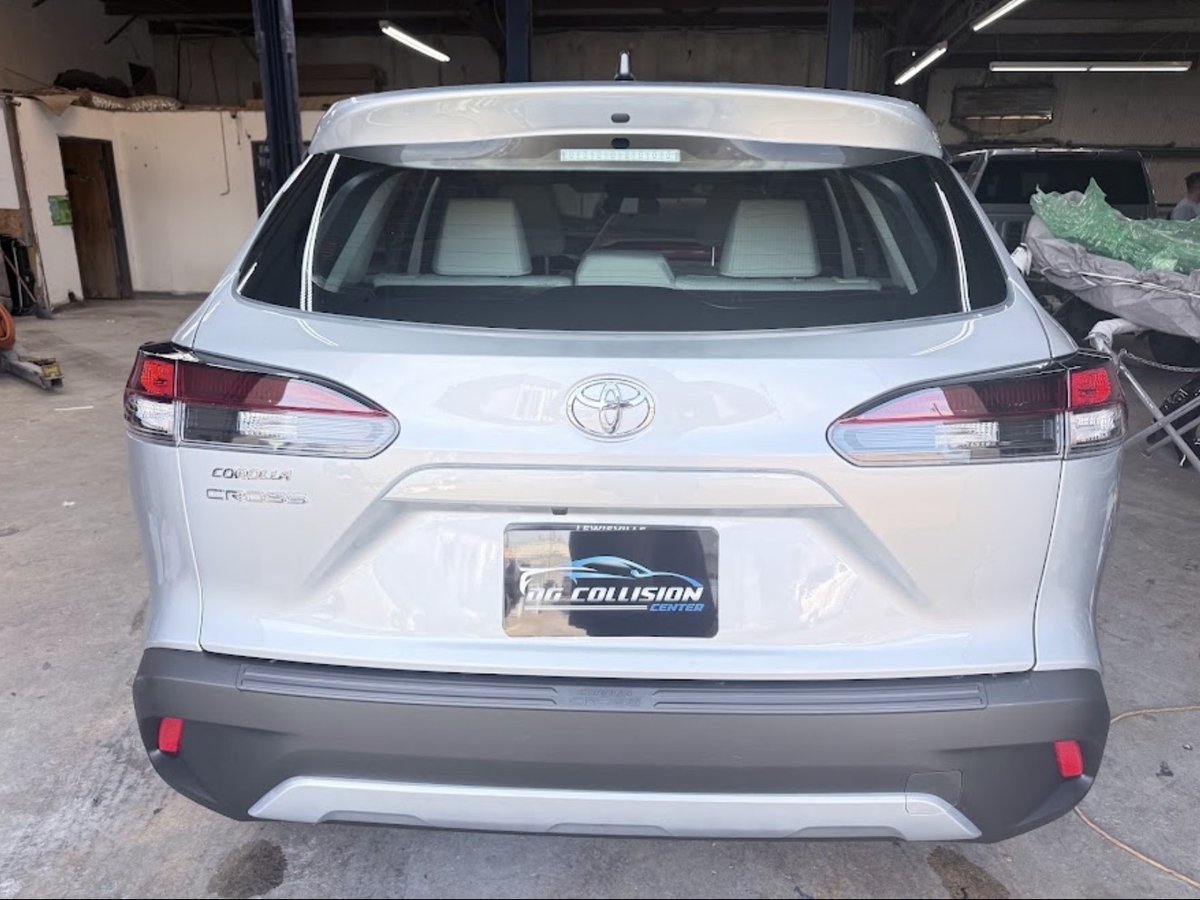
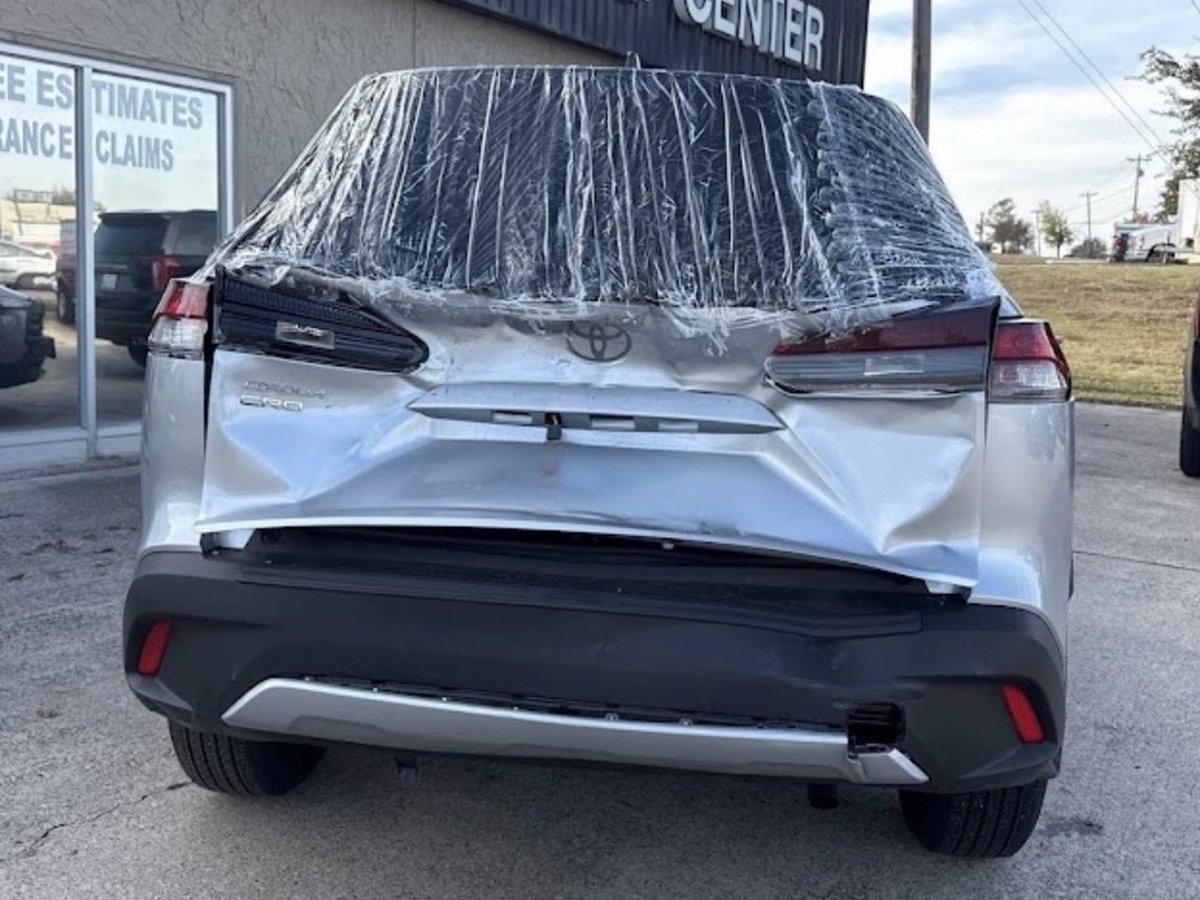 Before
After
Before
After
Rear-End Rebuild — Tailgate To Quarter
Pictured: Toyota Corolla Cross, built beside the CX-50 in Huntsville — the same rear-end discipline we run on Mazdas, with the layer work and light read added
Mazda Hit? Hailed On? Send Photos.
Text a few photos with your year, model, and color — Soul Red Crystal and Machine Gray change the refinish plan, and i-Activsense hardware changes the calibration list. We’ll answer with a realistic range, usually within minutes during shop hours.
Common Questions
MAZDA REPAIR FAQ
Free · No Obligation
START YOUR MAZDA REPAIR
Tell us which Mazda you drive — year, model, and color; Soul Red Crystal and Machine Gray change the refinish plan, and trim changes the sensor list — and what happened. We’ll call back with the real number and next steps.
Prefer to talk now? Call (972) 219-0864 · or text us photos
Mazda, Mazda3, CX-30, CX-5, CX-50, CX-70, CX-90, MX-5, Miata, Kodo, Takuminuri, Soul Red Crystal, Machine Gray, and i-Activsense are trademarks of Mazda Motor Corporation or Mazda Motor of America, Inc. DG Collision Center is an independent repair facility and is not affiliated with, sponsored by, or endorsed by Mazda Motor Corporation, Mazda North American Operations, or their dealers. References are for factual identification only.