DEALERSHIP BODY SHOP OR INDEPENDENT — WHERE SHOULD YOU TAKE IT?
Honest answer: the sign out front doesn’t repair cars — certifications, procedures, and the people do. There are excellent dealership body shops and excellent independents, and mediocre versions of both. The credentials that actually predict a safe repair — I-CAR Gold Class, OEM repair procedures, documented calibration — are available to any shop willing to earn them.
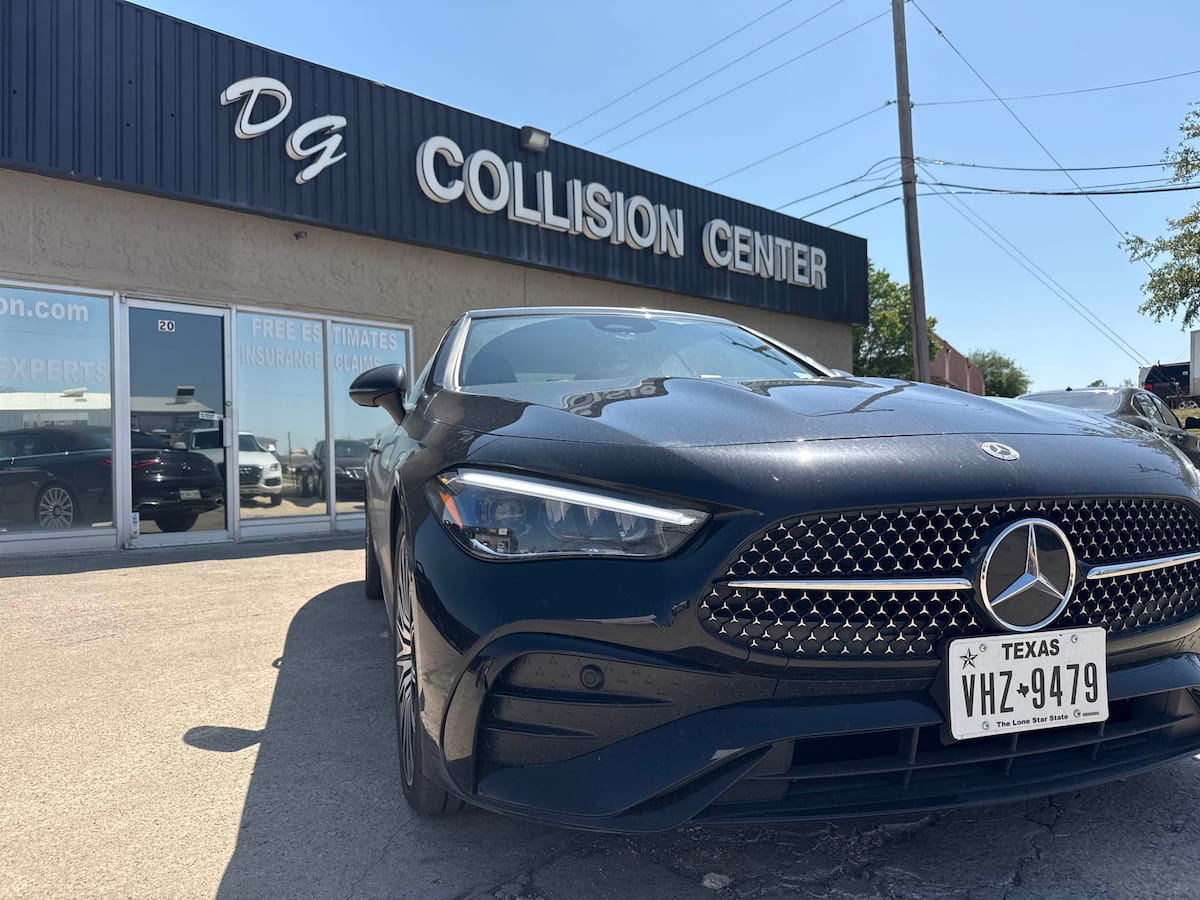
Neither wins by default — judge the shop, not the sign. Ask the dealership whether its body shop is actually in-house or sublet to an outside facility, and which collision certifications the shop itself holds — a sales franchise isn’t a repair credential. Ask the independent the same questions. Certifications, teardown practice, warranty terms and documentation decide repairs; logos don’t.
Neither business model wins by default — judge the shop, not the sign. A dealership body shop offers brand familiarity and a factory parts pipeline; the first question to ask is whether the body shop is actually in-house or sublet to an outside facility, and which collision certifications the shop itself holds — a dealership’s sales franchise isn’t a repair credential. An independent lives or dies on reputation, which is why serious ones carry the same or better credentials: I-CAR Gold Class (held by roughly 10% of U.S. shops), technician-level certifications, and OEM repair procedures pulled for every job. Texas law makes the venue entirely your call — insurers can’t steer you (Ins. Code §1952.301), and a collision repair doesn’t change your factory warranty on the rest of the car; the warranty on the repair itself comes from whichever shop does it. Compare written line-item estimates, certifications, and warranties — the better shop is the one that answers questions happily.
- Judge by credentials, not signage: I-CAR Gold, OEM procedures, and documented calibration exist at both kinds of shops — and are missing at both kinds too.
- Ask the dealership one question first: is collision work done in-house, or sublet to an outside shop wearing your dealer’s name?
- The choice is legally yours: neither your insurer nor anyone else picks the shop — Tex. Ins. Code §1952.301.
- Warranties differ: the factory warranty stays with the car; the repair’s warranty comes from the shop — get it in writing, wherever you go.
Reframe It First
THE SIGN DOESN’T REPAIR THE CAR — THE PROCEDURES DO
The dealership-versus-independent debate usually starts from a false premise: that the business model predicts the repair. It doesn’t. What predicts a repair is whether the shop pulls the manufacturer’s repair procedures for your exact vehicle and follows them — where the welds go, which panels can be sectioned, what must be replaced rather than straightened, what gets calibrated afterward. Texas courts have seen what happens when a shop substitutes its own judgment for the book: in a widely reported 2017 Dallas case, a jury returned a $31.5 million verdict after a shop glued a hail-damaged roof panel where the manufacturer’s manual specified more than a hundred spot welds — and the couple in the car paid the price in a later crash. That case wasn’t about a dealership or an independent. It was about a shop that didn’t follow procedures.
So the real question isn’t “which sign?” — it’s “which shop can show me its credentials and its process?” The industry’s baseline answer is I-CAR Gold Class — a shop-wide training standard held by roughly 10% of U.S. collision shops — plus technician-level certification, refinish-brand certification, and, on modern vehicles, a real answer for ADAS calibration. Every one of those is available to dealership shops and independents alike. Both sections below argue each side’s honest strengths — and both end at the same place: the checklist. (If you want the full ten-question version of that checklist, it has its own guide.)
Steelman One
THE HONEST CASE FOR THE DEALERSHIP SHOP
A true in-house dealership body shop has real advantages: a direct pipeline to factory parts, daily familiarity with one brand’s construction, and — at some dealers — participation in the manufacturer’s certified-collision program, which audits tools, training, and facilities against the automaker’s standard. If you drive that brand and the dealer’s program is legitimate, that’s a credible choice, and we’d rather say so plainly than pretend otherwise.
The questions to ask before assuming you’re getting any of that: First — is the body shop actually in-house? Plenty of dealerships run true collision centers; plenty of others sublet body work to outside shops entirely, with the dealer’s name on the invoice and someone else’s hands on the car. The answer changes everything about who you’re really evaluating, so make it your opening question. Second — what does the body shop itself hold? A sales franchise is not a collision credential; ask about I-CAR Gold Class, technician certifications, and calibration capability the same way you’d grill an independent. Third — who’s accountable? At a large dealer group the body shop is one department among many; know whose name is on your repair and who takes the call if something needs to be made right in year three. Good dealership shops have crisp answers to all three. The ones that don’t just answered a different question for you.
COMPARING SHOPS? COMPARE WRITTEN ESTIMATES.
Ours is free, line-item, and from published tables — bring the other shop’s sheet and we’ll walk you through both, no pressure.
Steelman Two
THE HONEST CASE FOR THE INDEPENDENT
An independent shop has exactly one asset: its reputation. No brand umbrella absorbs a bad repair, no service department cross-subsidizes a slow month — which is why serious independents tend to over-invest in precisely the credentials that matter. Using ourselves as the example we know best: I-CAR Gold Class shop-wide, I-CAR Platinum technicians, PPG and Sherwin-Williams refinish certification, OEM repair procedures pulled per job, and calibration handled through our calibration specialists — on a business that’s repaired DFW collisions since 1978 with the owner on the floor. None of that is unique to us as a category; it’s what the top tier of independents looks like, and it’s verifiable in an afternoon.
Where the model itself helps you: accountability is a person, not a department — the name on the building answers for the repair, this year and in five. Multi-brand depth — an independent that runs Toyotas, F-150 aluminum, and Teslas through the same bays maintains procedures across makes rather than one. Price transparency travels further — our cost tables are published on this site and the same numbers apply whether an insurer or a person is paying. And insurance flexibility cuts both ways: an independent that works with every carrier — but answers to none of them — sits on your side of the estimate by structure, not by favor. Texas law backs that seating arrangement: the shop choice is the policyholder’s alone (Ins. Code §1952.301), and if an adjuster leans on you about it, our shop-choice guide decodes the script line by line.
Same Questions, Either Door
THE DECISION TABLE — ASK BOTH SHOPS THESE
Score both shops against that table and the decision usually makes itself — and notice that nothing in it asks about the sign. One comparison tip that saves people real money: when quotes differ, compare them line by line, never total against total — a lower number is often a shorter list, not a better price. Our estimate-reading guide shows exactly how.
The Playbook
DECIDE IN 5 STEPS
01. Shortlist by certification, not proximity
Start from I-CAR Gold Class and technician credentials — verifiable through the certifying bodies — and let dealership or independent fall where it falls.
02. Ask the dealership the in-house question
“Is collision work done here, by your employees, or sublet?” A sublet answer restarts your evaluation at a shop you haven’t vetted — possibly a fine one, but vet it.
03. Get warranties in writing from both
The repair’s warranty comes from the shop, not the factory. A confident shop hands you its warranty sheet before you ask twice; a hedge here is a verdict.
04. Compare line-item estimates
Same damage, written estimates from each, compared line against line — operations, parts types, calibration. The cheaper total with the shorter list isn’t cheaper.
05. Pick the shop that likes your questions
Every step above doubles as a bedside-manner test. The shop that answers happily now is the shop that answers the phone in year three.
From Our Shop Floor
IN THE END, JUDGE THE WORK ITSELF
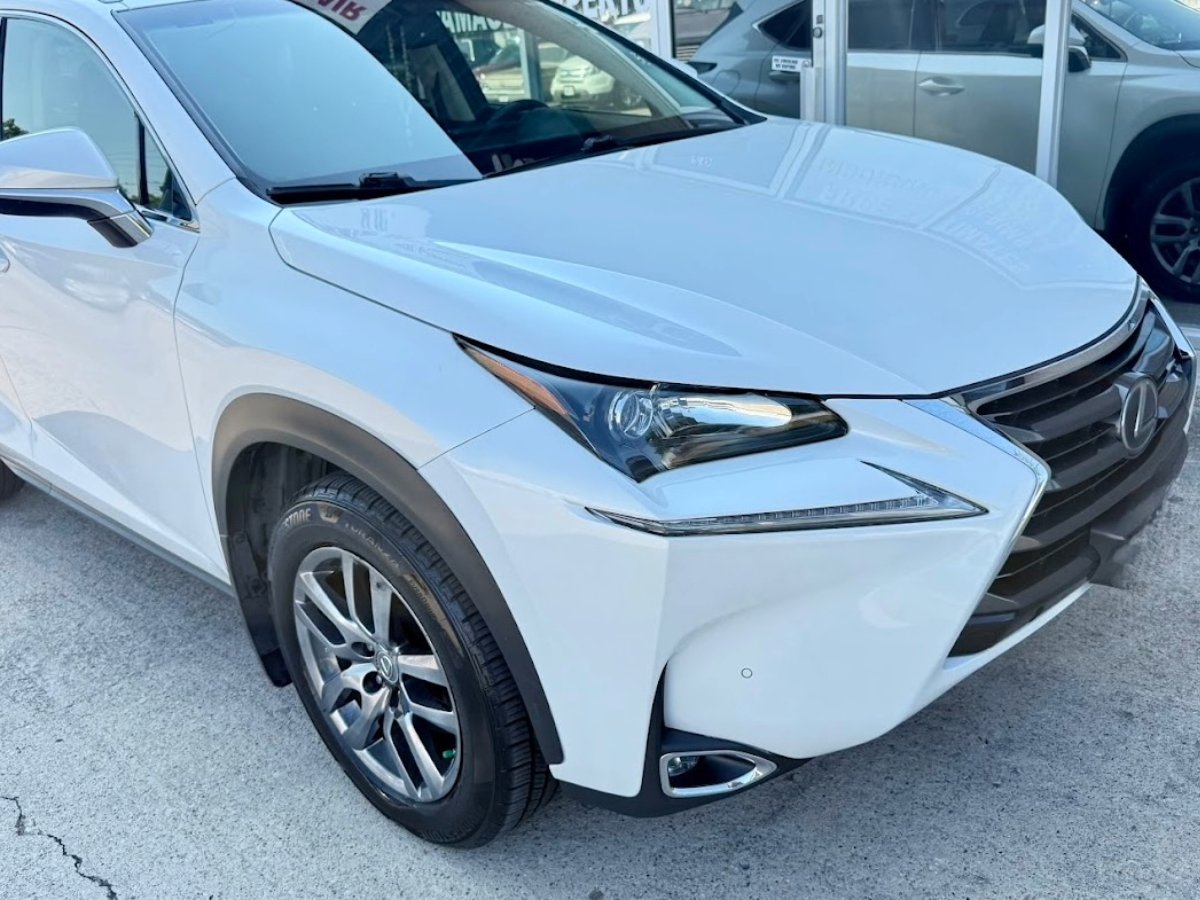
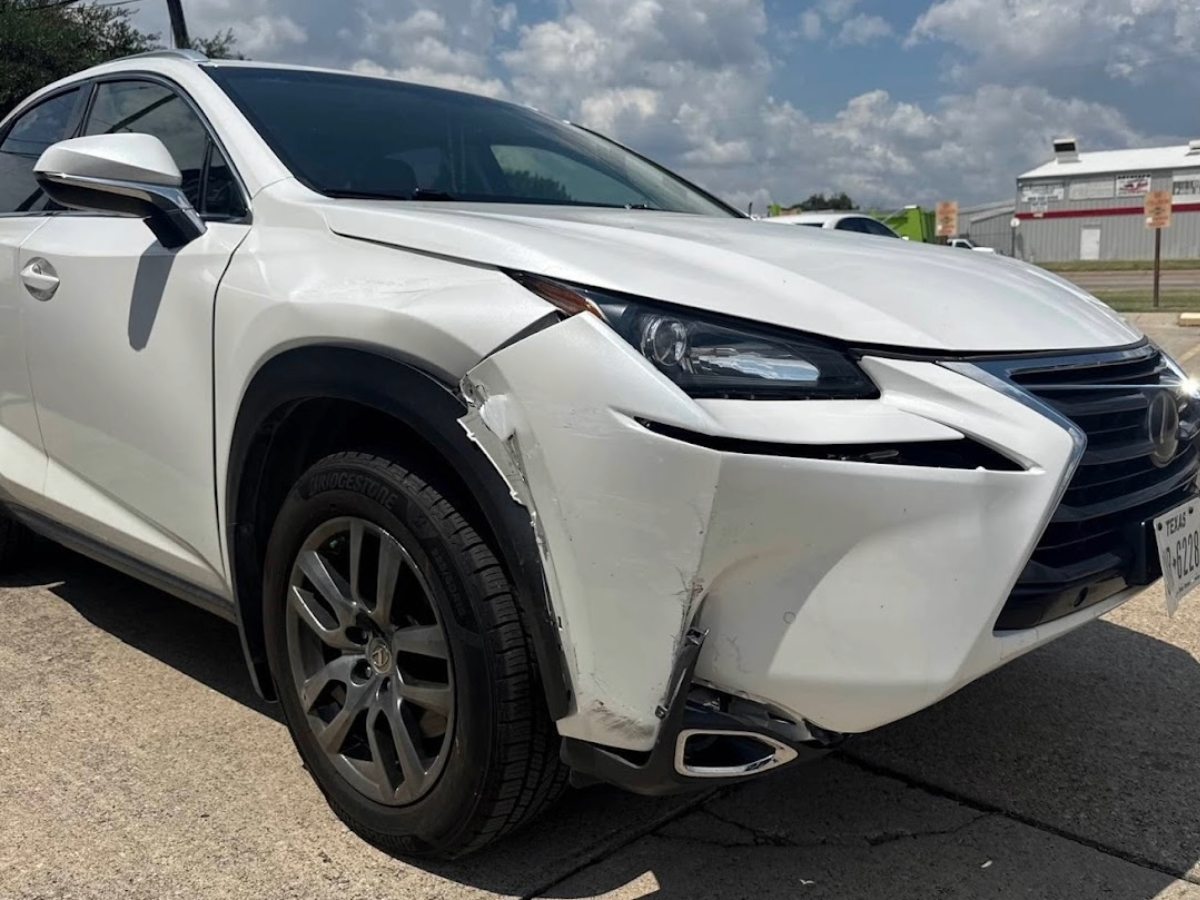
Drag the slider — a real side-impact repair from our Lewisville floor: straightened, refinished, and blended until the repair disappears.
 Before
After
Before
After
Front-End Rebuild — Lexus NX
Pictured: a customer’s Lexus NX — the premium badge a dealership says only they can fix, rebuilt here to spec
Dealer-Vs-Independent Questions