IS THE INSURANCE ESTIMATE THE FINAL NUMBER?
No — the first estimate is an opening number, not a cap. It prices visible damage only, usually from photos. The supplement process pays for what teardown reveals, and on moderate-and-above repairs the final approved total routinely lands 20–40% above the first estimate. Your insurer pays approved supplements; your out-of-pocket stays the deductible.
No — the first estimate is an opening number, not a cap. It prices visible damage on conservative assumptions; teardown documents the rest, and supplements bill it to the carrier. On moderate-and-above repairs the final approved total routinely lands 20–40% above the first estimate — while your out-of-pocket typically stays your deductible, once.
No — the first insurance estimate is an opening number, not a cap. It prices only visible damage, usually from photos, on conservative parts and labor assumptions. The supplement process exists because teardown reveals more: hidden brackets, crushed absorbers, bent structure, and required calibrations get documented by the shop and billed to the carrier, and on moderate-and-above repairs the final approved total routinely lands 20–40% above the first estimate. On a covered claim the insurer pays approved supplements — your out-of-pocket stays your deductible, and cashing the first check does not close the claim.
- Why it starts low: photo estimates price what the camera sees — nothing behind the bumper cover or inside the doors.
- The correction mechanism: supplements — teardown findings photographed, itemized, and billed to your carrier. Approval runs 2–5 business days per cycle.
- Who pays: the insurer, on the same claim. Your out-of-pocket stays your deductible, paid once.
- Your Texas rights: §1952.301 — your shop choice, and no coverage limits by parts brand or condition. Re-inspection, appraisal clause, and TDI complaints back you up.
- First check ≠ final: cashing it doesn’t close the claim — only a signed release does.
The Short Answer: It’s An Opening Number
The estimate lands in your email, it’s thousands less than you feared — or thousands less than the damage obviously deserves — and the natural question follows: is that it? No. In the collision-claim system, the first estimate is an opening position. It prices what an adjuster or a photo-review pipeline could see from the outside of an assembled car, and the industry’s own machinery assumes a second pass: the supplement, which pays for everything teardown reveals.
This isn’t a loophole or a negotiation trick — it’s how the process is designed. Modern vehicles are built to hide their damage: energy absorbers collapse invisibly behind bumper covers, intrusion beams bend inside door skins, radar mounts crack behind grilles that look merely scuffed. Nobody can price those parts from a photo, so the system prices them later, from a teardown, with evidence. On moderate-and-above repairs in our shop, that second pass routinely moves the final approved total 20–40% past the first estimate.
What follows is the whole mechanism, written from the estimate bay at DG Collision Center in Lewisville: why first numbers run low, how supplements actually move, what Texas law guarantees you when an adjuster digs in, and why cashing the first check doesn’t end anything. If you’re deciding whether to repair at all, read this alongside our keep-the-check guide — the two questions decide each other.
Why First Estimates Run Low
They’re written from photos. Most first estimates today come out of a photo pipeline: you upload six pictures through the carrier’s app, software and a desk reviewer price the visible panels, and a number arrives in days. Photos can’t see behind a bumper cover, under a headlamp, or inside a door. The pipeline knows this — which is why the output is treated internally as a starting point.
They’re written to conservative assumptions. First estimates commonly assume aftermarket or recycled parts where policy allows, price labor at the carrier’s prevailing rate, and skip operations that only a repair plan reveals — ADAS calibrations, one-time-use fasteners, corrosion protection, blend panels for paint match. None of that is fraud; it’s an opening bid produced at scale.
And nobody has torn the car down yet. The estimate that matters gets written on a lift with the trim off — what the industry calls blueprinting. Our repair timeline guide covers how blueprinting also compresses the schedule; here it’s the money side that matters: teardown converts invisible damage into photographed, itemized, payable line items.
How The Supplement Process Actually Works
A supplement is an addition to the original estimate for damage discovered after the claim was first written. The rhythm is the same on every claim: the shop finds damage the estimate missed, photographs it on the vehicle, itemizes parts and labor against OEM repair procedures, and submits the package to your carrier. An adjuster reviews and approves, the shop orders the parts, and the insurer pays the supplement as part of the same claim. Each cycle typically takes 2–5 business days.
Two things follow from that rhythm. First, documentation is the whole game — a supplement backed by lift photos and printed OEM procedures gets approved; a phone call saying “it’s worse than we thought” gets a debate. Second, fewer, bigger supplements beat many small ones: a shop that blueprints at drop-off sends one comprehensive package instead of drip-feeding discoveries, which is the difference between a repair that flows and one that stalls every week.
Supplements are so routine that carriers staff entire departments to process them. Hold onto that fact the next time a first estimate feels final — the insurer’s own org chart says it isn’t.
Estimate In Hand And It Feels Light?
Text us the estimate and a few photos of the damage. We’ll tell you what the photo pipeline likely missed and what a documented teardown would add — free, on the spot, before you accept anything.
What Teardown Finds That The Photos Missed
The pattern repeats so reliably that we can map it by impact type. The left column is what the photo estimate priced; the middle is what the teardown routinely adds on that same hit:
front or rear impact
side impact, parking-lot hit
rear-corner impact
comprehensive claim
structural indication
This is also the honest answer to “why does the shop estimate differ from the insurance estimate?” They’re pricing different information. The photo estimate prices an assembled car; the shop estimate prices what’s actually broken. The supplement process is how those two numbers reconcile — with the carrier paying the documented difference, not you. And if the reconciled number climbs toward your vehicle’s value, the conversation changes kind: our total-loss guide picks up there.
Real Results
A TEXTBOOK SUPPLEMENT CASE, REPAIRED
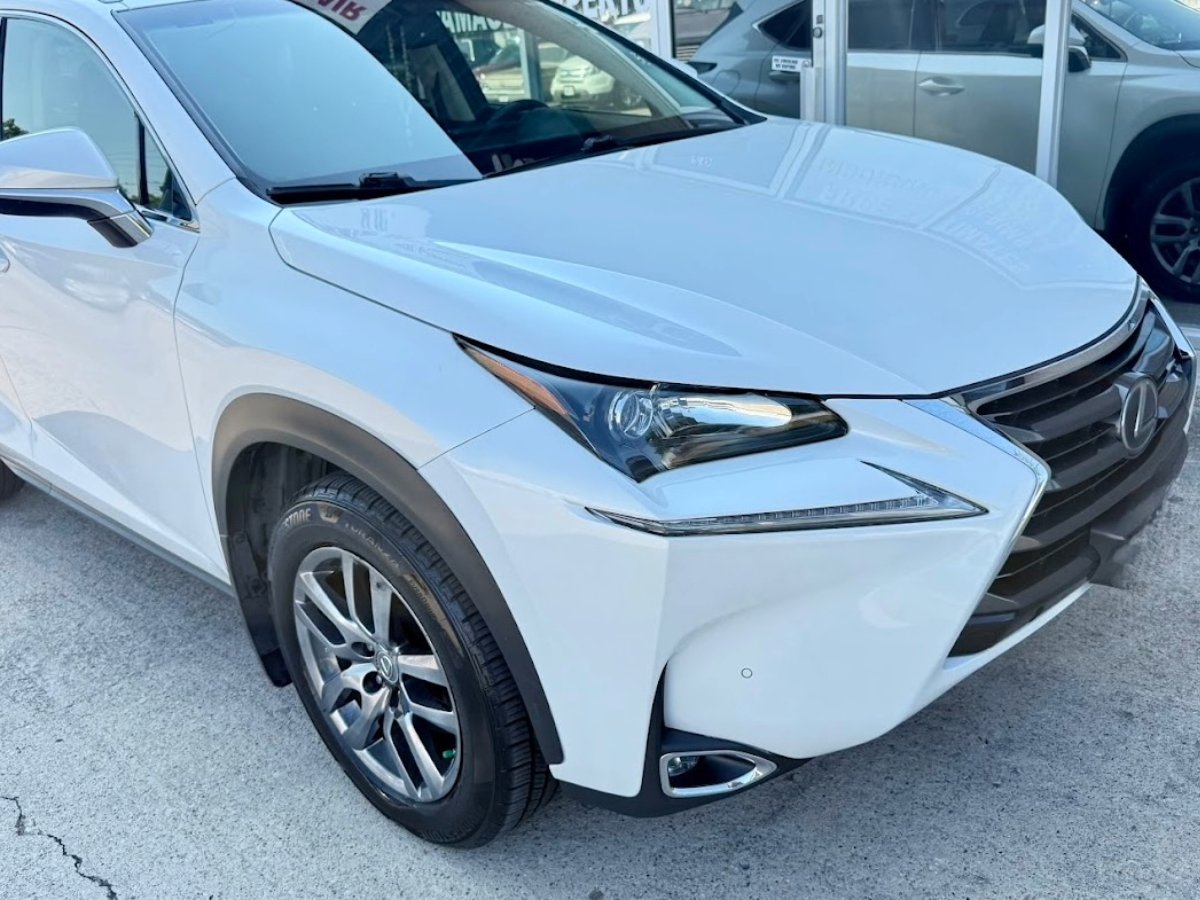
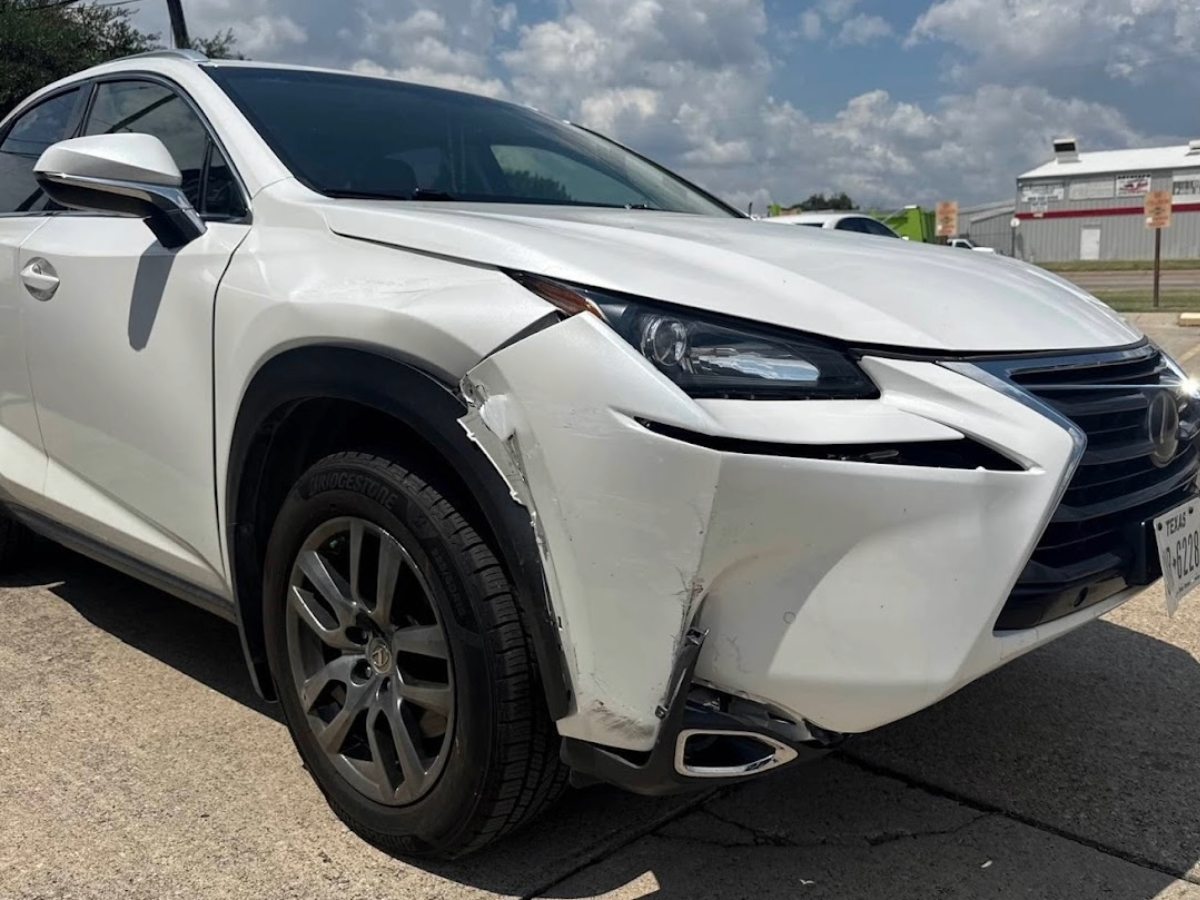
Drag the slider. Front-end hits like this RAV4’s are the classic supplement story — the photos price the bumper, grille, and hood, while the absorber, brackets, and sensor mounts behind them get documented at teardown and paid by supplement.
 Before
After
Before
After
Front-End Rebuild — After The Supplement
Pictured: a customer’s Lexus NX — the first estimate never saw half of this; supplements finished the job
Your Texas Rights When The Adjuster Says “That’s All”
Texas wrote your side of this negotiation into statute. Insurance Code §1952.301 prohibits an insurer from limiting coverage by requiring a particular repair person or facility — the shop is your choice — and, in the same section, from limiting coverage by specifying “the brand, type, kind, age, vendor, supplier, or condition of parts.” The neighboring sections back it up: §1952.302 bans steering tactics and referral kickbacks, and §1952.305 requires you to be given written notice of these rights when you present the car on a claim. The parts half of that clause — OEM versus aftermarket, and when each is actually right — now has its own full guide: OEM vs aftermarket parts in Texas.
When a legitimate, documented supplement gets refused, the escalation ladder runs: re-inspection (ask the carrier to send an adjuster to see the disassembled vehicle in person — photos of a torn-down car are hard to argue with), the appraisal clause most Texas personal auto policies include for disputes over the amount of loss, and a complaint to the Texas Department of Insurance, which §1952.306 explicitly contemplates for steering and repair disputes. In our experience the ladder rarely gets climbed — thorough documentation settles almost everything at the adjuster level.
One caution flag in the other direction: if a shop tells you to just accept whatever the first estimate covers — skipping the absorber, reusing one-time fasteners, skipping calibration — that shop is repairing the estimate, not the car. The supplement process exists so the repair can be complete and paid for. A shop unwilling to write supplements is telling you whose side of the estimate it’s on.
Already Cashed The First Check? The Claim Isn’t Closed
A common fear, easily retired: cashing the insurer’s first check does not lock in the first estimate. The check pays the opening number; supplements for the same loss can still be documented, submitted, approved, and paid afterward. That’s not reopening a closed claim — it’s the same claim doing what claims do. What actually ends a claim is a signed release, which is rare on routine physical-damage claims. Read anything you’re asked to sign, and if a document says “full and final settlement,” ask questions before your pen moves.
The practical sequence when the check beat you to a decision: pick your shop, hand over the claim number and the adjuster’s estimate, and let the teardown restate the real scope. The shop bills the carrier for approved supplements directly — the check in your bank account simply becomes part of the repair funding, and your total out-of-pocket still lands at the deductible. Whether keeping that check and skipping the repair ever makes sense — and what it quietly costs — is exactly the question our keep-the-check guide answers.
Adjuster Standing Firm On A Low Number?
Bring us the estimate and the car. We tear down, photograph everything on the lift, and submit the supplement with OEM procedures attached. Documentation wins these — and writing it is our job, not yours.
From First Estimate To Full Value In Five Steps
The whole guide as a checklist — the sequence we run for every insurance customer:
Step 1 — Treat The First Estimate As An Opening Number
Don’t panic when the photo estimate looks thin, and don’t cash it as if it were a verdict on your car. The first estimate prices visible damage on conservative assumptions — the claim system fully expects supplements to follow once the vehicle is torn down.
Step 2 — Pick Your Shop: It’s Your Call In Texas
Texas Insurance Code §1952.301 bars the insurer from requiring their shop or limiting parts by brand or condition. Choose a shop that documents thoroughly and negotiates supplements daily; hand them the claim number and let them work the file.
Step 3 — Authorize Teardown So Hidden Damage Gets Documented
The gap between the first estimate and the real number lives behind the bumper cover and inside the doors. A full teardown at drop-off — blueprinting — finds it all at once, photographs it on the lift, and prices it against OEM repair procedures.
Step 4 — Let One Documented Supplement Do The Arguing
The shop submits the teardown findings to your carrier as a photographed, itemized supplement. Approval typically takes 2–5 business days per cycle — one comprehensive supplement beats several small ones, and documentation wins arguments that phone calls lose.
Step 5 — Pay Your Deductible: The Claim Pays The Rest
At delivery the final invoice reflects the first estimate plus approved supplements, billed to the carrier. On a covered claim your out-of-pocket stays your deductible, paid once. If anyone proposes you cover undocumented “gaps” on covered damage, that’s a documentation failure, not your bill — and our deductible guide covers the one payment that is genuinely yours.
Usual honesty footnote: policies differ and this is general information from a repair shop, not legal or insurance advice for your specific claim. Your policy’s appraisal clause, your carrier, and TDI are the binding authorities. What we bring is the part that moves the number: teardown, photographs, and OEM procedures, submitted correctly the first time.
Common Questions
INSURANCE ESTIMATES & SUPPLEMENTS FAQ
Ten questions we answer every week about first estimates, supplements, and who pays what.
About The Author
Shah Jiwani — Owner, DG Collision Center
Shah has 30+ years of hands-on DFW collision-repair experience. He joined DG Collision in the 1990s, earned equity over time, and took over as owner in 2005. He is I-CAR Gold Class Certified, PPG Certified Refinish, and Sherwin-Williams Automotive Certified. Every guide on this site is written or reviewed based on what we actually see in the shop — not aggregated from other blogs.
Read Shah’s full bio & credentials →Free · No Obligation
GET THE REAL REPAIR NUMBER
Send the insurance estimate and a few photos. We’ll tell you what the photo pipeline likely missed — and handle the supplements if you repair with us.
Prefer to talk now? Call (972) 219-0864 · or text us photos