ACURA BODY SHOP LEWISVILLE, TX
MDX, RDX, TLX, Integra, the Type S line, and the NSX legacy — the luxury brand that was an engineering company first. Acura’s founding act was structural: the 1990 NSX carried the world’s first all-aluminum monocoque body, forty percent lighter than steel, years before the European flagships caught up — and that inside-out engineering culture is exactly how an Acura repair should be judged. Not by the paint you can see, but by what’s underneath it: factory procedures followed, structure measured, brackets and welds photographed before they’re covered. We repair from the inside out — and hand you the file that proves it. Free loaner, written lifetime warranty, direct billing.
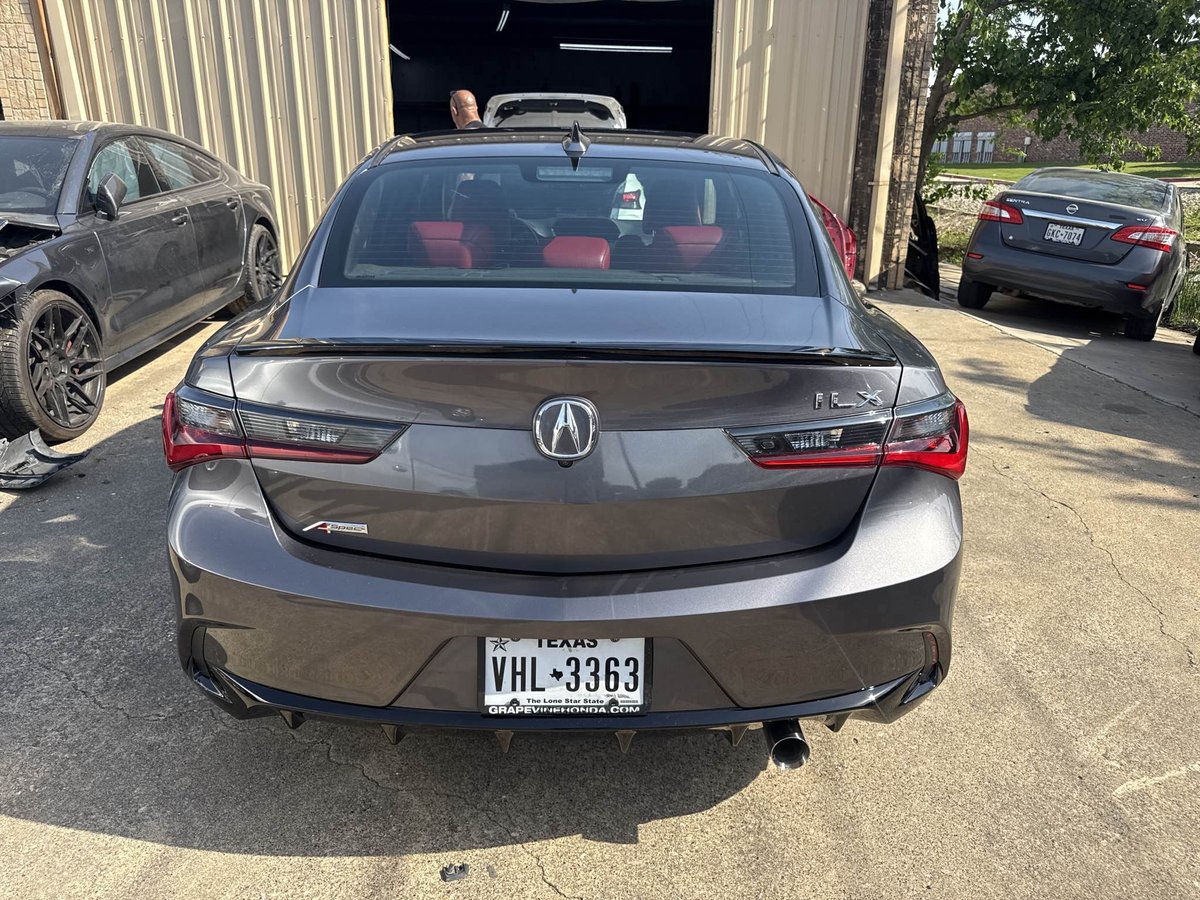
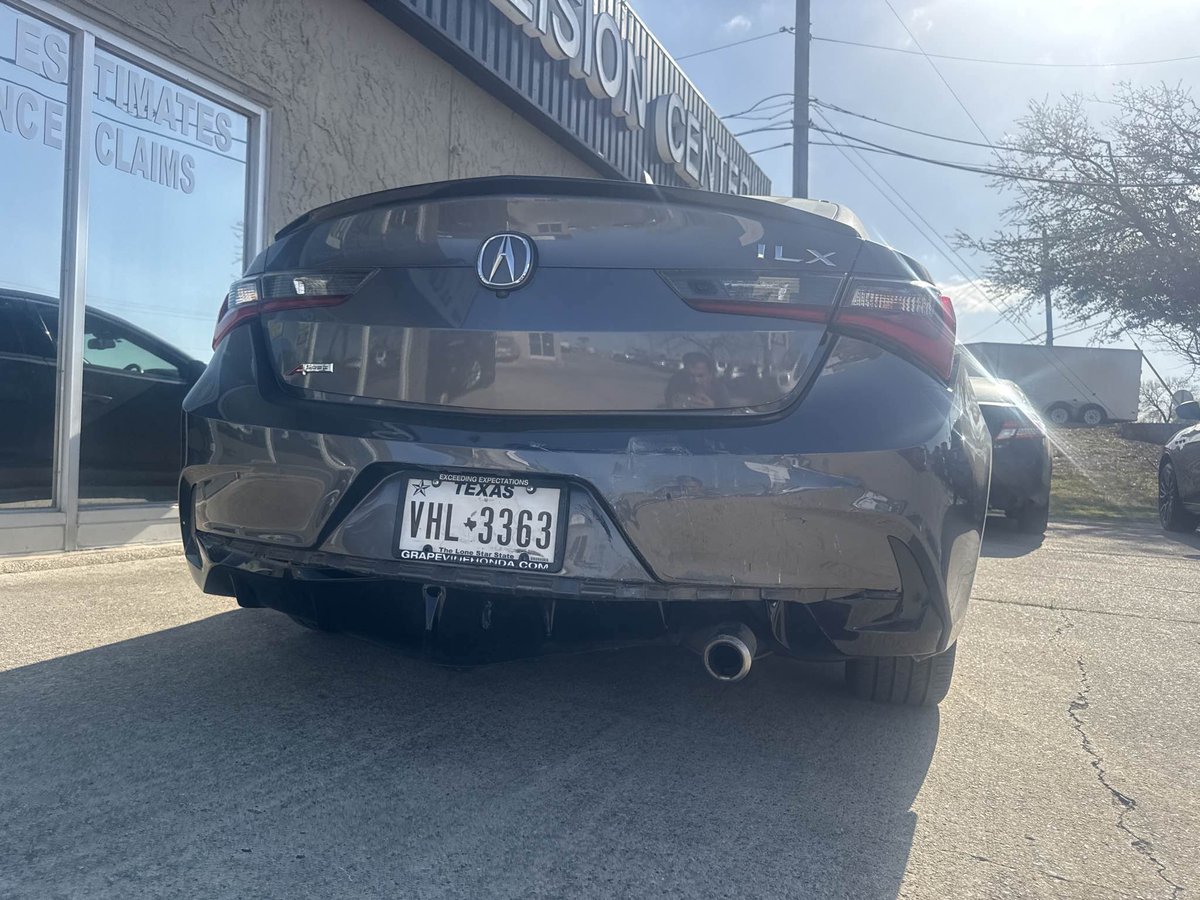 Before
After
Drag the line — a customer’s ILX A-Spec, scraped to delivered at our Lewisville shop.
Before
After
Drag the line — a customer’s ILX A-Spec, scraped to delivered at our Lewisville shop.
DG Collision Center repairs Acuras the way the brand was built — from the inside out. Acura’s founding statement was structural engineering nobody could see from the curb: the 1990 NSX carried the world’s first all-aluminum monocoque body on a production car — 462 pounds, forty percent lighter than steel at equivalent strength — and the brand has been an engineer’s luxury marque ever since, down to where the cars are made: the MDX and RDX come out of East Liberty, Ohio, the TLX out of Marysville, and the NSX was hand-built at the Performance Manufacturing Center up the road until the second generation bowed out with the Type S. That inside-out culture sets the repair standard. The parts of a collision repair that decide whether the car is right — procedures followed, structure measured on the bench, brackets seated, welds placed where the book says — are exactly the parts you’ll never see once the paint goes on, so we photograph the inside before it’s covered and hand you the file; the family lesson in what happens otherwise is documented on our Honda hub, and it happened in Dallas. The electronics get the same discipline: AcuraWatch is standard on every Acura — radar-and-camera collision mitigation braking, adaptive cruise, lane keeping — while blind-spot and rear-cross-traffic hardware ride in package upgrades, so the rear-bumper question gets decoded from your actual build, then calibrated through our calibration specialists. Paint runs the family system: Platinum White Pearl — NH-883P, a true tricoat shared across the Honda family, rebuilt layer by layer; Apex Blue Pearl — B-621P, the Type S calling card — matched from the door-jamb code, never the name. Genuine parts argued in writing under Texas Insurance Code §1952.301; free loaner, no day limit; direct billing — your out-of-pocket is typically your deductible, once.
- The inside is the audit — everything that makes a repair right disappears under the paint. We photograph structure, brackets, and welds before they’re covered, and the file comes home with the car.
- Aluminum heritage is real here — the 1990 NSX wore the world’s first all-aluminum monocoque on a production car. Aluminum discipline and material-correct repair are family values, not add-ons.
- AcuraWatch is standard; the packages aren’t — collision braking, adaptive cruise, and lane keeping ship on every Acura, but blind-spot and rear-cross hardware vary by package. We decode the build, then calibrate.
- Type S is its own car at the estimate — fascias, wheels, brakes, and badges carry a separate parts sheet. We document which car is actually in the shop before the claim prices it.
- The pearl is a tricoat — NH-883P Platinum White Pearl is built in layers and shared across the Honda family. One-coat approximations read flat; we rebuild the stack and prove it on a card.
- Genuine parts have legal backup — Texas Insurance Code §1952.301 bars insurers from dictating parts by brand, type, or condition. We make that argument for you, in writing.
The Luxury Brand You Judge From The Inside Out
Every luxury marque tells a story about itself. Acura’s story has always been an engineer’s: the brand’s defining car, the 1990 NSX, carried the world’s first all-aluminum monocoque body on a production car — a 462-pound structure, forty percent lighter than the equivalent steel shell at the same strength — and it did it years before Europe’s flagships went aluminum. Nobody standing at the curb could see the achievement; it lived entirely under the skin. That’s the brand in one sentence, and it’s also the only honest way to judge a collision repair — because everything that makes a repair genuinely right happens where you’ll never look again. The structural section measured within a millimeter, the bracket seated square so the radar reads true, the weld placed where the factory book says instead of where the glue gun is faster: all of it disappears under paint that looks identical either way. So we treat the inside as the deliverable: on an Acura, the hidden work gets photographed before it’s covered, and the file comes home with the car — proof for you, for your insurer, and for whoever appraises the car next.
The family stakes are documented a few miles from here. Acura is Honda’s luxury line, and the collision-repair lesson of the whole Honda family happened in Dallas — the John Eagle case, where a shop glued a roof the factory manual said to weld — and our Honda hub documents it in full: read the book, follow the book, prove you followed the book. The Acura layer on top of that discipline is a luxury layer. AcuraWatch is standard on every Acura — collision mitigation braking that reads the road through radar and a high-resolution camera, adaptive cruise, lane keeping and road-departure mitigation — but the blind-spot and rear-cross-traffic hardware ride in package upgrades, which means the most ordinary DFW claim, the rear-ender on 35E or the tollway, is a build-sheet question: what’s actually in this bumper? We decode your car before promising anything, remove and reinstall the hardware correctly, and calibrate through our specialists with verification in the file. The Type S cars add a parts-sheet layer of their own — fascias, brakes, wheels, and badges that price differently from the standard car at every corner, documented before the claim goes anywhere — and structural hits across the lineup go to the bench, because an engineer’s car deserves measured proof, not a practiced eye.
The rest of the story is quietly American: the MDX and RDX are built at East Liberty, Ohio, the TLX at Marysville, and the NSX was hand-built at the Performance Manufacturing Center nearby until the second generation bowed out with the 600-horsepower Type S — a car already trading as a collectible, with documentation expectations to match. The paint runs the Honda family system with a luxury tilt: Platinum White Pearl — NH-883P — is a true tricoat, a pearl layer over a color base that has to be rebuilt layer-for-layer and blended wide or it reads flat in the Texas sun, and Apex Blue Pearl — B-621P — is the Type S calling card, chosen deliberately by owners who will inspect the match. Codes live on the driver’s door jamb, and we match from the code and prove the mix on a sprayout card before anything touches a panel. The before/after at the top of this page is a customer’s Acura ILX A-Spec — rear bumper, photographed at our shop, scraped to delivered. The gallery below shows a customer’s Honda Accord — not an Acura, but its Honda-family cousin — same front-end discipline, bumper to headlights; the Acura version adds the decode, the luxury documentation, and the inside-out file on top.
The Lineup
EVERY ACURA, AND ITS QUIRKS
Family flagships to returned nameplates to a hand-built supercar legacy — each with its own repair personality.
MDX & MDX Type S
The three-row flagship out of East Liberty, Ohio — carpool duty, liftgate claims, and sensor-dense bumpers at both ends. The Type S version carries its own fascias and hardware; we document which one is in the shop before the estimate moves.
RDX
The volume Acura of DFW — office decks, school runs, 35E stop-and-go. Its classic claims are bumper corners and door edges, and its blind-spot hardware depends on the package — decoded first, calibrated after, always.
TLX & TLX Type S
The Marysville-built sport sedan — long sculpted panels, low fascias meeting parking blocks, and a Type S parts sheet that prices differently at every corner. Repaired to the book, documented to the badge.
Integra
The returned nameplate — an enthusiast’s entry with a manual still on the menu, bought by people who know exactly what the badge used to mean. Tight panel gaps, honest repairs, and documentation that respects the car’s second act.
The NSX Legacy
The 1990 original wore the world’s first all-aluminum monocoque on a production car; the second generation was hand-built in Marysville until the Type S sent it off. Both trade as collectibles now — appointment-grade intake, material-correct repair, collector documentation.
The Type S Line
Acura’s performance layer — unique fascias, brakes, wheels, and badging that make a Type S a different car at the estimate. The claim should price the car that’s actually here, so the decode comes first and the parts argument goes in writing.
The AcuraWatch Reality
Standard on every Acura: radar-and-camera collision braking, adaptive cruise, lane keeping. Package-dependent: blind-spot and rear-cross hardware. Which means every bumper claim starts with a question we actually answer — what’s in this build?
The Ohio Cars
East Liberty, Marysville, and the Performance Manufacturing Center — Acura’s core lineup is built in central Ohio, with domestic parts channels to match. On a claim, that shows up as genuine parts sourced without transatlantic lead times.
The Legacy Fleet
The older MDXs, TLs, and TSXs still running DFW by the thousands — out of warranty, deep in body-shop years, and worth repairing right. Same book, same bench, same documentation; honest triage when the math gets close.
Acura Paint, By The Code
Acura runs the Honda family’s paint system with a luxury tilt — layered pearls on the volume cars, signature colors on the Type S line. The door-jamb code decides the formula; the card proves the match.
Every finish gets the same spectrophotometer-and-sprayout discipline — read the actual panel, prove the mix on a card, blend into the adjacent panel so there’s no edge for the Texas sun to find. On the tricoat pearls, the layer count is the repair — and it goes in the file like everything else.
The Acura Repair, By The Book
Five steps, none optional — and on an Acura, the middle ones get photographed before they disappear:
1 — The Factory Procedures Come First
Every repair starts in the published factory collision procedures for your exact model and year — the Honda family wrote the industry’s hardest lesson about what happens when a shop improvises, and it happened in Dallas. Where the book says weld, we weld; where it says replace, we replace; and where materials change, the technique changes with them.
2 — Blueprint The Actual Car
Full disassembly, every hidden finding photographed and itemized into one documented supplement — plus the Acura-specific decode: Type S or standard, which AcuraWatch package hardware, which pearl on the door jamb. The supplement process pays for what’s found and documented — and the claim should price the car that’s actually here.
3 — The Inside, Documented
This is the step the brand deserves: structural sections measured on the bench within a millimeter, brackets seated square, welds placed per the book — and all of it photographed before primer and paint cover it forever. The pictures go in your delivery file, because on an engineer’s car, “trust us” isn’t documentation.
4 — Genuine Parts, Argued In Writing
On structural, safety, and sensor-bearing components we push genuine parts and put the argument to the adjuster in writing — Type S components doubly so, because a performance fascia is not a commodity bumper. Texas Insurance Code §1952.301 bars insurers from limiting coverage by the brand, type, kind, age, vendor, supplier, or condition of parts — that fight is ours to have, not yours.
5 — Calibration, And The File
Pre- and post-repair scans on every job; the AcuraWatch camera and radar — plus whatever package hardware your build carries — recalibrated in-house and verified; the tricoat layers checked in daylight; and then the handover this page is named for: the file. Procedures cited, parts itemized, the hidden work photographed, calibrations printed. The inside, made visible.
Real Results
THE FRONT-END REBUILD, BUMPER TO HEADLIGHTS
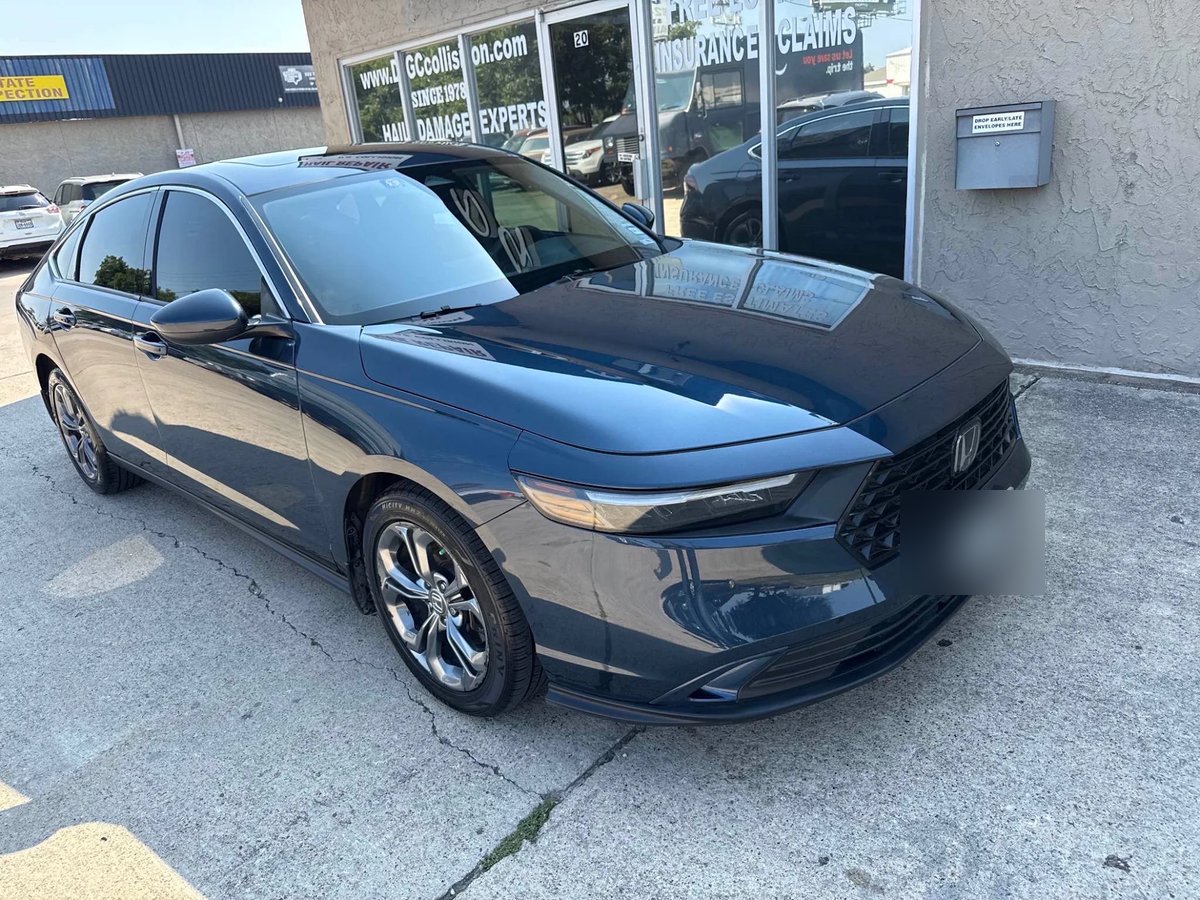
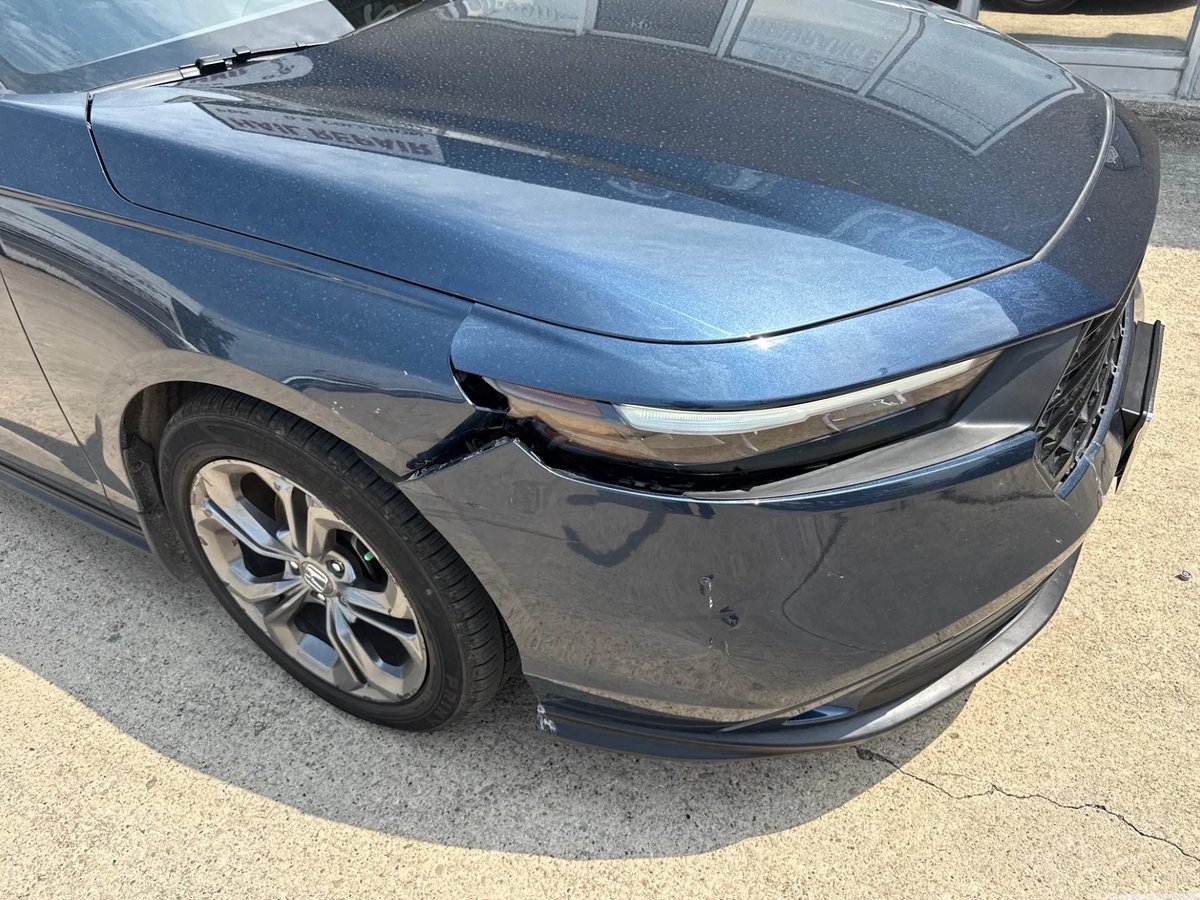
Drag the slider. A customer’s front-end repair — bumper, fender, and headlight — billed direct and returned to spec. It’s a Honda Accord, not an Acura — though as the brand’s Honda-family cousin, it’s the closest kin on our floor. The discipline is identical; on the Acura version, the decode, the luxury documentation, and the inside-out file ride on top.
 Before
After
Before
After
Front-End Repair — Bumper To Headlights
Pictured: Honda Accord, the Acura’s family cousin — the same front-end discipline we run on Acuras, with the decode and inside-out documentation added
Acura Hit? Hailed On? Send Photos.
Text a few photos with your year, model, and trim — Type S versus standard changes the parts sheet, package hardware changes the calibration list, and the pearls change the refinish plan. We’ll answer with a realistic range, usually within minutes during shop hours.
Common Questions
ACURA REPAIR FAQ
Free · No Obligation
START YOUR ACURA REPAIR
Tell us which Acura you drive — year, model, and trim; Type S details and package hardware price the parts — and what happened. We’ll call back with the real number and next steps.
Prefer to talk now? Call (972) 219-0864 · or text us photos
Acura, MDX, RDX, TLX, Integra, NSX, Type S, AcuraWatch, and Precision Crafted Performance are trademarks of Honda Motor Co., Ltd. or American Honda Motor Co., Inc. DG Collision Center is an independent repair facility and is not affiliated with, sponsored by, or endorsed by American Honda Motor Co., Inc., the Acura division, or their dealers. References are for factual identification only.