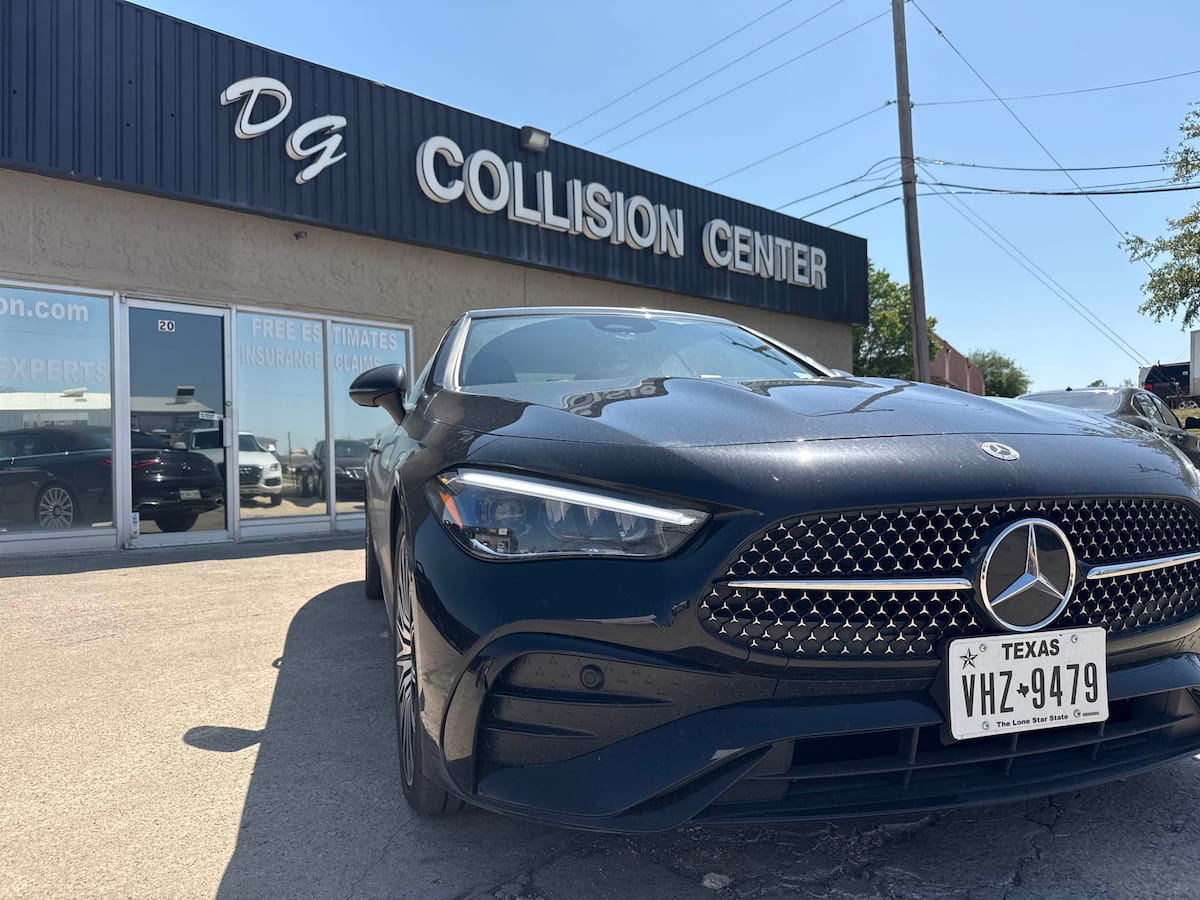
The Short Answer
No — In Texas, You Pick The Shop
The moment you open an auto claim, most carriers steer you toward a "recommended," "preferred," or "network" body shop. It sounds like a requirement. It isn't. Under Texas Insurance Code §1952.301, an insurer may not require you to use a particular repair shop as a condition of paying your claim. The recommendation is a suggestion — the decision belongs to the person who owns the car.
That gap between how the recommendation sounds and what the law says is where most Texas drivers give up their choice without realizing they had one. The adjuster isn't lying to you; they're reading a script designed to move your car into the carrier's Direct Repair Program, because that network saves the carrier money and paperwork. Whether it's the right choice for you is a separate question — one this guide answers honestly, including the cases where a network shop is perfectly fine.
I've owned DG Collision Center in Lewisville for over two decades, and the shop has been repairing DFW vehicles at the same address since 1978. We work with every major carrier on every claim — we're just not owned by any of them. What follows is what a Direct Repair Program actually is, what the common steering lines really mean, the honest trade-offs in both directions, and the exact sentence that keeps your choice on the claim call. For the full post-accident sequence, see our Texas after-an-accident guide. Esta guía existe completa en español: ¿Tengo que usar el taller de la aseguradora?
General information about standard Texas personal-auto policies as of 2026 — not legal advice. Your policy documents control; for a specific dispute, consult a Texas attorney or the Texas Department of Insurance.
The Network Explained
What A "Preferred Shop" Or DRP Actually Is
A Direct Repair Program (DRP) is a standing contract between a body shop and an insurance carrier. The shop gets a steady stream of referred customers from the carrier's claim desk. In exchange, the shop agrees to the carrier's terms: pre-negotiated labor rates, the carrier's parts-selection preferences, its photo and paperwork platforms, and its repair-time targets. When an adjuster says "we have a shop we work with," this contract is what they mean.
Understand the economics and the recommendation makes sense — from the carrier's side. A DRP repair is cheaper and easier for the insurer to administer: the rates are locked in advance, the estimates arrive in the carrier's own format, and disputes are rare because the shop's referral stream depends on staying agreeable. None of that is scandalous. It's also not designed around you.
The structural issue is simple: a network shop's repeat customer is the carrier, not the driver. You'll likely never crash twice with the same shop nearby; the carrier sends that shop cars every week. When a repair decision sits in the gray zone — repair a panel or replace it, aftermarket part or OEM, blend the paint one panel further or stop — the economic pull on a DRP shop points toward the carrier's cost target. A shop you chose yourself answers to exactly one person: you. That's the entire difference, and it's why Texas law puts the choice in your hands rather than the carrier's.
The Law
What Texas Law Actually Says
Texas Insurance Code §1952.301 is short and unambiguous: an insurer may not require the beneficiary of a motor vehicle policy to use a specific repair person or facility as a condition of paying a claim. The carrier can recommend, list, and describe its network shops all day — what it cannot do is make your payment depend on picking one of them.
Two practical consequences follow. First, your claim cannot be denied for choosing your own shop. On a covered claim, the insurer's obligation follows the policy, not the repair facility. Second, you don't have to win an argument to use the right. There's no form to file and no statute to quote — you state the shop you've chosen, and the claim file records it. If the rep pushes back, restating your choice once is enough; the law doesn't require your insurer to like the answer, only to honor it.
The shop-choice statute travels with an entourage worth knowing by section number. §1952.302 writes the conduct rules: insurers, their adjusters, and even independent adjusting firms may not take referral fees for pointing you anywhere, may not “state or suggest, either orally or in writing” that repairs must happen at a network shop to be covered, and may not steer you by demanding an unreasonable drive. §1952.304 bans gag clauses: no insurer can stop a shop from telling you what parts went on your car and what the insurer was charged for them. §1952.305 requires carriers to hand you notice of these rights when you present the car on a claim — state-prescribed wording that opens, “By law, you have the right to select where your motor vehicle is repaired and the parts used for repairs.” And §1952.306 gives you — and your shop — standing to file a documented complaint with TDI when the script ignores the statute; TDI’s own steering bulletin warns carriers that even implying you’ll pay more for choosing an off-list shop can unlawfully limit your coverage. Once the right is secured, spend it well: the ten-question checklist in our choose-a-shop guide is how — and if your fork is dealership-versus-independent, that comparison has its own honest guide.
The same right covers every kind of Texas auto claim — collision, comprehensive, hail, another driver's liability claim against their carrier. If a hail storm is what brought you here, our Texas hail claim guide walks that specific process step by step.
WANT A SECOND OPINION BEFORE YOU DECIDE?
Bring us the insurance estimate — or just photos. A free 10-minute look tells you whether the network number covers a complete repair, before you commit your car anywhere.
Steering, Decoded
THE ADJUSTER SCRIPT DECODER
The five lines Texas drivers hear most when they name their own shop — what each one implies, and what's actually true.
None of these lines are illegal to say — and none of them change §1952.301. You don't need to rebut a single one. State your shop, repeat it once if asked, done.
Both Sides, Honestly
The Honest DRP Trade-Offs
A guide written by an independent shop owes you the fair version, so here it is. The genuine advantages of a network shop: scheduling is one phone call because the claim desk books it for you; the shop and adjuster already share systems, so paperwork friction is near zero; and on a simple, visible repair — a scraped bumper cover, a dented door skin — the outcome at a good DRP shop is usually fine. Plenty of DRP shops are competent operations run by honest people. If you know one and trust it, using it is a legitimate choice.
The structural disadvantages don't show up on simple jobs — they show up in the gray zones. Hidden damage found mid-repair: does the shop fight for the supplement or absorb the shortcut? Parts selection: does the estimate default to the cheapest alternative the carrier's platform suggests, or the part the vehicle actually needs? Paint blending, one-time-use fasteners, post-repair scans and calibrations: each is a line item a cost-target shop is nudged to trim. No single trimmed line totals your car — but a repair is a few hundred small decisions, and the question is whose interest breaks the ties.
Our position is the boring one: choose whichever shop you trust — just make it an actual choice. Texas law doesn't say independent shops are better; it says the decision is yours. Make it based on certifications, warranty terms, and how straight the shop talks to you — not based on which name the claim rep read first.
ALREADY HOLDING THE NETWORK ESTIMATE?
Text it to us. We'll compare it line by line against what a complete repair of your vehicle actually requires — free, in plain English, no obligation.
The Independent Case
Why An Independent Shop Works For You
An independent shop's only revenue is repairs done well enough that customers come back and send their neighbors. That alignment is the whole argument. When DG Collision Center writes a repair plan, the standard is the OEM procedure for your vehicle — not a carrier's cost target — because the person we answer to at pickup is you. We hold I-CAR Gold Class certification, a shop-wide training designation held by roughly one in ten U.S. body shops, alongside PPG and Sherwin-Williams refinish certifications.
Independent doesn't mean insurance-hostile. We work with every major carrier on every claim — State Farm, GEICO, Progressive, Allstate, USAA, Tesla Insurance, Farmers, Liberty Mutual, Nationwide, Travelers, Texas Farm Bureau, Fred Loya, AAA Texas, Bristol West, National General, Kemper, Mercury, Alinsco, GAINSCO, Root, Elephant, The General, Lemonade, GM Insurance, Infinity, and the rest — with direct billing, in-house supplement negotiation, and the same estimating platforms the networks use. You sign one authorization; we handle the claim traffic. The repair itself is covered on our collision repair page, and hail-specific work on our hail damage repair page.
And because the right to choose travels with you, so do we: drivers exercise it from Carrollton, Flower Mound, Frisco, and Plano every week — a free loaner for the duration of the repair makes the drive to Lewisville a one-time trip, not a commute.
The Playbook
KEEPING YOUR CHOICE — 5 STEPS
The exact sequence for the claim call, in the order that keeps the decision yours without a single argument.
Pick Your Shop Before You Open The Claim
Decide where the car is going before you call the insurer. A free estimate from the shop you trust takes minutes and gives you a repair plan to anchor on, instead of reacting to the carrier's suggestions in real time.
Open The Claim And State Your Choice
When the rep asks where you'd like the vehicle repaired, answer in one sentence: "The car is going to DG Collision Center, 693 Metro Park Cir #20, Lewisville." The claim file now shows your chosen shop.
Answer The Steering Script Once
If you hear "we can't guarantee their work" or "the network shop is faster," say: "I understand — my choice stays the same." §1952.301 makes the choice yours; you don't need to argue or quote the statute.
Have The Estimate & Claim Number Sent To Your Shop
Ask the adjuster to send the estimate and claim number to your shop. DG bills every major carrier directly and handles supplement paperwork in-house from that point on — you're out of the middleman role.
Drop The Car Off & Take The Loaner
Drop the vehicle off, take a free loaner for the duration of the repair, and pick the car up with a lifetime workmanship warranty in writing.
A Real Claim
WHAT CHOOSING YOUR OWN SHOP LOOKS LIKE
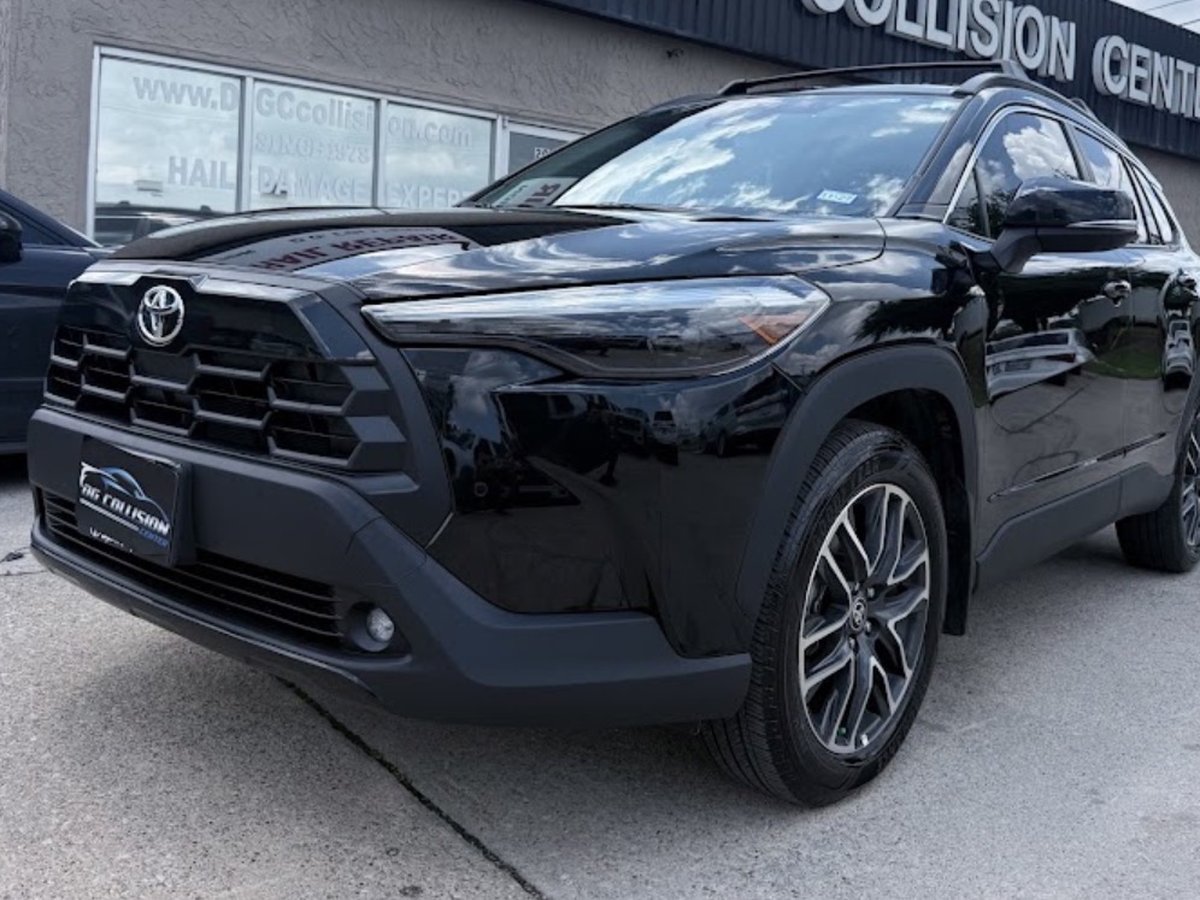
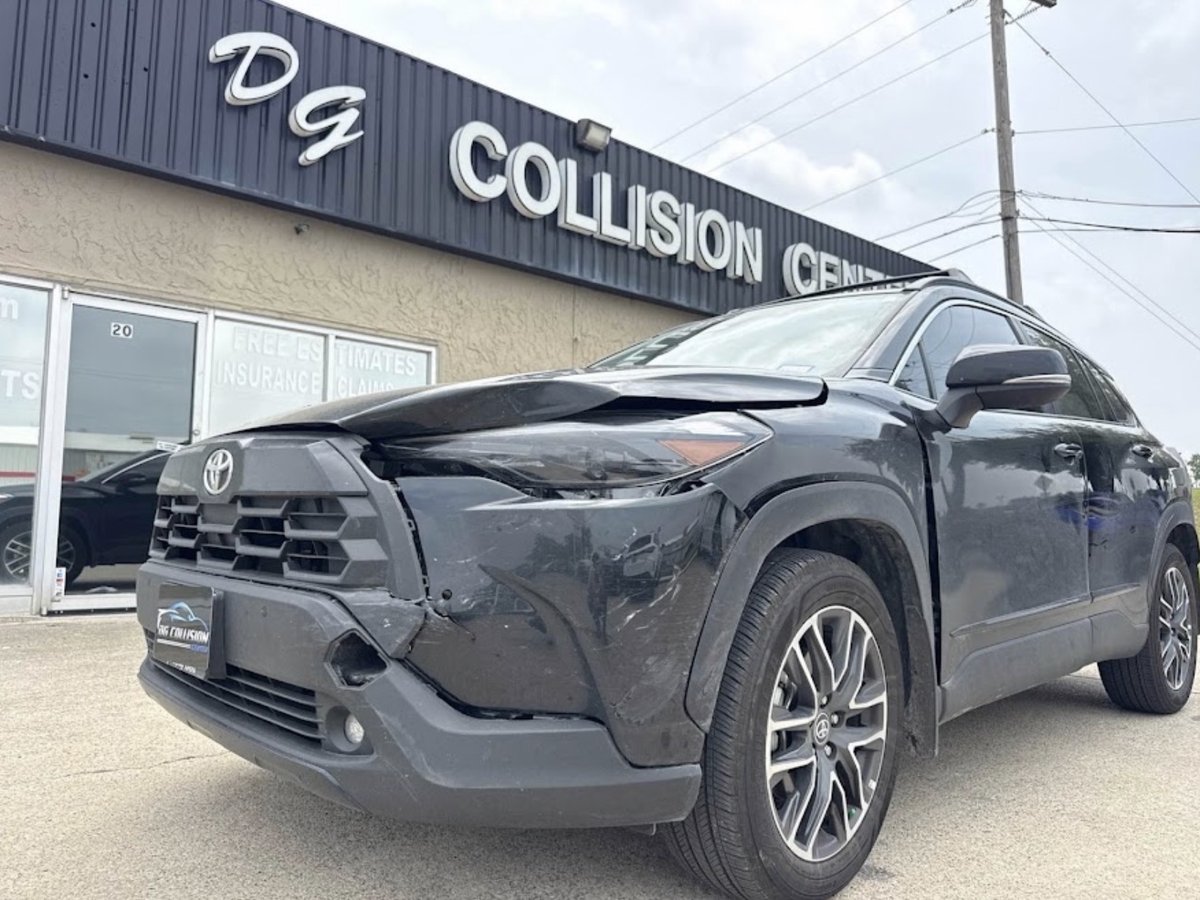
Drag the slider. This front-end repair went through the exact sequence above — the customer named their shop on the claim call, and the carrier was billed direct.
 Before
After
Before
After
Front-End Repair — Customer's Chosen Shop
Insurer-billed direct, factory color match, lifetime workmanship warranty
READY TO MAKE IT YOUR CHOICE?
Free estimate, direct insurance billing with every major carrier, a free loaner for the duration, and a lifetime workmanship warranty in writing.
Shop-Choice Questions
SHOP CHOICE FAQ
About The Author
Shah Jiwani — Owner, DG Collision Center
Shah has 30+ years of hands-on DFW collision-repair experience. He joined DG Collision in the 1990s, earned equity over time, and took over as owner in 2005. He is I-CAR Gold Class Certified, PPG Certified Refinish, and Sherwin-Williams Automotive Certified. Every guide on this site is written or reviewed based on what we actually see in the shop — not aggregated from other blogs.
Read Shah’s full bio & credentials →Free · No Obligation
START WITH A FREE ESTIMATE
Tell us what you drive and where you are in the claim — haven't filed yet, adjuster pushing a network shop, or already holding their estimate. We'll call you back as fast as possible with a real number and the next step.
Prefer to talk now? Call (972) 219-0864 · or text us