DOES A HAIL CLAIM RAISE YOUR INSURANCE RATES?
Usually not by itself. Hail is a comprehensive, not-at-fault claim — a single claim typically carries no surcharge, and Texas rule 28 TAC §5.7016 bars your insurer from dropping you solely over weather claims. What actually moves your premium: losing a claims-free discount, stacking multiple claims, and ZIP-wide base-rate increases after storm years — which hit whether you file or not.
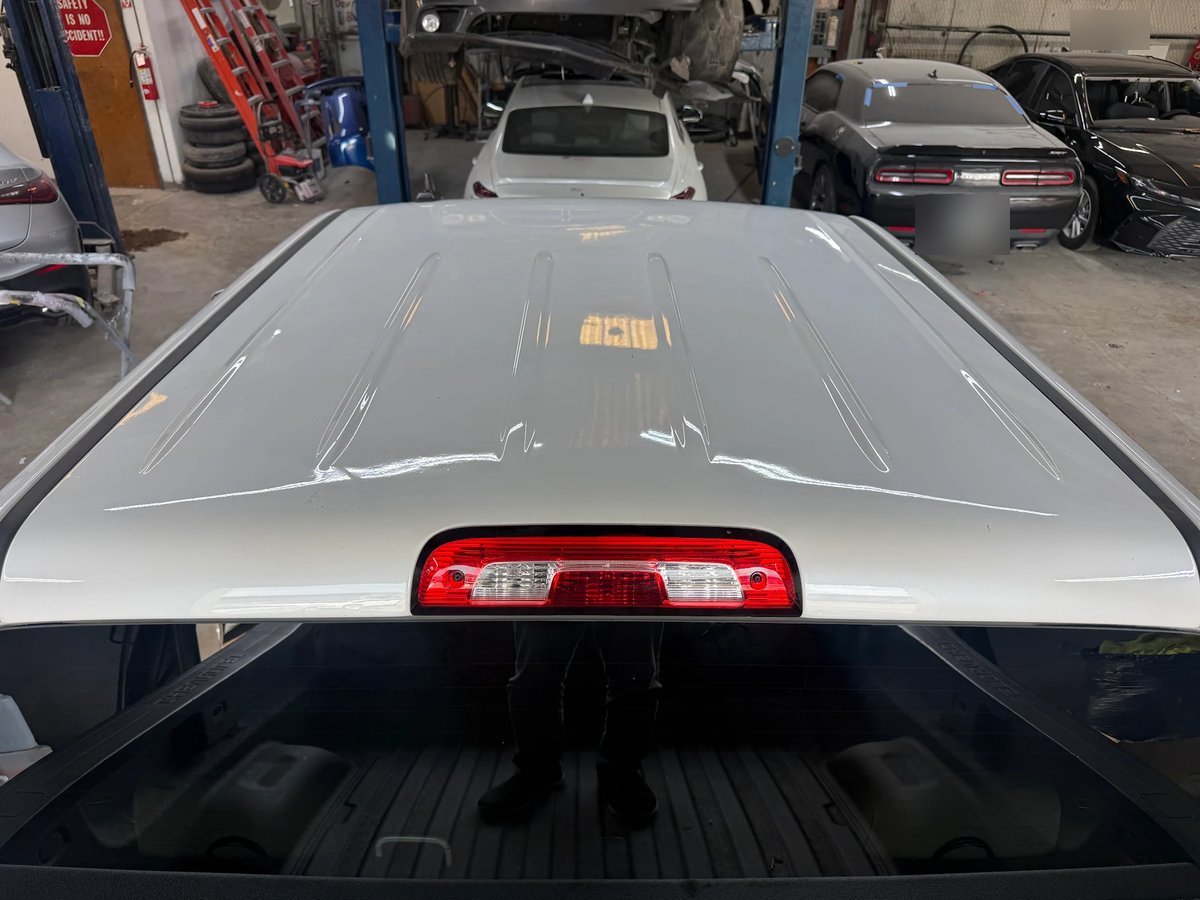
A single hail claim usually will not raise your individual rate: it’s a comprehensive, not-at-fault claim — no surcharge points, nothing on your driving record — and 28 TAC §5.7016 bars nonrenewal solely over weather claims. What can move your bill: a lapsed claims-free discount (often 10–25%) and several claims stacking close together.
A single hail claim usually will not raise your individual car-insurance rate. Hail is a comprehensive, not-at-fault claim — no surcharge points, nothing on your driving record — and Texas rule 28 TAC §5.7016 bars insurers from refusing to renew a personal auto policy solely over weather claims. What can change your premium: losing a claims-free discount (often 10–25%), several claims close together affecting your renewal tier, and ZIP-wide base-rate increases after storm years — which apply whether you file or not.
- Hail = comprehensive, not collision: no fault assigned, no points, driving record untouched.
- Texas nonrenewal protection: 28 TAC §5.7016 names hail specifically — a weather claim alone can’t be the reason you’re dropped.
- The real cost risk: a claims-free discount reset (often 10–25% of premium) — ask your agent before filing a borderline claim.
- Area-wide increases: post-storm base-rate filings hit every policy in the ZIP code — filing or skipping your claim changes nothing.
- When to skip: repair estimate at or below your deductible — get the free estimate first, then decide.
Does Hail Damage Raise Insurance Rates? The Short Answer, Honestly
Every hail season we hear the same worry at the counter: “If I file this claim, my rates go up, right?” For a single hail claim in Texas, the honest answer is: usually not in the way you fear. Hail is a comprehensive claim — the not-at-fault category — and carriers rate it fundamentally differently from an accident you caused. No fault is assigned, no points land anywhere, and your driving record never hears about it.
But “usually not” isn’t “never,” and the people who tell you a hail claim is completely free of consequences are selling something. There are three real mechanisms by which hail season and your premium interact — a claims-free discount you might lose, a rating-tier effect when claims stack up, and area-wide base-rate increases that hit your ZIP code after bad storm years no matter what you personally do. This guide walks through each one with the actual Texas rules attached, then gives you the deductible math for the only decision you control: file, or pay cash. The same decision generalized to every damage type — the deductible breakeven, collision vs comprehensive, and the one case where you always report — lives in our file-a-claim-or-pay-out-of-pocket guide.
It’s written from the shop floor at DG Collision Center in Lewisville, where we’ve repaired North Texas hail damage through every major storm cycle since 1978 — and where a good chunk of our job is telling people not to file claims that aren’t worth filing. For the claim process itself, our Texas hail claim guide covers filing step by step; for the repair prices behind the math here, see the DFW hail repair cost guide.
Hail Is A Comprehensive Claim — And That Changes Everything
Auto policies split physical-damage coverage into two buckets. Collision pays when your car hits something or something hits it in a crash — and when you’re at fault, carriers respond with surcharges that commonly raise a renewal 20–40% for three years. Comprehensive (your policy may call it “other-than-collision”) pays for everything the road didn’t do: hail, flood, theft, vandalism, falling branches, cracked windshields, and the deer that ran out of the tree line.
Hail lives entirely in the comprehensive bucket, and that classification matters three ways. First, no fault is assigned — you didn’t drive badly, the sky opened up, and rating models treat those differently. Second, your driving record is untouched: no points, no incident, nothing a future insurer reads as risk behavior. Third, most carriers’ rating plans simply don’t apply an at-fault-style surcharge to a single comprehensive claim — the premium mechanics that punish a caused accident mostly don’t exist for weather.
One coverage note worth checking today, before the next storm: comprehensive is optional in Texas. If you carry liability-only insurance, hail damage is entirely your problem — no claim exists to file. If your car is financed, your lender almost certainly required comprehensive, so you’re covered; if you own it outright and dropped full coverage, you’re self-insured against the sky.
What Texas Law Actually Protects You From
The fear behind the rates question is usually bigger than rates: “Will my insurer drop me?” Texas answered that one directly. Under 28 Texas Administrative Code §5.7016, an insurer may not use claims from a weather-related incident that doesn’t involve a collision — the rule names hail, flood, tornado, winds, and hurricanes — as the sole basis for refusing to renew your personal auto policy. Animal strikes get the same protection, and so does damage from flying gravel and falling objects.
Notice the load-bearing word: “solely.” A hail claim standing alone can’t be the reason you’re nonrenewed. But the rule’s protection for other not-at-fault claim types weakens once you stack two or more of them in any 12-month period, and nothing stops a carrier from acting on a file that also contains at-fault accidents. The protection is real and it covers the normal case — one storm, one claim, properly repaired — it just isn’t a license to file everything, always.
What Texas law does not do is freeze your premium. There’s no rule locking your individual rate after a weather claim, and none preventing the region-wide increases covered below. If you believe you were nonrenewed or surcharged purely over a single weather claim, that’s a complaint the Texas Department of Insurance accepts and investigates. And one more piece of Texas law worth knowing at claim time: Insurance Code §1952.301 puts the choice of repair shop with you, not your carrier.
Not Sure The Damage Is Worth A Claim?
Text us photos of the dents. We’ll text you back fast — during business hours — with whether the repair likely clears your deductible — before anything touches your claim history. If it’s not worth filing, we’ll say so.
What CAN Raise Your Premium After A Hail Claim
Three honest mechanisms, in order of how often we actually see them bite:
1. Losing a claims-free discount. This is the quiet one that costs real money. Many carriers give a claims-free or “good customer” discount that commonly runs 10–25% of premium. Some carriers only break it for at-fault or “chargeable” claims — a hail claim leaves it intact. Others reset it for any claim, comprehensive included. The policy language decides, which is why the single most valuable pre-filing phone call is to your agent: “Does a comprehensive claim end my claims-free discount?” On a borderline claim, that answer often settles the whole question.
2. Tier placement when claims accumulate. Carriers sort customers into rating tiers, and total claim frequency — regardless of fault — is a tiering input at many companies. One comprehensive claim in five years moves nothing. Three claims of mixed types in two years can shift your tier at renewal, and the premium difference between tiers is real. This is a frequency effect, not a hail surcharge — but it’s the honest reason not to file trivial claims.
3. The storm-year base-rate increase — which deserves its own section, because it’s the one that happens to everybody, claim or no claim.
Why Your Rate Rises After A Storm Year Even If You Never File
Here’s the mechanism behind the most common renewal-shock story in North Texas: “I didn’t file anything, and my premium still jumped.” Carriers price auto insurance by territory. When a hail cycle hammers the metroplex — tens of thousands of comprehensive claims paid out in a single spring — insurers respond by filing higher base rates for the affected territories with the Texas Department of Insurance. Those filings reprice every policy in the ZIP code, filers and non-filers alike. Living in a hail belt is the rating factor; your personal claim isn’t the trigger. How heavy those seasons actually run, month by month, is in our DFW hail season data guide.
This flips the file-or-don’t-file logic for most people. Skipping a legitimate $6,000 hail claim to “protect your rate” doesn’t exempt you from the territory increase — it arrives on your renewal either way. All the skip accomplished was transferring the repair bill from the insurance pool you’ve been paying into for years onto your own credit card. You paid twice.
The takeaway isn’t “always file” — small claims below the deductible are still a bad deal, per the math below. The takeaway is that the regional increase is already priced into living here, so the decision on a real claim should ride on the deductible math and the discount question, not on a fear of individual punishment that Texas comprehensive rating mostly doesn’t impose.
How Long A Hail Claim Follows You (CLUE)
Every claim you file lands in CLUE — the Comprehensive Loss Underwriting Exchange, an industry database run by LexisNexis that insurers check whenever you shop for a policy. Claims stay on a CLUE report for up to seven years, though in practice most carriers weight the most recent three to five years when rating you. There’s no hiding a filed claim from a new carrier; switching companies doesn’t reset the history.
The good news is that CLUE entries carry their claim type. A hail claim shows up coded as comprehensive weather damage — any underwriter reading it sees a storm, not a risky driver. One or two weather entries on an otherwise clean report are unremarkable in a state where hail repair is practically a season. What reads badly is frequency: many claims of any type, close together.
You’re entitled to see your own report free once a year through LexisNexis, and it’s worth a look before policy-shopping after a claim — occasionally a claim gets miscoded, and a hail claim coded as an at-fault collision is exactly the kind of error that would cost you money until corrected.
File Or Pay Cash? The Deductible Math
The only lever you fully control is whether to file at all, and the decision is arithmetic: what the repair costs, minus your comprehensive deductible, weighed against the discount answer from your agent. Real numbers from our estimate bay, against the two most common deductibles:
repair estimate $400–$900
repair estimate $1,500–$2,500
repair estimate $4,000–$8,000
repair estimate $8,000–$15,000+
Two footnotes to the table. First, hail estimates routinely surprise people upward — dents that look minor from six feet read as hundreds of PDR line items under proper lighting, which is why the PDR-vs-paint call belongs to a trained estimator, not a glance in a parking lot. Second, if the estimate lands anywhere near your vehicle’s value, read our Texas total-loss guide before you file — the claim decision changes when the car might not survive it. And on the deductible itself: assistance on auto comprehensive claims is legal in Texas when it’s done with honest billing — our deductible guide explains the law and the mechanism.
Real Results
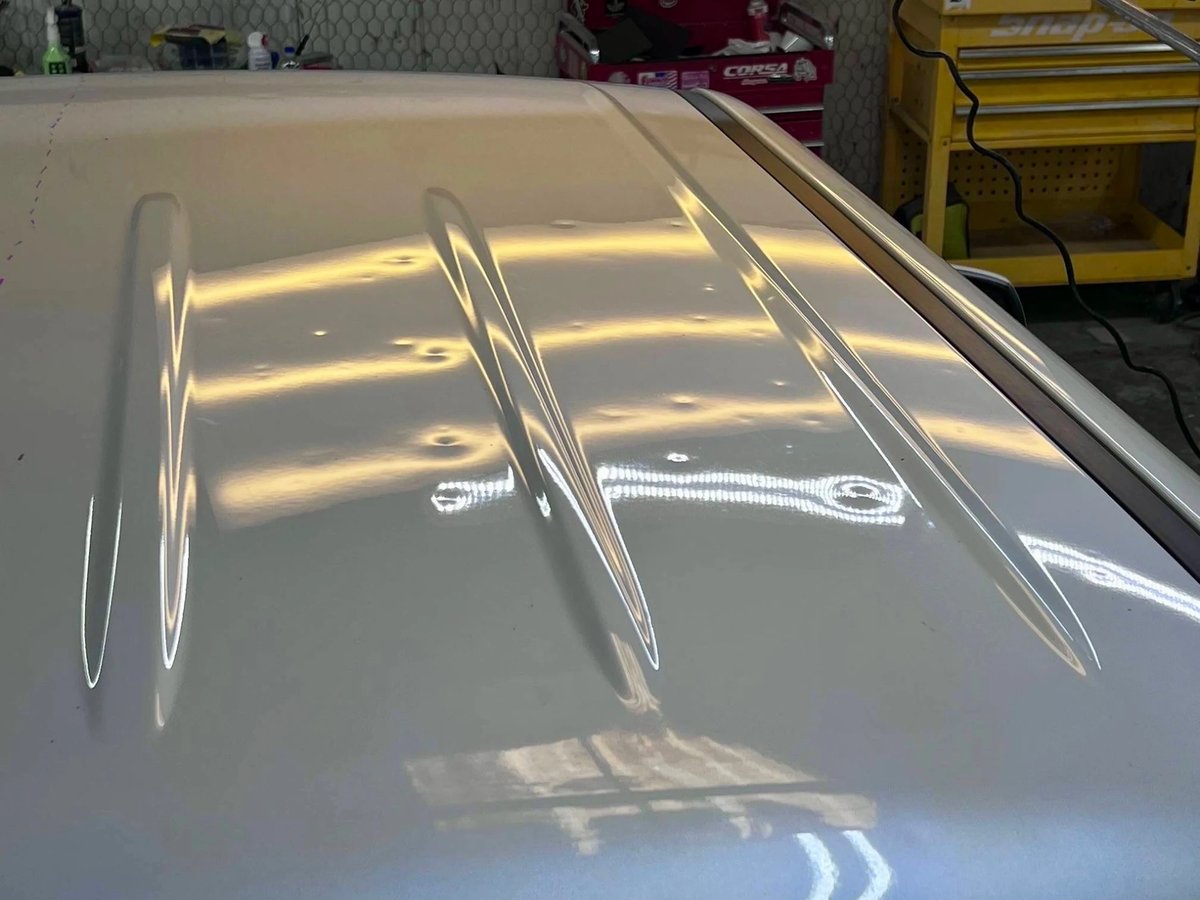
WHAT A CLEAN COMPREHENSIVE CLAIM LOOKS LIKE
Drag the slider. This pickup roof took severe North Texas hail — a textbook comprehensive claim, repaired with paintless dent repair, factory paint preserved, fully documented so it never haunts a future settlement.
 Before
After
Before
After
Roof PDR — A Paid Hail Claim
Pictured: a customer’s Chevy Silverado roof — a full hail claim, paid by the carrier, no repaint needed
Already Filed? Bring Us The Claim Number.
We bill your carrier direct, handle the supplement paperwork, and put you in a free loaner while we work. You picked the shop — Texas §1952.301 makes that your call, not your insurer’s.
What About Two Or Three Hail Claims In A Few Years?
North Texas reality: if you park outside long enough, the sky will find your car more than once. Multiple weather claims are where the honest caveats live. The §5.7016 nonrenewal protection holds for weather claims specifically, but claim frequency is still a rating input — two or three comprehensive claims inside a rating window can shift your tier at renewal, and stacking other kinds of not-at-fault claims two or more deep in a 12-month period weakens the regulatory protection itself.
Our advice from twenty-plus hail seasons: claim real damage, and close every claim with a real repair. The pattern that actually gets people in trouble isn’t two legitimate storms three years apart — it’s cashing a claim check without repairing, then filing again on the same panels after the next storm. Carriers compare the photos. Pre-existing unrepaired damage gets carved out of the second settlement, the file starts looking like a problem, and now the frequency conversation has teeth. A repaired car with documentation resets the board every time.
One warning that belongs in every North Texas hail article: after major storms, door-knocking “hail specialists” will offer to “waive your deductible” and file the claim for you — and inflated storm-chaser claims are precisely the kind that draw carrier scrutiny onto your file. A local shop with a physical address, direct carrier relationships, and honest line-item billing keeps your claim clean. That protects your rates more than any filing strategy.
How To File A Hail Claim Without Hurting Your Rate
Pulling the whole guide into one sequence — here’s how we’d file it if it were our own car:
Step 1 — Photograph The Damage And Note The Storm Date
Shoot the dents panel by panel in bright, indirect light the day you find them, and note the storm date — local news coverage or the National Weather Service storm report for your city is your proof. A documented date ties the damage to one comprehensive event and heads off disputes later.
Step 2 — Get A Written Repair Estimate Before You Open The Claim
A free shop estimate under proper PDR lighting tells you the real number first. If the damage sits at or below your deductible, you can skip the claim entirely — no payout, no CLUE entry. If it runs thousands past the deductible, you file with confidence.
Step 3 — Confirm The Discount Math With Your Agent
Before filing a borderline claim, ask one question: does a comprehensive claim end my claims-free discount? Some carriers only break the discount for at-fault claims; others reset it for any claim. The answer — often worth 10–25% of premium — decides whether a small claim is worth filing.
Step 4 — File Promptly As A Comprehensive Claim
Open the claim within days of the storm, not months, and confirm it’s coded comprehensive — the not-at-fault category that never touches your driving record. Prompt, clearly-dated claims sail through; stale ones invite pre-existing-damage arguments from the adjuster. Our step-by-step claim guide covers the filing mechanics.
Step 5 — Repair Fully At The Shop You Choose, And Keep The Records
Texas Insurance Code §1952.301 lets you pick the repair shop, not your carrier. Repair every claimed panel and keep the invoice: unrepaired hail damage can be deducted from future settlements or excluded when you switch insurers, turning one storm into a permanent coverage problem.
A note on all of the above: policies differ, carriers differ, and this guide is general information from a repair shop that reads a lot of them — not legal or insurance advice for your specific policy. The two people who can give you binding answers are your agent (on discounts and tiers) and TDI (on your rights). What we can give you, free, is the number the whole decision turns on: the written repair estimate.
Common Questions
HAIL CLAIMS & INSURANCE RATES FAQ
Ten questions we hear at the counter every hail season about claims, rates, and what actually shows up on your record.
About The Author
Shah Jiwani — Owner, DG Collision Center
Shah has 30+ years of hands-on DFW collision-repair experience. He joined DG Collision in the 1990s, earned equity over time, and took over as owner in 2005. He is I-CAR Gold Class Certified, PPG Certified Refinish, and Sherwin-Williams Automotive Certified. Every guide on this site is written or reviewed based on what we actually see in the shop — not aggregated from other blogs.
Read Shah’s full bio & credentials →Free · No Obligation
GET THE NUMBER BEFORE YOU FILE
Tell us what you drive and what the storm did. We’ll come back with a written estimate — so you can make the file-or-skip call with the real number in hand.
Prefer to talk now? Call (972) 219-0864 · or text us photos