FILE A CLAIM OR PAY OUT OF POCKET?
Run the math, not the fear. If the repair costs less than your deductible, filing gets you nothing and still creates a record. If another person is involved, you notify your carrier no matter who pays. Everything between those poles is arithmetic — and it starts with a number most people never get: what the repair actually costs.
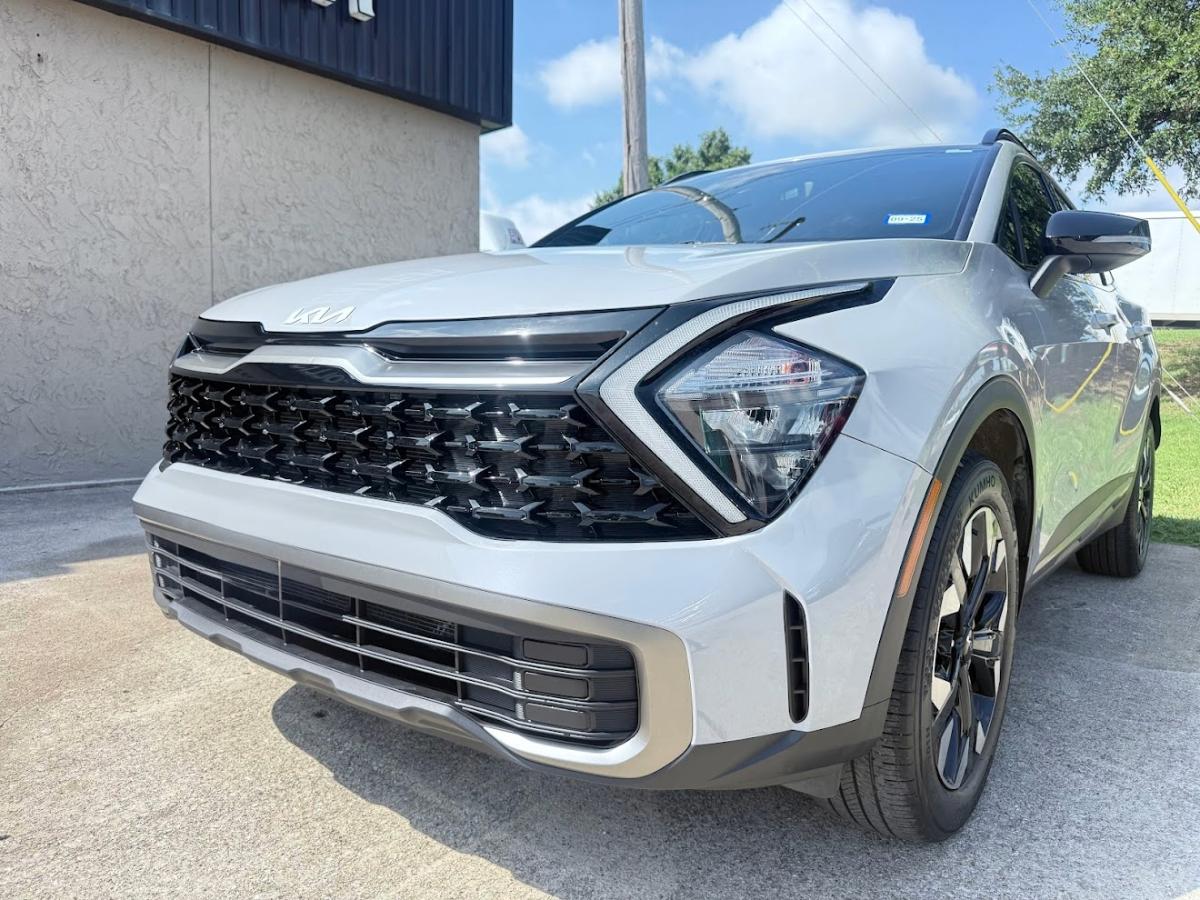
File when the damage clearly beats your deductible or anyone else is involved; pay cash when the repair costs less than — or close to — the deductible on a single-car incident. Claim type matters: hail and weather claims are not-at-fault with renewal protection (28 TAC §5.7016), while at-fault collision claims commonly surcharge at renewal. Get the written number first; the decision is arithmetic, not instinct.
File when the damage clearly beats your deductible or anyone else is involved; pay cash when the repair costs less than — or close to — your deductible and it’s a single-car incident. Claim type matters in Texas: hail and other weather claims are comprehensive, not-at-fault claims — 28 TAC §5.7016 bars insurers from refusing renewal solely over them — while at-fault collision claims commonly surcharge at renewal for about three years. Claims sit in the industry CLUE database about seven years. And the whole decision runs on one number most people never get first: the actual repair cost. A written estimate is free and involves no insurance company.
- Below the deductible: never file — the claim pays $0 and still creates a record.
- Anyone else involved: notify your carrier promptly even if you pay your own damage cash — late notice can jeopardize coverage if they claim later.
- Hail & weather: nonrenewal protection under 28 TAC §5.7016; a single comprehensive claim rarely moves an individual rate — though Texas has no statutory ban on comp surcharges.
- At-fault collision: expect a renewal surcharge — weigh roughly three years of increases against the payout.
- Records: CLUE keeps claims about seven years; even a withdrawn claim can remain as a $0 entry.
The Question Behind The Question
“Should I file a claim for this?” is really two questions wearing one coat: what does this damage actually cost to fix, and what does filing actually cost me later? Most people answer both by guessing — they eyeball the dent, imagine a rate explosion, and decide from fear in the insurance company’s parking lot. Half of them pay cash for damage their coverage should have handled; the other half file $700 claims that pay a few hundred dollars and follow them for years.
Both numbers are knowable. The repair side is a written estimate — free, fifteen minutes, and no insurance company hears about it unless you later choose to file. The claim side is a handful of Texas rules that this guide lays out plainly: which claim types actually move rates, what the CLUE database remembers, and the one scenario where reporting isn’t optional at all.
We built an interactive version of this exact decision — the repair cost estimator walks the damage, the published price range, and the cash-vs-claim question in about 30 seconds. This guide is the full reasoning behind it, with the deeper dives living in our rates guide and deductible guide.
The Deductible Breakeven
Start with the mechanical floor: a claim pays the repair cost minus your deductible. Repair below the deductible? The claim pays zero — and still creates a record. Repair barely past it? You’d trade a claim entry and possibly a claims-free discount for a few hundred dollars. Repair at multiples of it? Now the coverage is doing what you bought it for. Here’s that logic run against our published DFW price tables:
cash PDR — hail cost guide
collision repair page
collision repair page
hail cost guide
hail cost guide
collision repair page
Every range above is a published row from our collision repair page or hail cost guide — the same tables our estimator tool runs on. Your car’s exact number needs eyes on the damage, which is what the free estimate is for.
Not All Claims Rate The Same
Your policy is two products wearing one premium. Collision covers your car in a crash, including the ones that were your fault. Comprehensive covers what happens to the car — hail, flood, theft, vandalism, the deer on FM 407. Carriers rate them differently because one predicts your future driving and the other mostly predicts the weather.
Comprehensive claims are the gentle kind. Texas rule 28 TAC §5.7016 bars insurers from refusing to renew a personal auto policy solely because of weather-related claims, and a single comprehensive claim rarely moves an individual premium. Stated honestly: no Texas statute forbids a comp surcharge — the protection is against nonrenewal, not rate changes — but in practice the cost of a hail claim is usually the loss of a claims-free discount (often 10–25%), not a punitive rate hike. The ZIP-code-wide base-rate increases that follow big storm years hit everyone, filers and non-filers alike. The full picture — including when multiple claims lose the protection — is in our hail claims and rates guide.
At-fault collision claims are the chargeable kind. Expect a surcharge at renewal that typically follows you for about three years, and shop-quote comparisons that see the claim in CLUE the whole time. That’s why the small at-fault claim — a backing accident that lands a few hundred dollars past the deductible — is the worst deal in insurance: minimum payout, full-size consequences. Big damage flips it: nobody should cash-flow a $7,000 quarter-panel repair to protect a discount worth a fraction of that.
Deciding Blind? Get The Number First.
Text us photos or swing by — a written estimate while you wait, no insurance company involved. If cash is the smarter play, we’ll say so.
The One Case Where You Always Call Your Carrier
Everything above assumes the only damage in the story is yours. The moment another person is involved — their car, their fence, their mailbox, any possible injury — the cash-vs-claim math stops applying to the reporting decision. Your policy requires prompt notice of accidents, and that duty exists precisely for the scenario people don’t see coming: the other driver who seemed fine at the scene and shows up through a lawyer months later.
Texas gives them room to do it — up to two years to bring a claim. If your carrier first hears about the crash at month eight, you’ve handed them an argument that late notice prejudiced their ability to investigate and defend you — a fight you don’t want attached to the coverage you’ve been paying for. Notifying your carrier is not the same as filing a damage claim on your own car. You can report the incident, let them open a file, and still pay for your own bumper in cash. The report protects you; the repair decision stays yours.
Single-car damage is the clean case: the pole, the garage pillar, the shopping cart, the hailstorm. Nobody else has a claim against you, no notice duty is in play for practical purposes, and the file-or-pay decision belongs entirely to the arithmetic. What that arithmetic looks like at the scene — photos, the CR-3 report, when a police report is required at all — is covered in our after-an-accident guide.
Real Results
WHY PHOTO GUESSES DECIDE WRONG
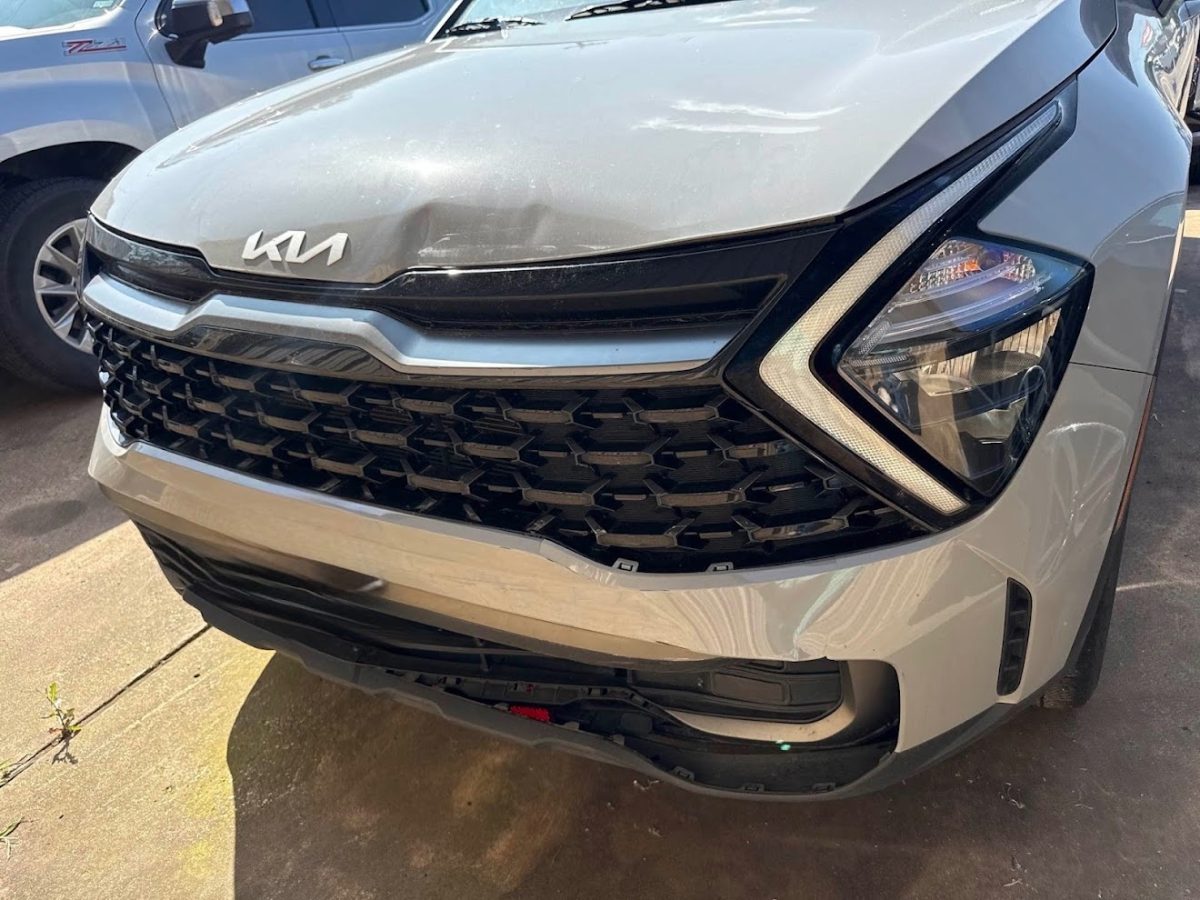
Drag the slider. This customer’s RAV4 came in with front bumper, grille and hood damage — the classic case where what the photo prices is the cover, and what the repair costs is decided by what’s behind it. Knowing the real number up front is what turns file-or-pay from a gamble into arithmetic.
 Before
After
Before
After
Front Bumper & Hood — Claim Or Cash?
Pictured: a customer’s Kia Sportage — the moderate front hit that sits right on the claim-or-pay line
What Cash Repairs Actually Cost
The cash lane is bigger than people think. From our published tables: single dents run $75–200 per dent with cash paintless dent repair — plus R&I trim labor when panels or trim must come off for access — and minor dents and scratches run $300–800. A season’s worth of parking-lot wear often totals less than one deductible. (And when the dent is a stranger’s bumper rather than wear, our parked-car guide maps the note law and who pays.) The PDR vs body shop guide covers which damage qualifies for the cheap fix and which needs paint.
Two honest notes for the borderline zone. First, if you do file, deductible assistance can shift the breakeven: on Texas auto claims a shop may legally absorb part of the deductible from its own margin — with everything billed to the insurer 100% honest — which makes filing cheaper than the sticker deductible suggests. The legal mechanics are in our deductible guide. Second, whichever way you go, keep the paperwork: a cash-repair invoice and photos prove at trade-in — and on any future claim — that the damage was fixed properly, not painted over.
And if you’re holding an insurance check while reading this, deciding whether to cash it and skip the repair entirely — that’s a different question with its own trap doors, covered in our keep-the-check guide.
Cash Job Or Claim — Same Repair Quality
Lifetime warranty, OEM procedures, and a written invoice either way. If you file, we bill your carrier direct and handle the supplements; if you pay cash, you get the same honest number we’d put in front of an adjuster.
File Or Pay Cash? Decide In Five Steps
The whole guide, compressed into the sequence we’d run on our own car:
Step 1 — Rule out the non-decision: anyone else involved?
If another person’s car, property, or body was part of the incident, notify your carrier promptly no matter who pays for your repair. The cash-vs-claim question is only truly yours on single-car damage — a pole, a garage pillar, hail, a shopping cart.
Step 2 — Get the real repair number — before touching the claim
A written shop estimate is free and involves no insurance company. Photo guesses mislead in both directions: a scary-looking scrape can be a $300 fix, and a clean-looking bumper can hide $2,400 behind the cover. Every decision downstream depends on this number.
Step 3 — Compare against your deductible
Repair at or below the deductible: pay cash — filing pays $0 and still creates a record. Within a few hundred past it: usually cash, because the small payout isn’t worth the claim entry and discount risk. Well past it: keep going to step four.
Step 4 — Weigh the claim type, not just the amount
Comprehensive claims — hail, weather — are not-at-fault, and Texas rule 28 TAC §5.7016 bars nonrenewal solely over them; a single one rarely moves an individual rate. At-fault collision claims commonly surcharge at renewal for about three years — weigh that against the payout before filing.
Step 5 — Decide, and close it cleanly
Filing? Report promptly with photos and the estimate in hand. Paying cash? Keep the invoice and photos — proof for resale and for any future claim that the damage was repaired properly. Either way the decision was made on arithmetic, not fear.
Standard honesty footnote: policies, carriers, and rating plans vary, and this is general information from a repair shop — not insurance or legal advice for your situation. Your agent can tell you exactly how your carrier treats a given claim type. What we can give you free is the half of the decision they can’t: the real repair number.
Common Questions
CLAIM OR CASH FAQ
Ten questions we hear from customers standing at the counter doing this exact math.
About The Author
Shah Jiwani — Owner, DG Collision Center
Shah has 30+ years of hands-on DFW collision-repair experience. He joined DG Collision in the 1990s, earned equity over time, and took over as owner in 2005. He is I-CAR Gold Class Certified, PPG Certified Refinish, and Sherwin-Williams Automotive Certified. Every guide on this site is written or reviewed based on what we actually see in the shop — not aggregated from other blogs.
Read Shah’s full bio & credentials →Free · No Obligation
GET THE NUMBER BEFORE THE DECISION
Tell us what you drive and what happened. We’ll come back with the real repair number — no insurance company involved unless you choose to file.
Prefer to talk now? Call (972) 219-0864 · or text us photos