AGREED VALUE POLICY? REPAIRED TO THE NUMBER YOU AGREED ON.
Hagerty, Chubb, Cincinnati, and every collector carrier in between — an agreed value policy is a documentation relationship, and so is a proper repair. Your car’s value was established with photos, appraisals, and paperwork; a claim either continues that documented story or damages it. We repair to the standard those carriers expect — genuine parts argued in writing, every stage photographed, the file delivered with the car — and Texas Insurance Code §1952.301 keeps the shop choice where collector carriers already put it: with you.
Collector and agreed value claims are the friendliest territory in insurance — if you know your paperwork. Agreed value (Hagerty’s version is called Guaranteed Value) means you and the carrier fixed your car’s worth when the policy was written, from appraisals and photos — and on a covered total loss you receive that full amount, no depreciation. Do not confuse it with stated value, the fine-print trap: a stated value policy pays the stated amount or actual cash value, whichever is lower — the number on your application is a ceiling there, not a promise. One word on your declarations page decides which world you live in; check it before you ever need it. On the repair side, collector carriers are built around specialist shops: Chubb publishes that you choose the repair facility (and offers cash settlement up to the policy limit on total losses), Hagerty’s whole model assumes enthusiast-grade work, and Cincinnati’s private-client practice insures collections it describes as art on wheels — while in Texas, Insurance Code §1952.301 backs your shop choice in law on every policy. What we bring is the half the policy can’t: a repair documented like the asset it protects — teardown photographed, genuine parts argued in writing, every stage recorded into a file that goes home with the car, because the same documentation that set your agreed value is what protects it at the next renewal. Free loaner, written lifetime warranty, direct billing to every carrier named here — your out-of-pocket is your deductible, which on many collector policies runs low or zero.
- Agreed value pays the number — fixed when the policy was written, paid in full on a covered total loss. Hagerty calls it Guaranteed Value; Chubb and Cincinnati write it too.
- Stated value is the trap — it pays the stated amount or actual cash value, whichever is lower. One word on the declarations page separates the two.
- Shop choice is native here — Chubb publishes it, collector carriers assume it, and §1952.301 makes it Texas law besides.
- The repair is documentation — your value was set with paperwork; the repair continues it: photographed teardown, genuine parts, a delivered file.
- Protect the number at renewal — a documented, quality repair keeps the car’s story intact; an undocumented one invites questions.
- Low friction, low deductibles — many collector policies carry small or zero deductibles; check your declarations, and bring us the claim number.
How Collector Claims Work At An Independent Shop
An agreed value policy starts where ordinary insurance ends: with a number you and the carrier fixed together, backed by documentation, before anything ever happened. Hagerty’s Guaranteed Value pays that full insured amount on a covered total loss — no depreciation. Chubb writes the agreed number into the policy, publishes that the repair facility is your choice, and offers a cash settlement up to the policy limit if a totaled car won’t be rebuilt. Cincinnati’s private-client practice insures collections it frames as art on wheels, at agreed value. Different companies, one philosophy: the car’s worth is settled by evidence, in advance — which is exactly why these are the best claims in the business to run through a shop that treats evidence as the product.
Because here’s the part the policy can’t do for you: the repair itself either continues your car’s documented story or interrupts it. The same appraisal-and-photos discipline that set your agreed value is what a collector-grade repair looks like from the inside — the damage photographed before teardown, every hidden finding itemized on the lift, genuine parts argued to the adjuster in writing under Texas Insurance Code §1952.301, the refinish matched records-first and proven on a sprayout card, and the completed work photographed into a file that goes home with the car. That file is what protects the agreed number when renewal comes, what answers a future buyer’s questions before they’re asked, and what separates a repaired collector car from a car with a past. We already run this discipline daily across our luxury program and the forty-eight brand pages behind it.
Weighing a claim against paying cash, or wondering what a repair does to value? Our diminished value guide and file-or-pay guide walk both questions honestly before you commit to anything.
Agreed, Stated, Actual Cash — The Three Numbers That Decide Your Payout
One word on your declarations page decides which row you live in — and the difference between “agreed” and “stated” can be tens of thousands of dollars on the worst day of your ownership. Read the declarations page now, while it’s cheap to fix. If it says stated value on a car that deserves agreed value, that’s a phone call to your agent this week — not a discovery to make at a total loss. And if you’re not sure what your documentation should look like for an agreed-value application, the photographed repair files we deliver are exactly the kind of evidence those underwriters like to see.
Your Collector Claim, Step By Step
The stage that decides your experience is #5 — the file. On an ordinary car the paperwork ends when the check clears; on a collector car, the delivered documentation is part of the vehicle now, and it works for you at every renewal and every future sale. The mechanics live in our supplements guide and diminished value guide.
Real Results
THE DOCUMENTATION STANDARD, APPLIED
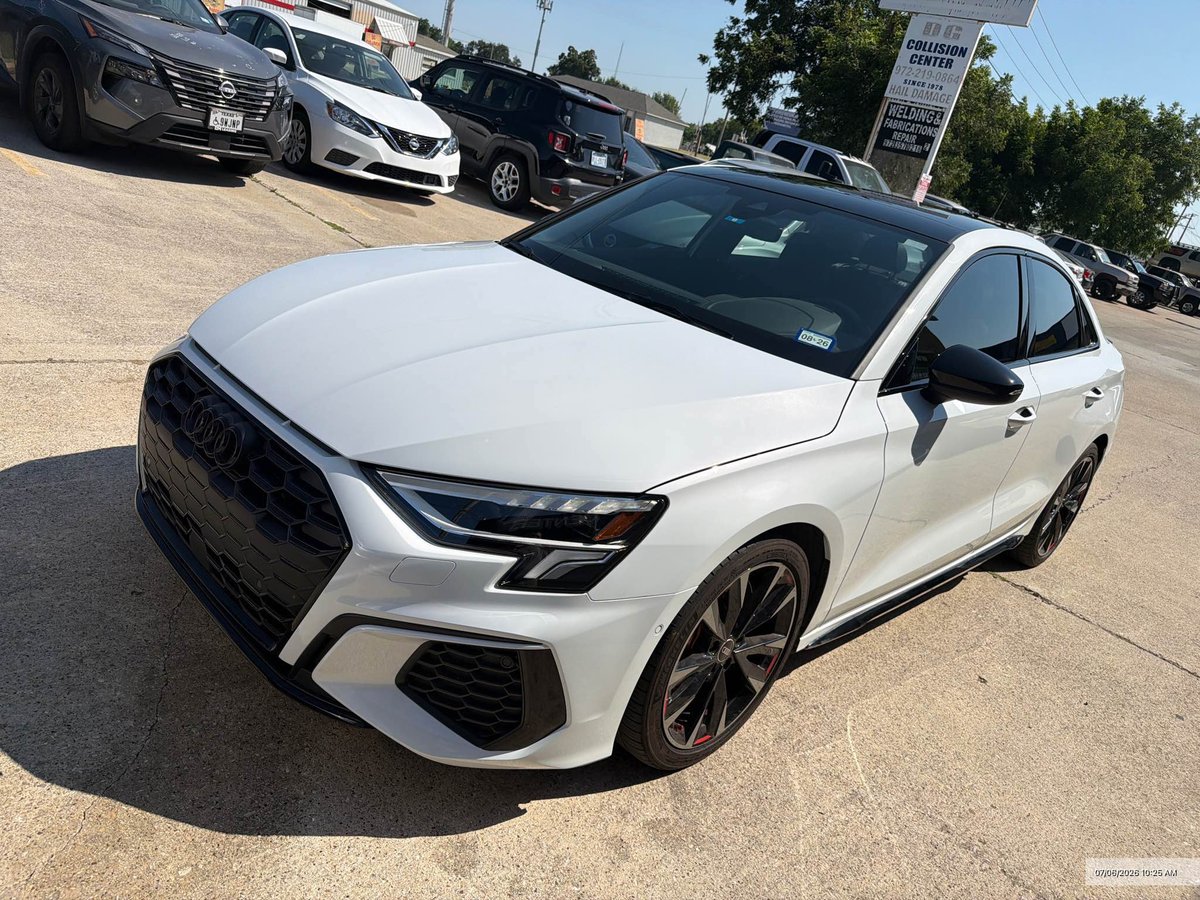
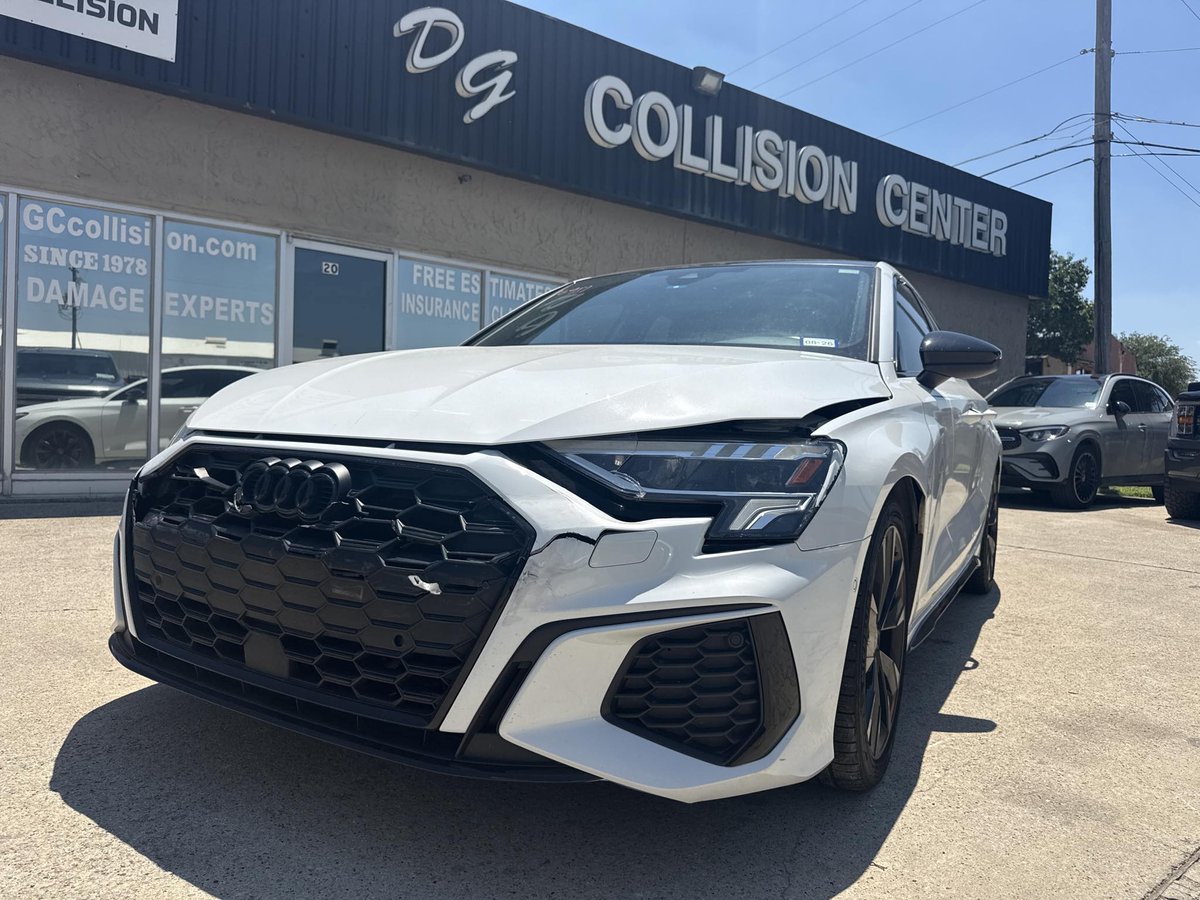
Drag the slider. A performance car’s front-end rebuild — photographed, itemized, and argued line by line, the way every collector claim deserves.
 Before
After
Before
After
Performance Front-End Rebuild — Fully Documented
Pictured: a customer’s Audi S3 — torn down, photographed, and supplemented from a modest opening estimate into the complete documented repair; the same evidence-first discipline every collector claim here receives
Collector Claim — Or A Car That Deserves One?
Text a few photos with the year, model, and carrier — we’ll tell you honestly what the repair involves, what the documentation should capture, and whether your declarations page says the word that matters. Realistic answers, usually within minutes during shop hours.
Common Questions
AGREED VALUE & COLLECTOR CLAIMS FAQ
Free · No Obligation
START YOUR AGREED VALUE REPAIR
Claim filed or not — tell us what you drive and what happened, and we’ll call back with the real number and next steps.
Prefer to talk now? Call (972) 219-0864 · or text us photos
If the claim fights back: how long an adjuster can take · a denied claim · disputing a total-loss value · your new appraisal rights
Hagerty®, Chubb®, Cincinnati Insurance, and all carrier names on this page are trademarks of their respective owners. DG Collision Center is an independent repair facility and is not affiliated with, sponsored by, or endorsed by any insurance carrier named on this page. References are for factual identification only.