BUMPER REPAIR, LEWISVILLE TX — YOUR CAR HAS TWO BUMPERS. WE READ BOTH.
The bumper you see is a painted plastic cover. The bumper that protects you — the reinforcement beam and energy absorber — lives behind it, and so does the honest answer to every bumper question: repair or replace, $300 or $2,500, cash or claim. A scuffed corner that needs refinish and a “little rear-ender” that crushed the absorber can look nearly identical from the curb. We take the cover off, read what’s behind it, and put the whole answer in writing — published prices, sensors handled, written lifetime warranty.
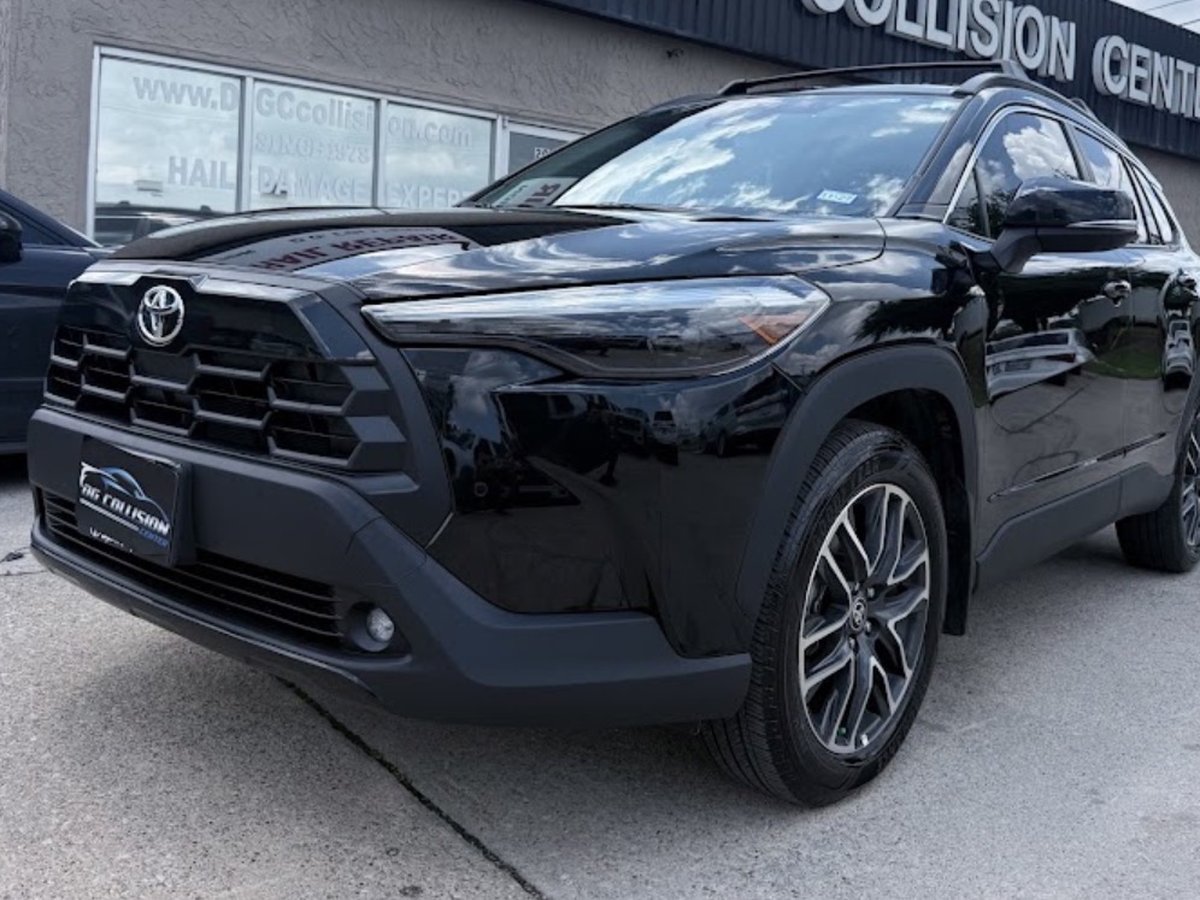
Bumper repair in Lewisville, priced from published rows: cover respray work runs $500–$1,200 — always the full cover, because spot-blended bumpers flake; full replacement — new cover, brackets, sensors, color-matched paint — runs the published $1,000–$2,500. Which one you need is decided behind the cover: modern cars carry two bumpers — the flexible painted cover you see, and the reinforcement beam with its energy absorber underneath, the part actually engineered to take the hit. That’s what “R&I bumper cover” on an estimate means: remove and install — the cover comes off so the absorber, beam, mounting tabs, and sensors get read before anyone commits to a number. Scuffs, curb rash, and small cracks in the plastic are honestly repairable; a crushed absorber or bent beam gets replaced even when the cover looks fine — the invisible bumper is the one that matters in the next hit. Parking sonar and blind-spot radar ride in bumper corners now, so calibration through our specialist partners is scheduled inside the repair timeline whenever the work calls for it. A single scuff usually lands near a typical deductible — our file-or-pay guide and cost estimator run that math honestly. Text a photo to (817) 907-2822 for the first read. Written lifetime warranty, Lewisville since 1978.
- Two bumpers — the cover you see, the structure that protects you behind it. No bumper estimate is real until both have been read.
- Published prices — full-cover respray $500–$1,200, replacement with paint $1,000–$2,500: the same rows printed on our collision page for everyone.
- “R&I bumper cover,” decoded — remove and install. The cover comes off so what’s behind it gets inspected. Diagnostic honesty, not estimate padding.
- Sensors live in bumpers now — parking sonar and blind-spot radar in the corners; calibration through our specialist partners, scheduled inside the repair timeline.
- Cash usually beats a claim on a scuff — corner refinish often lands near most deductibles; we’ll say so before anyone files anything.
- One standard — a $400 corner refinish gets the same daylight paint read and the same written lifetime warranty as a full front-end rebuild.
Your Car Has Two Bumpers — And The Estimate Isn’t Real Until We’ve Read Both
What everyone calls “the bumper” is really a system. On the outside: a flexible, painted plastic cover, styled to disappear into the bodywork — which is why a modern car doesn’t look like it has bumpers at all. Behind it: an energy absorber and a reinforcement beam bolted to the car’s structure — the parts actually engineered to take a low-speed hit and be replaced afterward. The cover takes the scuffs and the paint scrapes; the structure takes the energy. They fail separately, they’re priced separately, and only one of them is visible from the curb.
That’s the whole reason bumper estimates go wrong. A parking-pole rub that needs a $400 refinish and a parking-lot rear-ender that crushed the absorber can look nearly identical standing in the driveway — a scraped corner, a scuffed skin. One is cosmetic; the other has spent hardware hiding under undamaged-looking plastic, quietly waiting to do nothing at all in the next hit. A bumper estimate written from the curb is a guess. Ours comes off the car. If someone else put the damage there — a parked-car hit, a driver who left — the money side has its own path: our car-hit-while-parked guide walks it.
What’s honestly repairable on a cover: scuffs, curb rash, paint scrapes, and small cracks — flexible plastic takes plastic repair and refinish work well, off our published ranges. What forces replacement: plastic torn or crushed past what a repair can restore, sheared mounting tabs beyond saving, a crushed absorber or bent beam behind an intact-looking cover — absorbers are built to spend themselves once, so a crushed one gets replaced, not reshaped. And a dented metal panel next to the bumper is a different job with its own page: dent repair & PDR.
“R&I Bumper Cover” — The Estimate Line, Decoded
If a bumper estimate has ever confused you, it’s probably this line. R&I means “remove and install” — the labor to take the cover off the car and put it back on. It shows up on almost every real bumper repair, and it isn’t padding; it’s how the job gets done right, three ways. First, inspection: the absorber, beam, tabs, brackets, and wiring behind the cover can only be read with the cover off — R&I is how hidden damage gets found before it gets painted over. Second, paint quality: a cover refinished off the car gets coverage into every edge and recess that taped-off-on-the-car work misses. Third, the sensors: unplugging, transferring, and re-seating them happens with the cover on a bench, not in the air. On our estimates the R&I line is in writing before work starts — and our estimate-reading guide decodes the rest of the page the same way.
About those sensors: bumpers stopped being dumb plastic years ago. Rear parking sonar rides in the cover’s face; blind-spot radar sits in the rear corners; front systems live in and around the front fascia. Which means a bumper repair that ends at “paint matches, looks great” isn’t finished — when the work disturbs a sensor, calibration through our specialist partners is scheduled inside the repair timeline, and the printed calibration report is verified by us before delivery. The full picture of what calibrates and when lives on our ADAS calibration page, with its published price ranges.
On an insurance claim, the look-behind has a name: teardown. Photo estimates price the visible cover; the absorber and beam get documented once the cover is off, and the difference gets billed on the same claim through a supplement — photographed, itemized, handled by us. That’s standard process, not a problem — and it’s why the first number on a rear-ender is an opening number, never the final one.
One Bumper, Start To Finish
The daylight read is the same standard our full collision work answers to — a bumper corner blends into its fender and quarter, so the finish is checked where those panels meet, in real light, before you ever see the car.
What Bumper Repair Costs In Lewisville
Cash or claim? A single scuffed corner usually prices near a typical deductible — often under it — which makes cash the smart play more often than people expect, and we’ll say so plainly. A rear-ender with the absorber involved is a different animal: real hidden damage, a supplement on the claim, and your out-of-pocket typically your deductible, once. The file-or-pay guide and the cost estimator run both paths with published numbers — before anything touches your claim history.
Real Results
READ FROM BEHIND THE COVER
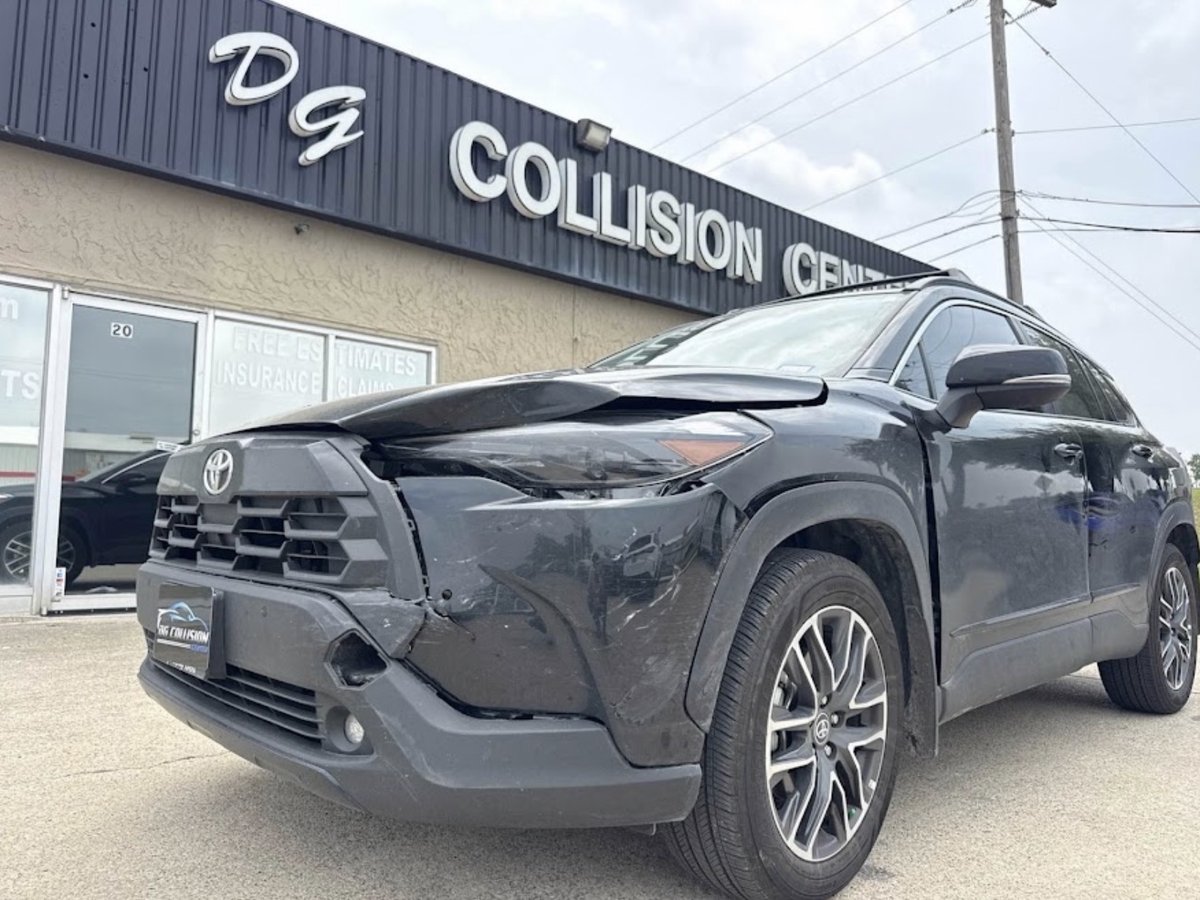
Drag the slider. A front-end hit off the everyday commute — cover off, structure read and documented, rebuilt and refinished to the daylight standard.
 Before
After
Before
After
Front-End Hit — Cover, Structure & Finish
Pictured: a customer’s Toyota RAV4 — bumper, grille, and hood rebuilt; the cover came off, everything behind it was read and documented, and the claim was billed direct. The customer paid their deductible and nothing else
Scuffed Corner? Cracked Cover? Send A Photo.
One picture gets the honest first read — refinish it, replace it, or look behind it — with published numbers attached, before anyone files anything. If cash beats a claim, we’ll tell you that too.
Common Questions
BUMPER REPAIR FAQ
Free · No Obligation
START YOUR BUMPER REPAIR
Claim filed or not — tell us what you drive and what happened, and we’ll call back with the real number and next steps.
Prefer to talk now? Call (972) 219-0864 · or text us photos
Bumper Repair Near You
We handle bumper repair directly for these cities, priced after the cover comes off:
Bumper repair in The Colony · Bumper repair in Carrollton