PAINTLESS DENT REPAIR & DENT REMOVAL, LEWISVILLE TX — FROM ONE DOOR DING TO A HAIL-DENTED HOOD.
Most body shops price small dents like they’d rather not do them. We publish our number: cash PDR runs $75–$200 per dent (plus trim R&I labor when panels or trim have to come off for access — we’ll tell you before we touch anything). Door ding, parking-lot crease, shopping-cart dent, a knee-height mystery from the grocery store — text us a photo and you get an honest answer: PDR it, refinish it, or leave it alone. Factory paint preserved when PDR qualifies, written lifetime warranty either way, and the same I-CAR Gold Class floor that rebuilds wrecks takes your one dent seriously. Esta página en español →
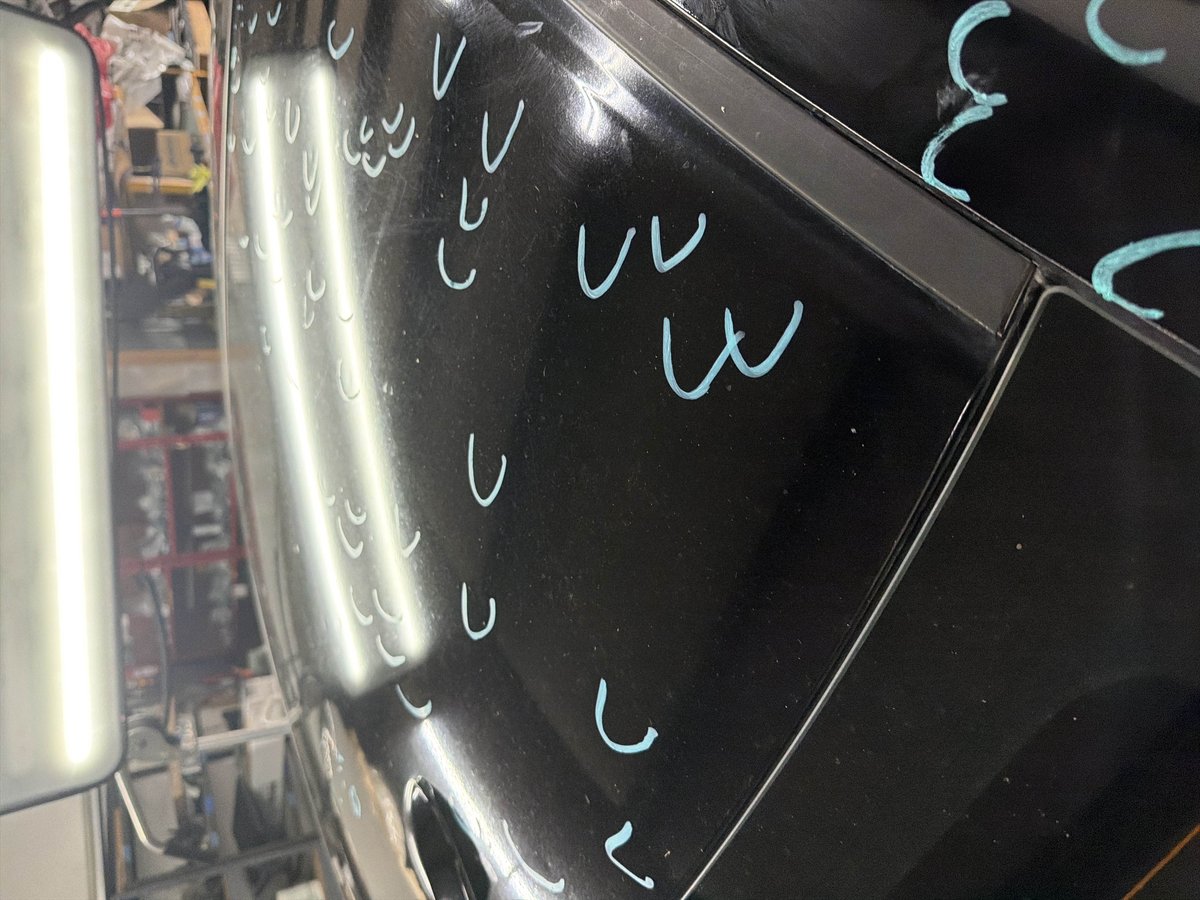
Dent repair in Lewisville, honestly priced: paintless dent repair (PDR) runs $75–$200 per dent cash — plus trim R&I labor when panels or trim must come off for access, quoted before work starts. PDR is metalwork, not bodywork: the technician reaches the back of the panel through factory openings (or after removing trim) and massages the metal level under reading lights, so your factory paint stays untouched. It works because steel has memory — shallow dents with intact paint want to return to shape. Cracked paint, sharp creases, panel edges, or old filler mean conventional repair instead: our published collision-page ranges put minor dent-and-scratch refinish work at $300–$800 and full fender or door panel repair at $1,500–$3,800. Most single dents land below a typical insurance deductible, so cash is usually the smart play — our file-or-pay guide and cost estimator run the math honestly. Text a photo of the dent to (817) 907-2822 and we’ll tell you which repair it needs — including when the answer is “this one’s not worth fixing yet.” Written lifetime warranty, free loaner if the job needs one, Lewisville since 1978. A whole hood of hail dents is its own page: hail damage repair. And this entire page exists in Spanish: reparación de abolladuras en español.
- $75–$200 per dent, cash PDR — published, not negotiated in the parking lot; R&I trim labor added only when access requires it, told to you first.
- Factory paint preserved — PDR never touches the finish, so there’s no repaint on the panel and nothing for us to report — DG never reports repairs to Carfax (only carriers do).
- The honest disqualifiers — cracked paint, sharp creases, panel edges, old filler: those need refinish work, and we say so up front.
- Cash beats a claim on most single dents — they usually price below your deductible; we’ll do the math with you before anyone files anything.
- Aluminum is different — it work-hardens and has less memory than steel; deeper aluminum dents cross into body-shop territory sooner. F-150 owners, that’s your hood.
- One standard — the smallest job in the shop gets the same lighting read, the same warranty, and the same delivery inspection as a full rebuild.
The Smallest Job In The Shop, Taken Seriously
Here’s a quiet truth about the collision business: most shops don’t want your door ding. A single dent doesn’t feed a paint booth or an insurance supplement, so small jobs get quoted high enough to make them go away — or worse, get talked into a full refinish they never needed. That’s why we publish the number instead: cash PDR at DG runs $75–$200 per dent, plus trim R&I labor only when the dent’s location means panels or trim have to come off to reach it — and you hear that before work starts, not on the invoice.
The dents we’re talking about are the ones DFW hands out daily: the door edge in a Grandscape or Belt Line parking lot, the runaway cart at the grocery store, the crease from a pipe gate that swung back, the mystery dent that appeared overnight at knee height. Each one has a right answer — and the right answer isn’t always “repair it.” Sometimes it’s PDR for well under what you feared; sometimes it’s honest refinish work off our published collision ranges; and sometimes it’s “this is cosmetic, it isn’t rusting, and you can leave it alone with a clear conscience.” You’ll get whichever answer is true.
If someone else put the dent there — a parked-car hit, a fled driver — the money side changes: our car-hit-while-parked guide walks who pays and when a claim makes sense. And if what you actually have is a hood full of hail, that’s a different job with its own math: start at hail damage repair.
PDR Or Refinish — How We Make The Call
Paintless dent repair is metalwork, not bodywork. Steel remembers its shape — a shallow dent with intact paint wants to come back. The technician gains access to the back side of the panel through factory openings, or by removing interior trim (that’s the R&I labor in the price), and massages the metal level in hundreds of small pushes under a PDR reading light — a striped board that exaggerates every distortion in the reflection so nothing gets called done that isn’t. Where there’s no rear access, the dent is glue-pulled from the front: a plastic tab glued to the dent’s center, pulled with a lifter, the raised metal tapped level. Your factory paint never gets touched — which is exactly why PDR protects resale value, and why insurers themselves prefer it whenever damage qualifies.
And here’s where we’ll talk you out of it. Four things disqualify a dent from PDR, and no honest shop pretends otherwise: cracked or chipped paint (the finish is already broken — massaging the metal can’t heal it), sharp creases (the metal’s memory is torn, not stretched), panel edges (no room to work the metal), and old body filler (previous repairs reroute the metal’s memory). Those dents get conventional repair — filler where appropriate, refinish blended until it disappears, checked across lighting conditions before delivery. Aluminum panels play by stricter rules: aluminum is stiffer, work-hardens as it’s pushed, and has less memory than steel, so deeper aluminum dents cross into body-shop territory sooner — F-150 hoods and tailgates live on our aluminum page. The full decision framework, with the cost math side by side, lives in our PDR vs. body shop guide.
Paintless Dent Repair For Hail Damage
Hail is where paintless dent repair does its biggest work. A hailstone leaves exactly the kind of dent PDR was built for — round, shallow, paint usually intact — just dozens or hundreds of them at once. The same reading-light, push-and-read technique that levels one door ding levels a hail-dented hood, roof and trunk lid, panel by panel, with the factory paint left alone. A full-vehicle hail job done with PDR typically takes 3–7 days, and the honest disqualifiers above still apply dent by dent: cracked paint, sharp creases or panel-edge hits get conventional repair on that panel.
Cost follows the count. Cash PDR runs $75–$200 per dent for dents up to about half-dollar size, plus trim R&I labor when access requires it; oversized dents are priced after inspection. Light hail on one or two panels runs $750–$1,500, and a typical full-vehicle hail claim lands at $5,000–$12,000 — the full tier table lives in our DFW hail repair cost guide. Most hail repairs go through comprehensive coverage, and we offer deductible assistance on qualifying comprehensive hail claims — the terms are spelled out on our hail damage repair page. Not sure the storm did enough to matter? What size hail damages a car walks through the size-to-damage line, and a free dent count under the lights settles it.
One Dent, Start To Finish
That last step isn’t ceremony. A dent repair is finished when the reflection runs unbroken down the panel in daylight — not when the shop says so. It’s the same standard our full collision work answers to; your door ding just gets there faster.
What Dent Repair Costs In Lewisville
These are the same ranges published on our collision repair page and hail cost guide — one price list, everywhere. The claim question, honestly: most single dents land below a typical deductible, which makes cash the smart play — and unlike some shops, we’ll actually say so. When damage is bigger, or someone else caused it, the math changes; our file-or-pay guide walks it through, and the repair cost estimator gives you a range from these published rows in about a minute.
Paintless Dent Repair Across DFW
Every dent is repaired at our shop at 693 Metro Park Cir #20 in Lewisville — paintless dent repair is done in-house, never subbed out. Drivers bring dents from across Denton County and the DFW suburbs, and free pickup reaches 75 miles, so “dent removal near me” usually means a short drive or none at all.
Paintless dent repair by city: The Colony · Carrollton · Plano · Denton · Frisco · McKinney · Irving · Keller · Coppell · Southlake · Grapevine.
Hail damage repair by city — each page carries that city’s own hail history: Flower Mound · Highland Village · Denton · Lake Cities · The Colony · Little Elm · Frisco · Carrollton · Coppell · Grapevine · Southlake · Argyle & Lantana · Plano · Irving · Farmers Branch · Addison · Keller · Trophy Club & Roanoke · McKinney · Prosper · Aubrey & Pilot Point.
Real Results
METAL MEMORY, READ UNDER THE LIGHTS
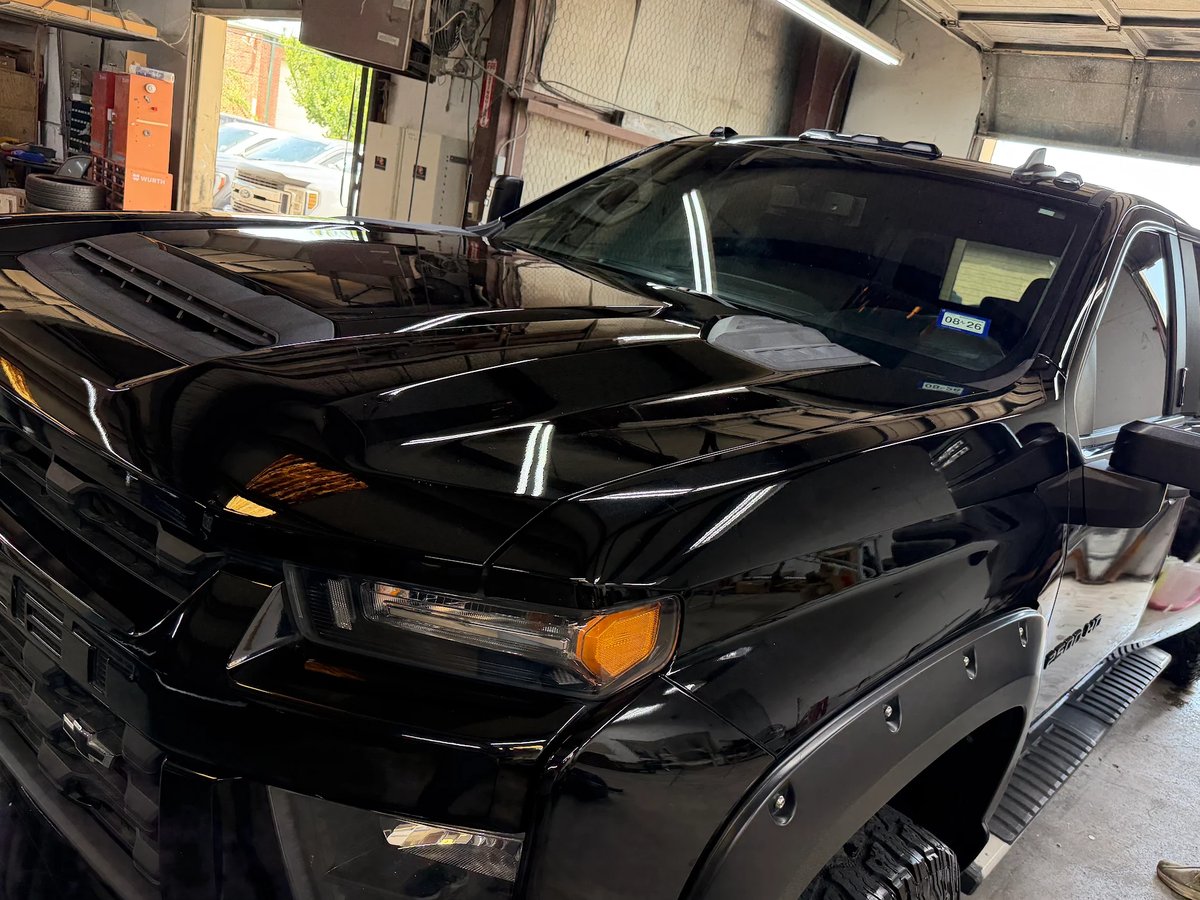
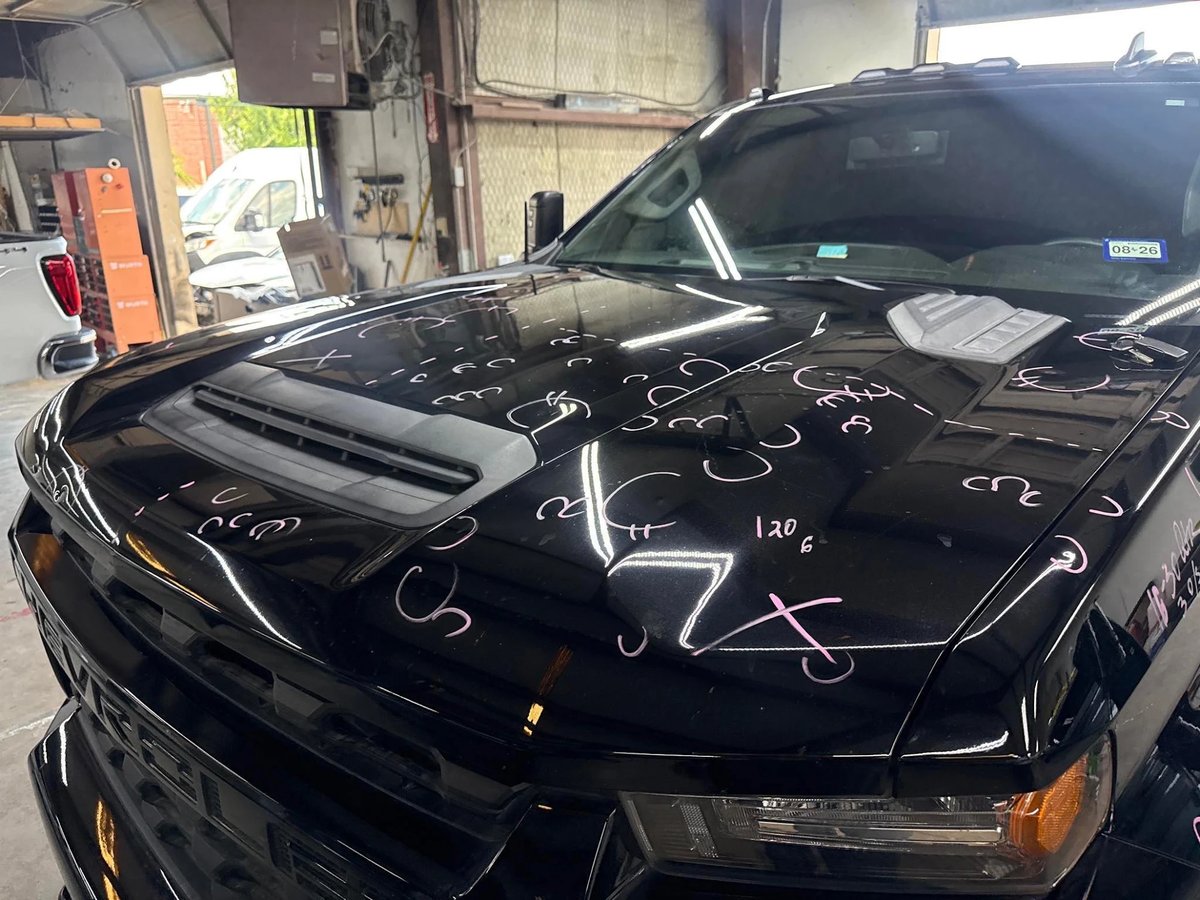
Drag the slider. Pictured: a customer’s Chevy Silverado hood under paintless dent repair — a hail job, but the push-and-read technique is identical whether the panel holds one dent or a hundred.
 Before
After
Before
After
Silverado Hood — Every Dent Found, Factory Paint Kept
Pictured: a customer’s Chevy Silverado hood, dents counted under the light board and metal-finished without repaint — the same read your single door ding gets, priced per dent
Text Us The Dent. Get The Honest Answer.
One photo is usually enough for a first read — PDR it, refinish it, or leave it alone. The written number comes free, and nobody here is paid to talk you into the bigger repair.
Common Questions
DENT REPAIR FAQ
Free · No Obligation
START YOUR DENT REPAIR
Claim filed or not — tell us what you drive and what happened, and we’ll call back with the real number and next steps.
Prefer to talk now? Call (972) 219-0864 · or text us photos
Dent Repair Near You
Closer to home? We serve these cities directly with the same published per-dent pricing and lifetime warranty:
Dent repair in The Colony · PDR in The Colony · Dent repair in Carrollton · PDR in Carrollton · PDR in Plano · PDR in Denton · PDR in Frisco · PDR in McKinney · PDR in Irving · PDR in Keller · PDR in Coppell · PDR in Southlake · PDR in Grapevine