MERCURY CLAIM? THE CARRIER THAT PRICED THE DRIVER, NOT THE CATEGORY.
Yes — we repair Mercury-insured vehicles all the time. Direct billing, supplements documented at teardown, ADAS calibration through our specialist partners, free loaner cars, written lifetime warranty. And there’s a piece of Mercury’s own history worth borrowing for your claim: in 1962 this company broke the industry habit of charging every driver the category average and priced people by their actual record. A first estimate prices your damage by the category average. The teardown prices what your car actually needs — and that’s the part we run.
Mercury’s founding story is the best claims advice its customers never hear. Founder George Joseph — a B-17 navigator who flew roughly fifty wartime missions, then took a Harvard physics-and-math degree in three years on the G.I. Bill — noticed the industry charged every driver the category average, and in 1962 built Mercury on a then-radical idea: price the actual record, not the category. He stayed at the helm past his 100th birthday. Here’s why that history belongs on a body-shop page: a first claim estimate is category pricing — a photo-scored guess at what this kind of hit usually costs — and the teardown is record pricing: every hidden finding on your car photographed, itemized, and matched to factory procedures, submitted as one comprehensive supplement. Mercury was founded on the difference between those two numbers; so is our estimate process. The claim itself runs like any other here: file it, hand us the claim number, and we bill direct — your out-of-pocket typically your deductible, once, with genuine parts argued in writing under Insurance Code §1952.301. Paper clarity: Texas Mercury policies commonly ride on Mercury County Mutual Insurance Company — a Texas-incorporated entity in the same family, billed identically. If your policy is liability-only, it pays for the people you hit, not for your own car — our liability-only guide maps every scenario. Free loaner from our 50+ fleet, no day limit, written lifetime warranty, Lewisville since 1978.
- Priced by record, not category — Mercury’s 1962 founding idea. Your repair estimate deserves the same standard: the teardown prices your car, not the average.
- The navigator’s carrier — founded by a B-17 navigator turned Harvard mathematician who stayed at the helm past 100. The arithmetic culture is real.
- Mercury County Mutual is the Texas paper — same family, same claim; we bill it identically.
- Low rates ≠ thin claims — Mercury’s pricing comes from underwriting selection, not from a smaller obligation to fix your car. The policy pays what it says.
- §1952.301 reads no rate card — shop choice and parts protections are identical on every Texas auto policy, this one included.
- One number out of pocket, typically — your deductible, once; Mercury pays the approved balance direct to us.
How Mercury Claims Work At An Independent Shop
The mechanics are the ones we run every day: file the claim with Mercury, hand us the claim number, and we take it from there. Direct billing, complete teardown documentation, one comprehensive supplement with photos and factory procedures attached, every adjuster conversation handled for you. You typically pay your deductible; Mercury pays the approved balance straight to us. Most Texas Mercury policies were quoted by an independent agent and ride on Mercury County Mutual paper — neither detail changes anything about the repair: the claim runs through Mercury’s machinery, and your shop choice stays exactly where Texas law put it. With you.
What’s worth borrowing from this carrier is its founding argument. Most drivers picked Mercury because the rate beat the big names — and the rate beats the big names because of an idea the company’s founder had in 1962: stop charging every driver the category average and price the actual record instead. Hold that thought while you look at your first claim estimate, because a photo-scored opening number is category pricing in its purest form — a guess at what this kind of hit usually costs, written before anyone has seen what your car actually needs. The teardown is where the category becomes the record. Mercury’s own history says the second number is the honest one. We agree, and we document our way there on every claim.
Still deciding whether to file at all? Our insurance-rates guide and supplements guide walk the money side honestly before you commit to anything.
The Navigator’s Carrier, Explained
The founder’s math is the brand. George Joseph navigated B-17s through roughly fifty wartime missions, came home to a Harvard physics-and-mathematics degree finished in three years on the G.I. Bill, spent his early career as a systems analyst pricing risk for a life insurer — and in 1962 opened Mercury on the observation that auto insurers were charging every driver the same category rates regardless of record. His fix — rates differentiated by the driver’s actual record and experience — was, by the company’s own account, a first in the industry. It worked well enough that he stayed at the helm past his 100th birthday. That’s the culture behind your policy: an arithmetic company, built by a man who trusted measured facts over averages.
The Texas paper: Mercury policies here commonly ride on Mercury County Mutual Insurance Company — a Texas-incorporated entity controlled by Mercury General. Same family, same claims machinery, billed identically; the county-mutual structure is how most national carriers write Texas personal auto, and it changes nothing about your rights or our billing. And a value-honesty note we owe you: a low rate is not a thin claim. Mercury’s pricing edge comes from underwriting selection — choosing and pricing risks carefully — not from a discount on its obligation to fix your car. The policy pays what the policy says; our job is making sure what it says reflects what your car actually needs.
The rights that don’t shrink: §1952.301 applies to every auto policy written in Texas — shop choice is yours, and no insurer can limit coverage by the brand, type, kind, age, vendor, supplier, or condition of parts. The statute doesn’t read your rate card. If an adjuster leans on your choice, our shop-choice guide has the exact scripts.
Your Mercury Claim, Step By Step
The stage that decides a Mercury claim is #4 — the supplement, because that’s where the two kinds of numbers trade places. The opening estimate priced a category; the supplement prices your car — and it only wins that argument if the evidence is complete: photographs of every hidden finding, each line itemized, each procedure cited. Done as one comprehensive package instead of a drip, it’s also the format adjusters approve fastest. It’s the same bet Mercury’s founder made in 1962 — measured facts beat the average — applied to the repair side of the same industry. The mechanics live in our supplements guide and on the collision repair page.
Real Results
THE CATEGORY SAYS BUMPER. THE RECORD SAID MORE.
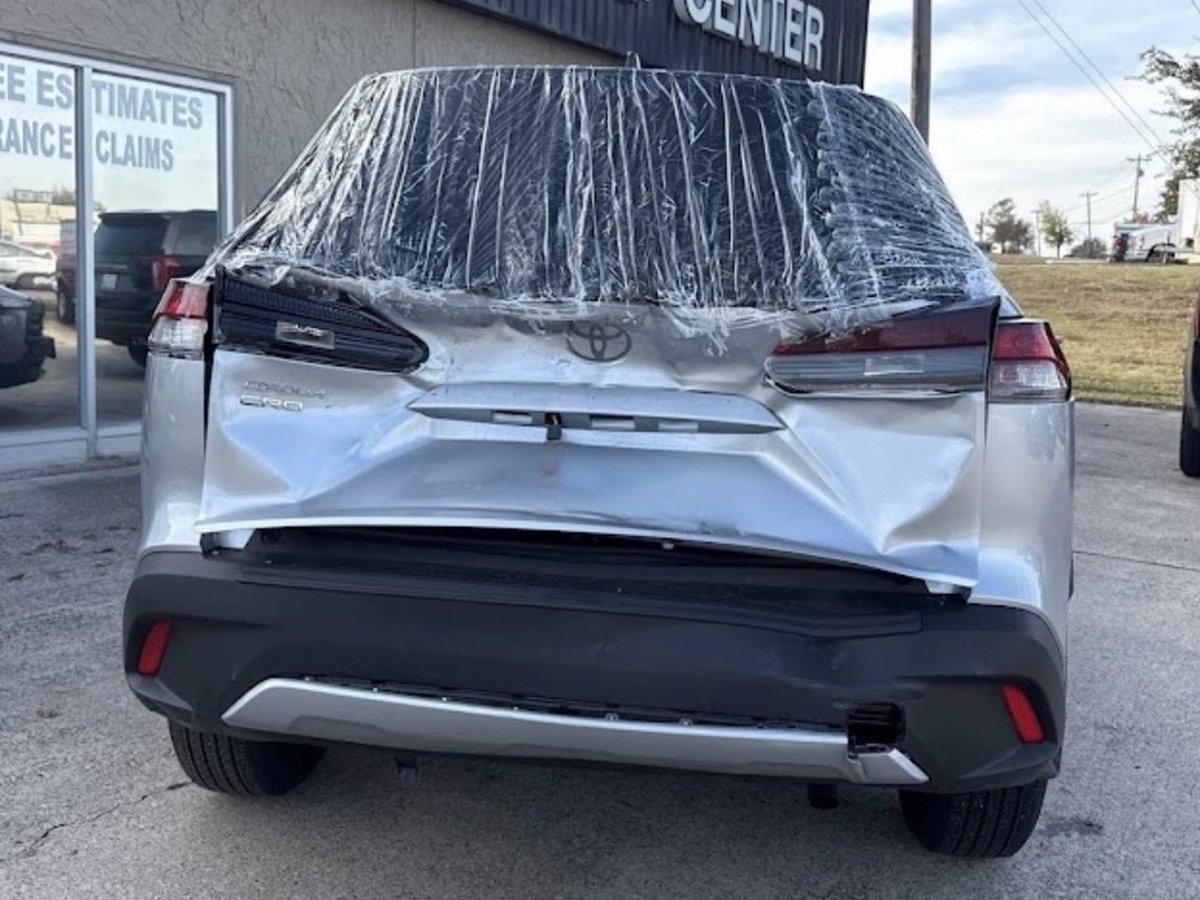
Drag the slider. A rear-ender — the claim category pricing shortchanges most often, torn down, documented, supplemented, and billed direct to the carrier.
 Before
After
Before
After
Rear-End Rebuild — Priced By What Was Actually There
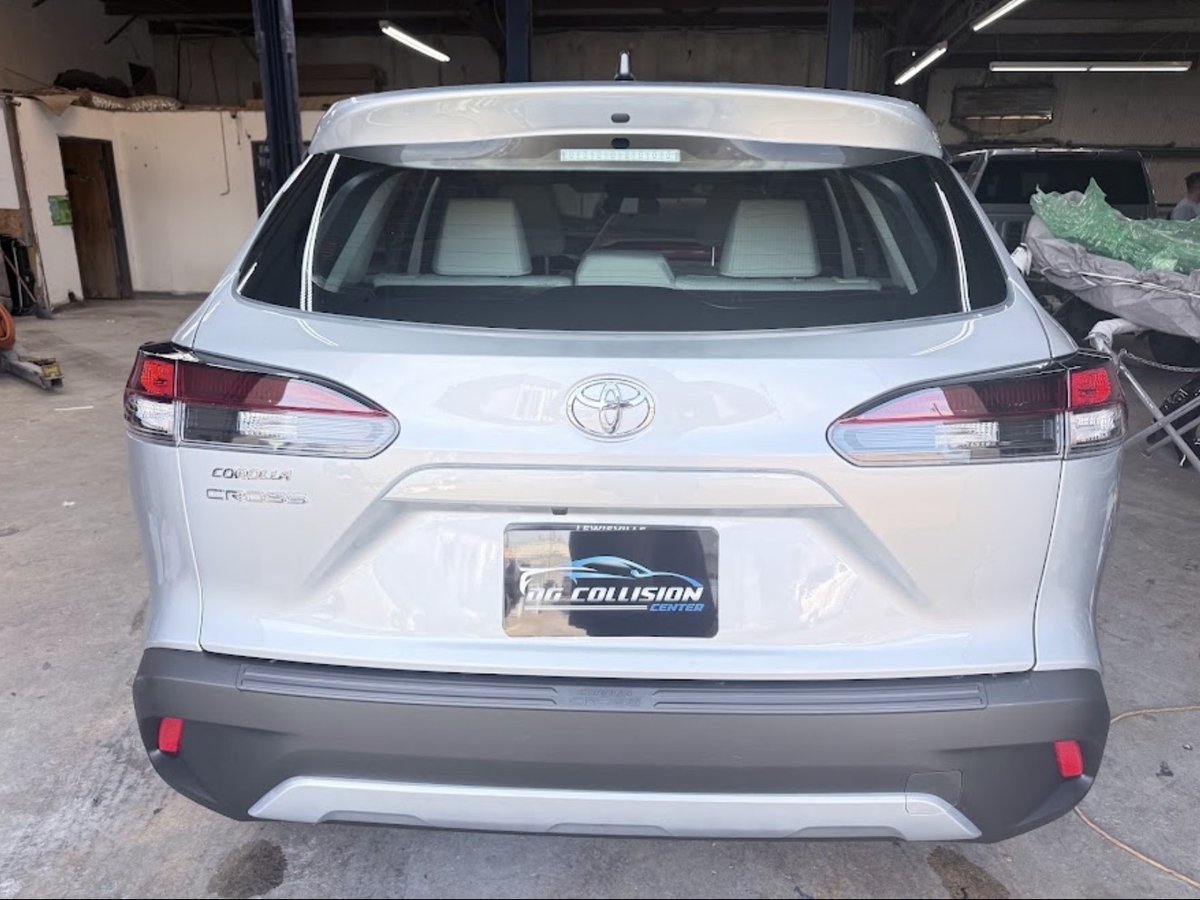
Pictured: a customer’s Toyota Corolla Cross — the everyday rear-ender whose hidden damage a photo estimate never sees; torn down, documented, supplemented, and billed direct to the carrier; the customer paid the deductible, nothing more
Have A Mercury Claim Number Already?
That’s all we need — Mercury County Mutual paper included. Call or text it over with a couple of photos; we’ll schedule drop-off, reserve your free loaner, and run the claim from here.
Common Questions
MERCURY CLAIMS FAQ
Free · No Obligation
START YOUR MERCURY REPAIR
Claim filed or not — tell us what you drive and what happened, and we’ll call back with the real number and next steps.
Prefer to talk now? Call (972) 219-0864 · or text us photos
If the claim fights back: how long an adjuster can take · a denied claim · disputing a total-loss value · your new appraisal rights
Mercury®, Mercury Insurance, and Mercury County Mutual Insurance Company are trademarks of their respective owners within the Mercury General Corporation family of companies. DG Collision Center is an independent repair facility and is not affiliated with, sponsored by, or endorsed by Mercury. References are for factual identification only.