GAINSCO CLAIM? THE LANE STATE FARM WAITED 98 YEARS TO BUY.
Yes — we repair GAINSCO-insured vehicles all the time. Direct billing, supplements documented at teardown, ADAS calibration through our specialist partners, free loaner cars, written lifetime warranty. And if anyone has ever made you feel small for carrying a minimum-limits policy, hand them this: in 98 years of business, the largest auto insurer in the country never bought a single company — until it paid roughly $400 million for GAINSCO, a Dallas specialist in exactly the coverage you carry. Your lane isn’t the industry’s afterthought. It’s the one worth acquiring.
GAINSCO is the non-standard carrier with the industry’s best endorsement: in September 2020, State Farm — the largest auto insurer in the country, which had never acquired a company in its 98-year history — agreed to buy GAINSCO for roughly $400 million (the deal closed December 31, 2020). What it bought is a Dallas specialist in minimum-limits personal auto — the lane most of the industry treats as an afterthought, and the one this page serves without judgment. The name is an acronym: General Agents Insurance Company of America, founded in Fort Worth in 1978 by Joseph Macchia on a borrowed $500,000, with policies riding on MGA Insurance Company paper — same family, same claim, billed identically. GAINSCO still operates as its own company, so your claim runs under the GAINSCO brand, not State Farm’s — our State Farm claims page covers the parent’s side of the house. On a minimum-limits policy the smartest first move is arithmetic, not paperwork: before you file, run the five-minute math — deductible against damage, what liability does and doesn’t cover, whether a third-party route fits — and we’ll run it with you free. When the claim is right, the mechanics are our standard ones: file it, hand us the claim number, and we bill direct — teardown photographed, one comprehensive supplement, genuine parts argued in writing under Insurance Code §1952.301, your out-of-pocket typically your deductible, once. Free loaner from our 50+ fleet, no day limit, written lifetime warranty, Lewisville since 1978.
- The 98-year first — State Farm’s only acquisition in nearly a century of business was a minimum-limits specialist. Your lane is the one the biggest name paid to enter.
- GAINSCO is an acronym — General Agents Insurance Company of America: Fort Worth, 1978, one founder, one borrowed $500,000. Dallas-based today.
- MGA Insurance Company is the paper — same family, same claim; we bill it identically.
- Separate entity, honestly stated — your claim runs under GAINSCO’s brand and machinery, not State Farm’s; the parent has its own page here.
- Run the math before the claim — on minimum-limits paper, five minutes of arithmetic beats a week of paperwork. We’ll do it with you, free, before anything is filed.
- One number out of pocket, typically — your deductible, once; GAINSCO pays the approved balance direct to us.
How GAINSCO Claims Work At An Independent Shop
The mechanics are the ones we run every day: file the claim with GAINSCO, hand us the claim number, and we take it from there. Direct billing, complete teardown documentation, one comprehensive supplement with photos and factory procedures attached, every adjuster conversation handled for you. You typically pay your deductible; GAINSCO pays the approved balance straight to us. Whether your card says GAINSCO or MGA Insurance Company — the family’s underwriting paper — it’s the same claim, and it gets the same treatment here.
But on this carrier, the most valuable thing we do often happens before the claim exists. GAINSCO specializes in minimum-limits coverage — the legal floor, bought on purpose by people watching their budget — and minimum-limits paper rewards a habit most drivers never learn: run the math first. Is the damage clearly past your deductible? Is this a claim for your policy at all, or for the other driver’s? If your coverage is liability-only, what’s the honest cash number? Five minutes of arithmetic routinely saves our customers a filed claim they didn’t need — or points them at the right one. Call or text before you touch the claims portal, and we’ll run it with you, free, no strings.
The background reading lives in our insurance-rates guide, file-or-pay guide, and supplements guide.
The $400 Million Vote Of Confidence, Explained
Start with the fact nobody expects: State Farm — the largest auto insurer in the country — went 98 years without buying a single company. Nearly a century of organic growth, zero acquisitions. Then, in September 2020, it signed its first: GAINSCO, for roughly $400 million, closed December 31, 2020. Not a tech startup, not a luxury brand — a Dallas company whose specialty is minimum-limits personal auto. Read that as a driver in this lane: the coverage the industry markets past, the policies quoted with a sigh at some agencies, turned out to be the market the biggest name in insurance considered worth its once-a-century move. There’s no shame in the legal floor. There’s a $400 million receipt saying so.
The company under the acronym: GAINSCO is short for General Agents Insurance Company of America — founded in Fort Worth in 1978 (the same year this shop opened) by Joseph Macchia, on $500,000 borrowed from a bank. Today it’s based in Dallas, and its policies ride on MGA Insurance Company paper — an entity FAQ answers below. One honesty note about the ownership: GAINSCO continues to operate as a separate company, so your claim runs through GAINSCO’s own adjusters and machinery, under its own brand — being owned by State Farm doesn’t reroute your file to a State Farm desk. The parent’s side of the house has its own page here: our State Farm claims page.
The rights that don’t shrink: §1952.301 applies to every auto policy written in Texas — shop choice is yours, and no insurer can limit coverage by the brand, type, kind, age, vendor, supplier, or condition of parts. Minimum limits set what your policy pays for other people; they set nothing about who repairs your car or how well. If an adjuster leans on your choice, our shop-choice guide has the exact scripts.
Your GAINSCO Claim, Step By Step
The stage that decides a GAINSCO claim is #1 — and specifically the half of it that happens before anything is filed. On full-coverage policies a wrong first move costs patience; on minimum-limits paper it can cost real money — a claim filed against your own policy when the other driver’s should pay, a comprehensive claim for damage that never clears the deductible, a liability-only policy asked to do a job it was never built for. Five minutes of arithmetic sorts all of it, which is why our claim table starts with math instead of paperwork. The mechanics live in our file-or-pay guide and on the collision repair page.
Real Results
FILED RIGHT, REBUILT COMPLETELY
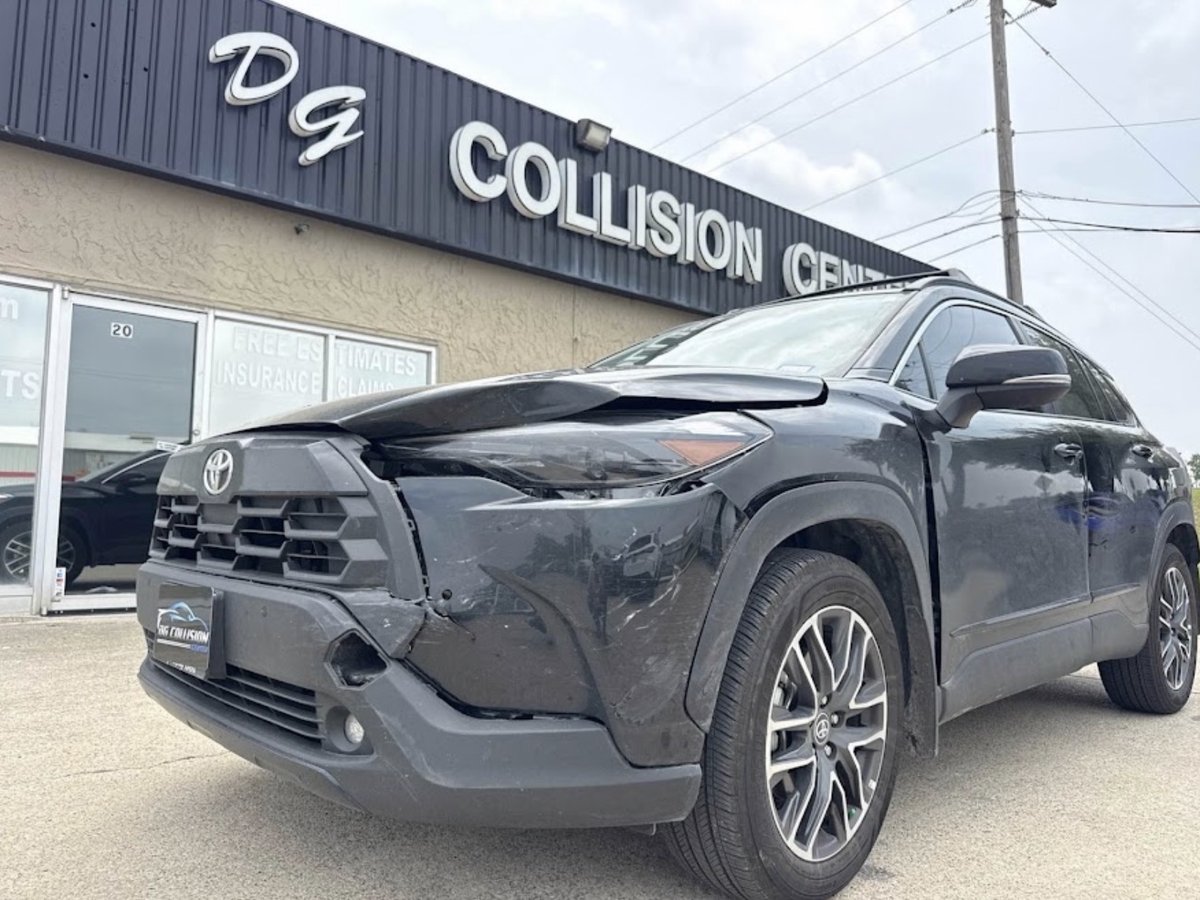
Drag the slider. A commuter crossover’s front end — claim math checked first, then torn down, documented, supplemented, and billed direct to the carrier.
 Before
After
Before
After
Front-End Rebuild — Worth Filing, Done Completely
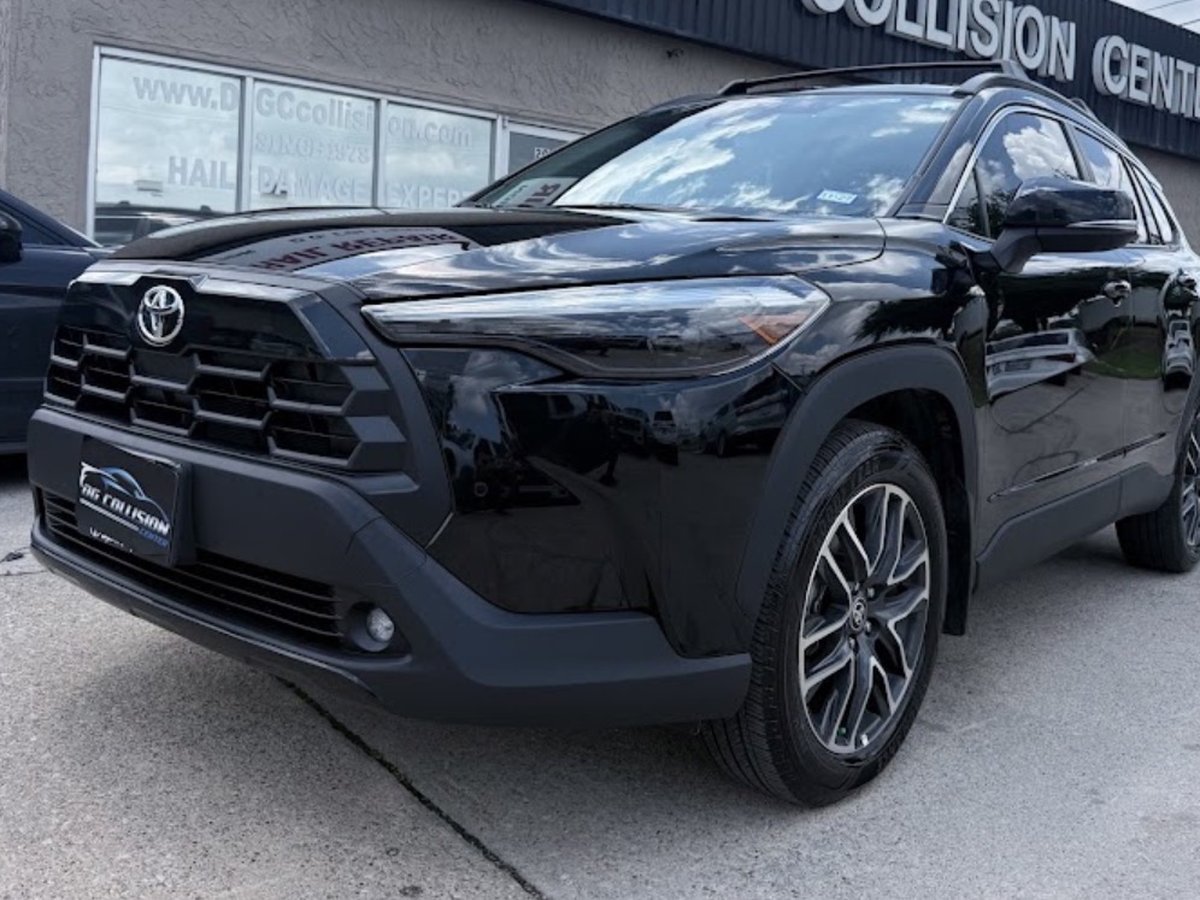
Pictured: a customer’s Toyota RAV4 — the everyday front-end claim that clears the math easily; torn down, documented, supplemented, and billed direct to the carrier; the customer paid the deductible, nothing more
Not Sure Your Damage Is Even Worth A Claim?
That’s exactly the call to make first. Text us two photos and your deductible, and we’ll give you the honest arithmetic in minutes — file, don’t file, or point it at the other driver’s carrier. Free either way, before anything touches your record.
Common Questions
GAINSCO CLAIMS FAQ
Free · No Obligation
START YOUR GAINSCO REPAIR
Claim filed or not — tell us what you drive and what happened, and we’ll call back with the real number and next steps.
Prefer to talk now? Call (972) 219-0864 · or text us photos
If the claim fights back: how long an adjuster can take · a denied claim · disputing a total-loss value · your new appraisal rights
GAINSCO® and MGA Insurance Company are trademarks of their respective owners; State Farm® is a trademark of State Farm Mutual Automobile Insurance Company, GAINSCO’s parent since December 2020. DG Collision Center is an independent repair facility and is not affiliated with, sponsored by, or endorsed by GAINSCO or State Farm. References are for factual identification only.